
Blue-Green Algae Poisoning in Dogs: Protecting Your Cypress Pet
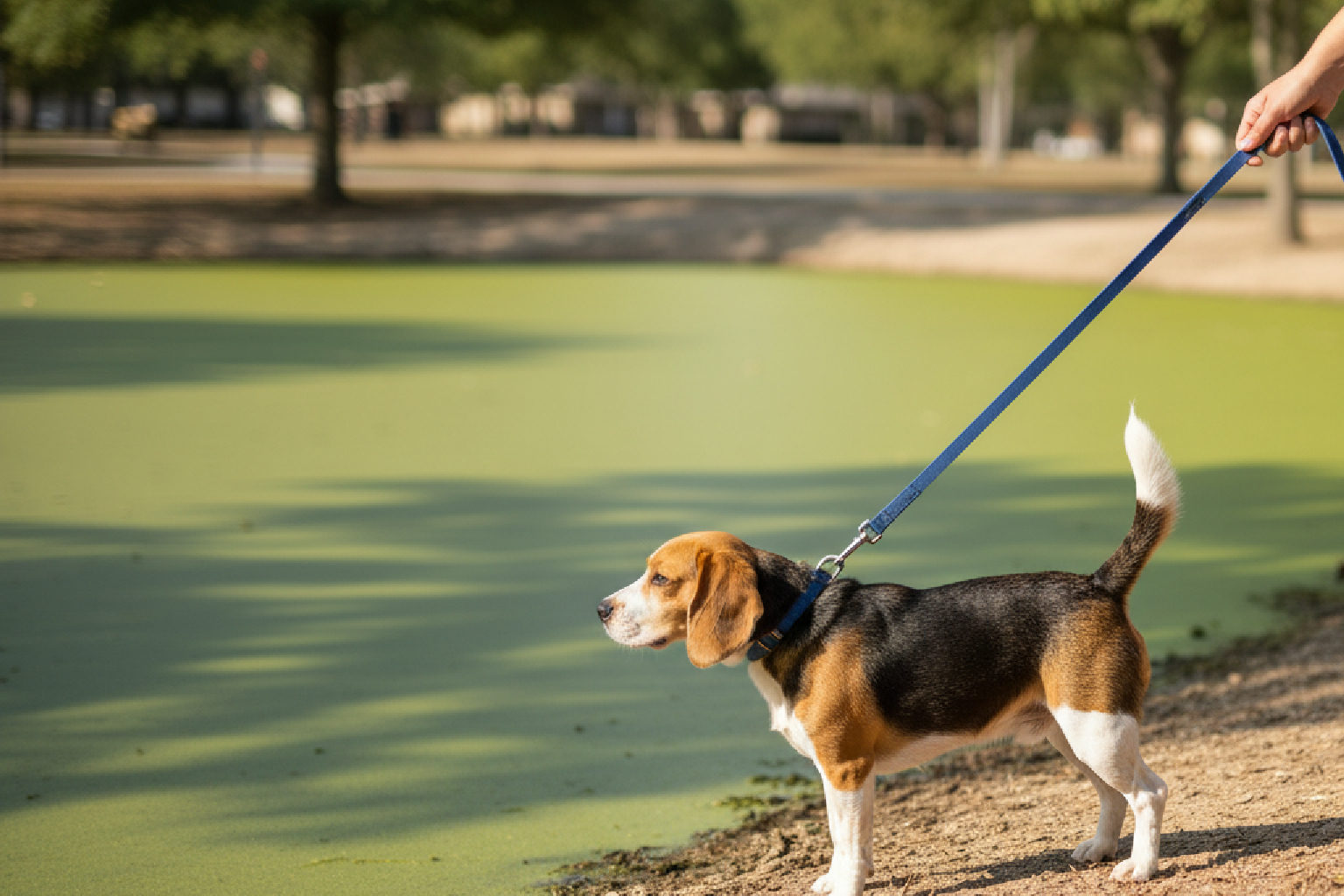
Every summer, I dread the calls that start with "My dog was swimming in a pond and now he's vomiting and can't stand up." Here in Cypress, TX, we're surrounded by retention ponds, lakes, and bayous—and when temperatures climb, so does the risk of blue-green algae poisoning. At Hearthstone Animal Clinic, I've seen cases that ended well because owners acted fast, and I've seen heartbreaking outcomes when the exposure was too severe. This is one of those topics where what you don't know absolutely can hurt your dog.
What Exactly Is Blue-Green Algae?
Blue-green algae (technically called cyanobacteria) aren't actually algae at all—they're bacteria that photosynthesize like plants. They thrive in warm, stagnant, nutrient-rich water, which describes about half the retention ponds and slow-moving bayous in the greater Houston area during summer.
The danger isn't the bacteria themselves—it's the cyanotoxins they produce. These toxins fall into several categories:
- Microcystins – attack the liver, causing rapid liver failure
- Anatoxins – affect the nervous system, can cause death within minutes to hours
- Cylindrospermopsins – damage the liver, kidneys, and other organs
The terrifying part? You can't tell by looking at water whether the algae present are producing toxins. A bloom that was safe yesterday can turn deadly today.
What Does Blue-Green Algae Look Like in Ponds and Lakes?
Here's what I tell my clients to watch for:
Classic Warning Signs in the Water
- Bright green, blue-green, or brownish-red "scum" floating on the surface
- Water that looks like pea soup or spilled green paint
- Foam or thick mats along the shoreline
- A musty, earthy, or "swampy" smell stronger than normal
- Dead fish or birds near the water's edge
When It's Hardest to Spot
Not all toxic blooms look dramatic. Sometimes the water just appears slightly murky or has a faint greenish tint. Wind can push algae to one side of a pond, so the area where your dog jumps in might look clear while a toxic concentration lurks twenty feet away. When in doubt, keep your dog out.
How Do Dogs Get Poisoned by Blue-Green Algae?
Dogs are at higher risk than humans for a few reasons:
- They drink the water while swimming—even a few gulps can be lethal
- They lick their fur afterward, ingesting toxins that clung to their coat
- They're often in the water longer than we are, especially retrievers and water-loving breeds
I had a Beagle in here two summers ago whose owner did everything right—saw the dog drink from a pond at a local park, noticed the greenish tint, and had the dog in my exam room within 45 minutes. That quick action saved her dog's life. But I've also had cases where owners didn't realize there was exposure until symptoms appeared hours later, and by then, the liver damage was already catastrophic.
What Are the Symptoms of Blue-Green Algae Poisoning in Dogs?
Symptoms can appear within 15 minutes to several hours after exposure, depending on the type and amount of toxin. This is a true emergency—there's no antidote, and treatment is purely supportive.
Early Warning Signs
- Vomiting (often the first sign)
- Diarrhea (may be bloody)
- Excessive drooling
- Weakness or lethargy
- Loss of appetite
Severe/Advanced Symptoms
- Stumbling, disorientation, or collapse
- Difficulty breathing
- Seizures or muscle tremors
- Pale, yellow, or gray gums (indicating liver failure)
- Coma
If your dog was in or near stagnant water and shows any of these symptoms, don't wait. Get your pet seen the same day—or go to the nearest emergency clinic if it's after hours. Time matters more with this toxin than almost anything else I treat.
Can Blue-Green Algae Poisoning in Dogs Be Treated?
I'll be honest with you: there is no antidote for cyanotoxins. Treatment focuses on decontamination (if we catch it early enough) and aggressive supportive care.
What We Do at the Clinic
- Induce vomiting—only if the dog was exposed very recently and isn't already showing neurological signs
- Activated charcoal—to help absorb toxins in the GI tract
- IV fluids—to support blood pressure and kidney function
- Liver protectants—medications like SAMe or milk thistle extracts
- Anti-seizure medications—if neurological symptoms develop
- Oxygen support and monitoring—for respiratory distress
Survival rates depend heavily on how much toxin was ingested and how quickly treatment begins. Dogs who receive care within 30-60 minutes of exposure have a much better prognosis than those who don't get help for several hours. According to the American Veterinary Medical Association, even with aggressive treatment, blue-green algae poisoning can be fatal—which is why prevention is everything.
How Can I Protect My Dog from Blue-Green Algae in Cypress?
Prevention is straightforward, even if it means disappointing your water-loving dog:
Before You Let Your Dog Swim
- Check the water visually—any green scum, discoloration, or foam means no swimming
- Look for posted warnings—many parks will post signs during active blooms
- Avoid stagnant water entirely in peak summer—retention ponds, slow-moving creeks, and small lakes are highest risk
- Check local advisories—the Texas Commission on Environmental Quality monitors blooms statewide
If Your Dog Does Get in Questionable Water
- Rinse them immediately—use clean water and don't let them lick their fur
- Watch closely for 24 hours—symptoms can be delayed
- Call us or your emergency vet at the first sign of vomiting, weakness, or disorientation
I know it's hard when your Lab or Retriever is desperate to jump into every body of water you pass. But a hot summer day isn't worth the risk when the water looks off. Stick to pools, water hoses, or lakes with clear, moving water and no visible algae.
When to Call Your Cypress Veterinarian Immediately
Call us or head to an emergency clinic right away if:
- Your dog drank from or swam in water with visible algae
- Your dog is vomiting, weak, or disoriented after being near any pond or lake
- You see any neurological signs—stumbling, tremors, or seizures
- Your dog's gums look pale, yellow, or grayish
Don't wait to "see if it gets worse." With blue-green algae toxins, worse can mean fatal within hours. If you're dealing with seasonal allergies or other summer issues with your pup, those can wait for a regular appointment. This cannot.
Keep Your Dog Safe This Summer
Blue-green algae poisoning is one of the scariest emergencies I see because it moves so fast and there's so little we can do once severe symptoms start. The good news? It's almost entirely preventable. Keep your dog out of stagnant, discolored, or smelly water—especially during the hot months when blooms are most common.
If you have questions about local water safety, want to discuss summer hazards for your specific dog, or—heaven forbid—think your pet may have been exposed to contaminated water, schedule a visit at Hearthstone Animal Clinic or call us immediately at (281) 859-9244. We're here for Cypress pet owners when it matters most, and with this particular danger, every minute counts.
Have a question about your pet?
Dr. Pelton and the Hearthstone team are here to help, the same day when it counts.
Get Your Pet Seen