
The Hearthstone Pet Care Resource Center
This is where I keep the things owners ask for most: the forms you'll need before a visit, the books I've written, care guides you can read at home, and a couple of tools for the nights you're not sure how worried to be.
 Care Guides
 Symptom Checker
 Client Forms
 Dr. Pelton's Books
Before you come in
Client forms
Fill these out at home and you'll spend less of your visit holding a clipboard.
Published author
Dr. Pelton wrote the book. Five of them, actually.
Answering the same good questions in the exam room since 2000 adds up. All five are on Amazon, and he's working on more.
Kindle · New
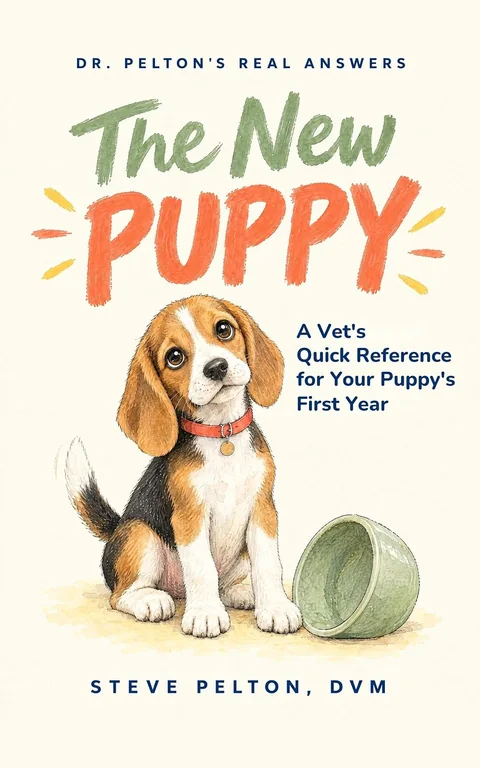
The New Puppy
A vet's quick reference for your puppy's first year
Everything I go over at puppy visits, in one place you can flip open at 2 a.m.: what's normal at each age, why the shots come in a series, potty and crate training, and when something needs a call. Quick answers up front, the whole why if you want it.
See it on Amazon →Free tools and guides at newpuppy.vet
Kindle · Paperback · Free with Kindle Unlimited
The Itchy Dog
Why is my dog so itchy? A vet's real answers on what actually works
The licking, the chewing, the ears that keep coming back. It's everything I explain about itchy dogs in the exam room, with time to actually read it: what's driving the itch, which treatments are worth the money, and how to keep a flare from turning into a skin infection.
See it on Amazon →Free printables and extras
Kindle · Paperback · Free with Kindle Unlimited
The Itchy Dog Quick Guide
What to watch, what to do, and when to call your vet, in pictures
The short version of The Itchy Dog, mostly pictures. What to watch for, what to try first, and when it's time to call your vet, on pages you can get through in a few minutes.
See it on Amazon →Free printables and extras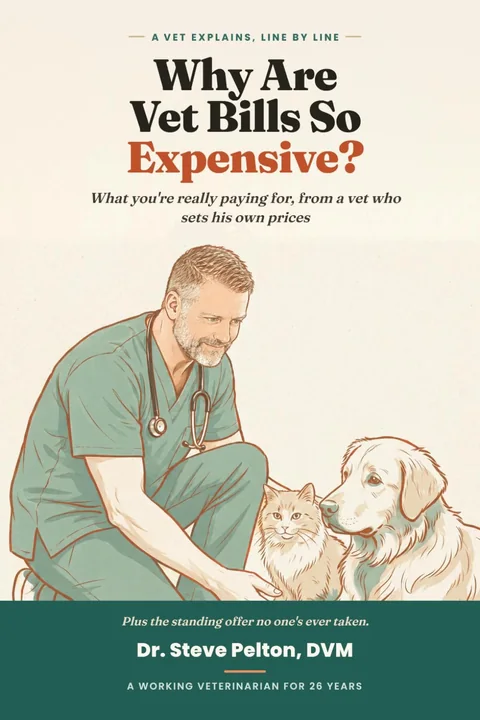
Paperback · Kindle · Free with Kindle Unlimited
Why Are Vet Bills So Expensive?
What you're really paying for, from a vet who sets his own prices
Where the money on a vet bill actually goes, what's essential versus optional, and how to have a straight money conversation with any vet, not just us.
See it on Amazon →Free companion toolkit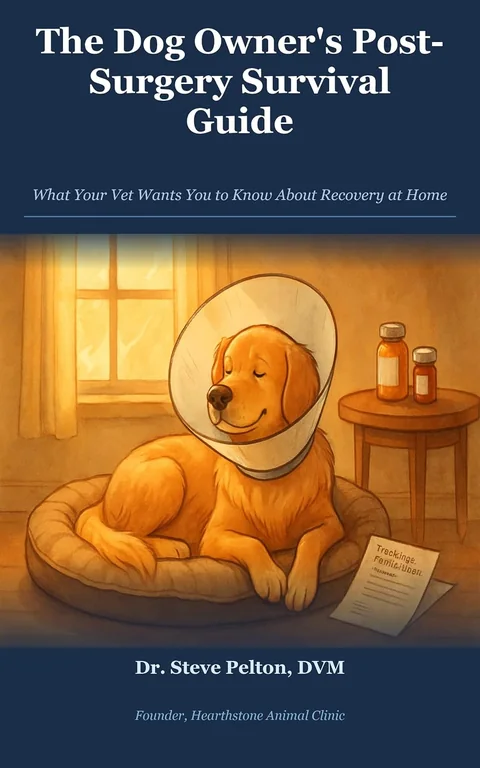
Kindle · Paperback · Free with Kindle Unlimited
The Dog Owner's Post-Surgery Survival Guide
What your vet wants you to know about recovery at home
The recovery stuff that's hard to remember on the drive home: caring for the incision, what normal healing looks like, and the signs that mean you should call us right away.
See it on Amazon →At-home care
What to watch at home
You see your pet every day. I don't.
I see your pet for a short visit now and then. You're there every day, so you're the one who'll notice a problem first. You don't need training for that. You just need to know what normal looks like for your pet, and to say something when it changes.
- A short list to run through each day
- The signs that mean a pet needs to be seen
- No equipment or medical background needed


A quick daily check
Four things worth a glance every day. Once you know your pet's normal, you'll notice the day something's off.
- Energy level and appetite
- Eyes, ears, and nose
- Breathing and mobility
- Skin and coat condition

Signs your pet needs to be seen
Any of these means it's time to get your pet looked at. Trouble breathing can't wait, so go straight to an emergency hospital for that one.
- Not eating for 24 hours or more
- Trouble breathing
- Wiped out or not acting like themselves
- Vomiting or diarrhea that keeps going
Care guides
Care guides, sorted by topic
Read up before you need it
We've sorted our care guides by topic so you can find what you need without digging. They're good for the questions you think of after you've left the exam room. A guide can't examine your pet, though, so if something seems wrong, let's get them in.
- Seven topics, from nutrition to first aid
- Each card opens the full guide
- Good background for your next visit
 Wellness
Pet wellness tips
The everyday basics: exercise, what healthy looks like, and what changes as a pet gets older.
- Featured articles
- Daily Exercise Requirements for Dogs
- Signs of a Healthy Cat
- Senior Pet Care Guidelines
NutritionNutrition guide
How to pick a food, how much to feed, and what to do when your pet needs a special diet.
- Featured articles
- Choosing the Right Pet Food
- Healthy Treats and Portions
- Special Dietary Requirements
PreventionPreventive care
Vaccines, flea and tick prevention, and dental care at home. The routine stuff that heads off bigger problems later.
- Featured articles
- Vaccination Schedules
- Flea and Tick Prevention
- Dental Care at Home
BehaviorBehavior and training
House training a puppy, making sense of what your cat is doing, and getting a young pet used to the world.
- Featured articles
- House Training Your Puppy
- Understanding Cat Behavior
- Socialization Tips
EmergencyEmergency preparedness
What to have ready before something goes wrong, and how to plan for your pet in a disaster.
- Featured articles
- Pet First Aid Basics
- Emergency Kit Checklist
- When to Call the Vet
EmergencyPet first aid
Step-by-step first aid with pictures, for the drive to the ER, plus a kit checklist you can print.
- Featured articles
- Bleeding, Burns and Snakebite
- Choking and Pet CPR
- Heatstroke and Seizures
SeasonalSeasonal care
Summer heat, the few cold snaps we get, and the holidays. What to watch for each time of year.
- Featured articles
- Summer Heat Safety
- Winter Weather Protection
- Holiday Safety Tips
From the blog
New on the blog
Recent posts on seasonal problems around Cypress, medications, and the questions owners ask most.

Hypertrophic Cardiomyopathy in Cats: The Heart Disease That Strikes Without Warning
HCM is the most common heart disease in cats and can affect young, healthy-looking cats. Learn the signs, which breeds are at risk, and when your cat needs screening.
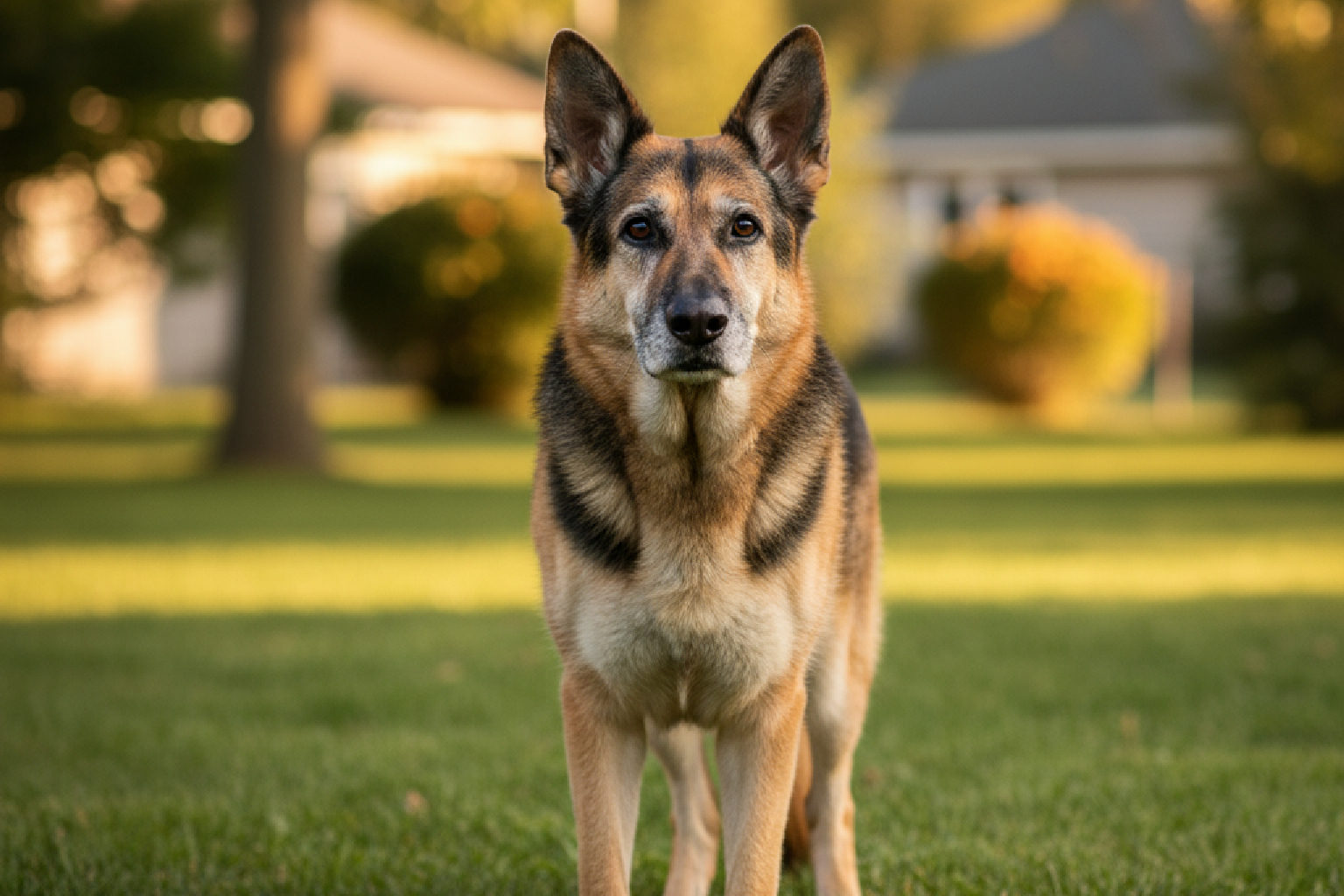
Degenerative Myelopathy in Dogs: Why Your Dog's Back Legs Are Getting Weak
Degenerative myelopathy causes progressive hind leg weakness in older dogs. Learn the signs, how vets diagnose it, and what you can do to help your dog stay mobile longer.

Dry Eye in Dogs: Why Your Dog's Eyes Look Red and Goopy
Dry eye (KCS) in dogs causes red, irritated eyes with thick discharge. Learn what causes it, how vets diagnose it, and why lifelong treatment matters.
Not sure how worried to be?
A symptom checker for the in-between cases
Tell it what's going on with your pet, and it helps you decide how soon they need to be seen.
What it does, and what it doesn't
It's an AI tool I've been building, and it's still an experiment. You describe what you're seeing, it asks a few follow-up questions, and it gives you a read on how soon your pet should be seen. It isn't a diagnosis and it doesn't replace an exam. If your pet is struggling to breathe, has collapsed, or you're scared, skip the tool and go straight to an emergency hospital. I recommend Veterinary Emergency Group.
It's AI, not a vet
It can't put hands on your pet, so treat its answer as a starting point.
There when we're closed
It's on the website day and night, for the questions that come up after hours.
A next step, not a diagnosis
ER now, a visit soon, or watch at home. That's the question it helps with.
For a true emergency, skip this and go straight to an emergency hospital.
