
Preparing Your Pet for Surgery
Everything you need for a safe, successful surgery, from traditional soft-tissue procedures to a minimally invasive laparoscopic spay for female dogs 30 lb and up. Below: how to prepare, what to expect on the day, and recovery care.
Morning drop-offHome the same day, never overnightOne doctor, start to finish
Reviewed by Dr. Steve Pelton, DVM · 26 years in practice
Honest about what we do
Surgeries we do (and don't) perform
Transparency about our surgical capabilities helps you understand what we handle in-house versus when we refer to trusted specialist partners.
Soft-tissue & routine procedures
Procedures we perform regularly for dogs and cats, with high proficiency and strong safety protocols.
- Spays & neuters, every size
Male neuters at any size, and we spay female dogs of every size in-house, including large breeds. Cats and dogs up to 50 lb get a traditional spay. Over 50 lb we use the minimally invasive laparoscopic spay, performed here by Dr. Pelton, with no upper weight limit. The laparoscopic approach does have a lower limit of 30 lb, since a small abdomen has no room for the camera and instruments. (Laparoscopic spay is for females only; male dogs are neutered, not spayed.) - Feline declaws
Surgical removal of front claws with multimodal pain control. - Exploratory laparotomy
Abdominal exploration for foreign bodies or internal issues. - Mass & tumor removals
Skin, subcutaneous, and intra-abdominal growths. - Dentistry (routine)
Cleanings and extractions that do not require dental X-rays. - Minor tail amputations
Trauma or "happy tail" injuries. - Front-leg amputations
Cancer, severe trauma, or congenital deformity. - Splenectomy
Surgical removal of the spleen when medically indicated.
Procedures we refer to specialists
Complex procedures that need specialized equipment or advanced surgical training go to board-certified surgeons.
- Orthopedic surgeries
Cruciate (TPLO, TTA), fracture repair, hip or elbow procedures. - Complex dental surgeries
Any case requiring dental radiographs (we do not have dental X-ray equipment). - Advanced imaging surgeries
CT, MRI, fluoroscopy, or intra-operative endoscopy requirements.
We keep close relationships with local specialty hospitals so your pet gets gold-standard care when an advanced procedure is needed.
Why this matters for you and your pet

Transparency
You'll know immediately whether we can help in-house or whether your pet would be safer with a specialty surgeon.

Safety first
By focusing on procedures we perform every week, we keep high proficiency, proper instrumentation, and optimal anesthesia protocols.

Continuity of care
Even when we refer, we coordinate records, imaging, and post-op follow-up so you always have a single point of contact.
Before the day
Pre-surgery checklist
- No food after 9 PM the night before surgery
- Water is okay to leave out
- Bring current medications your pet is taking
- Fill out surgery sheet beforehand
- Bring a comfort item (blanket or toy) for your pet
- Consider ordering an e-collar or recovery suit for post-surgery
The day of
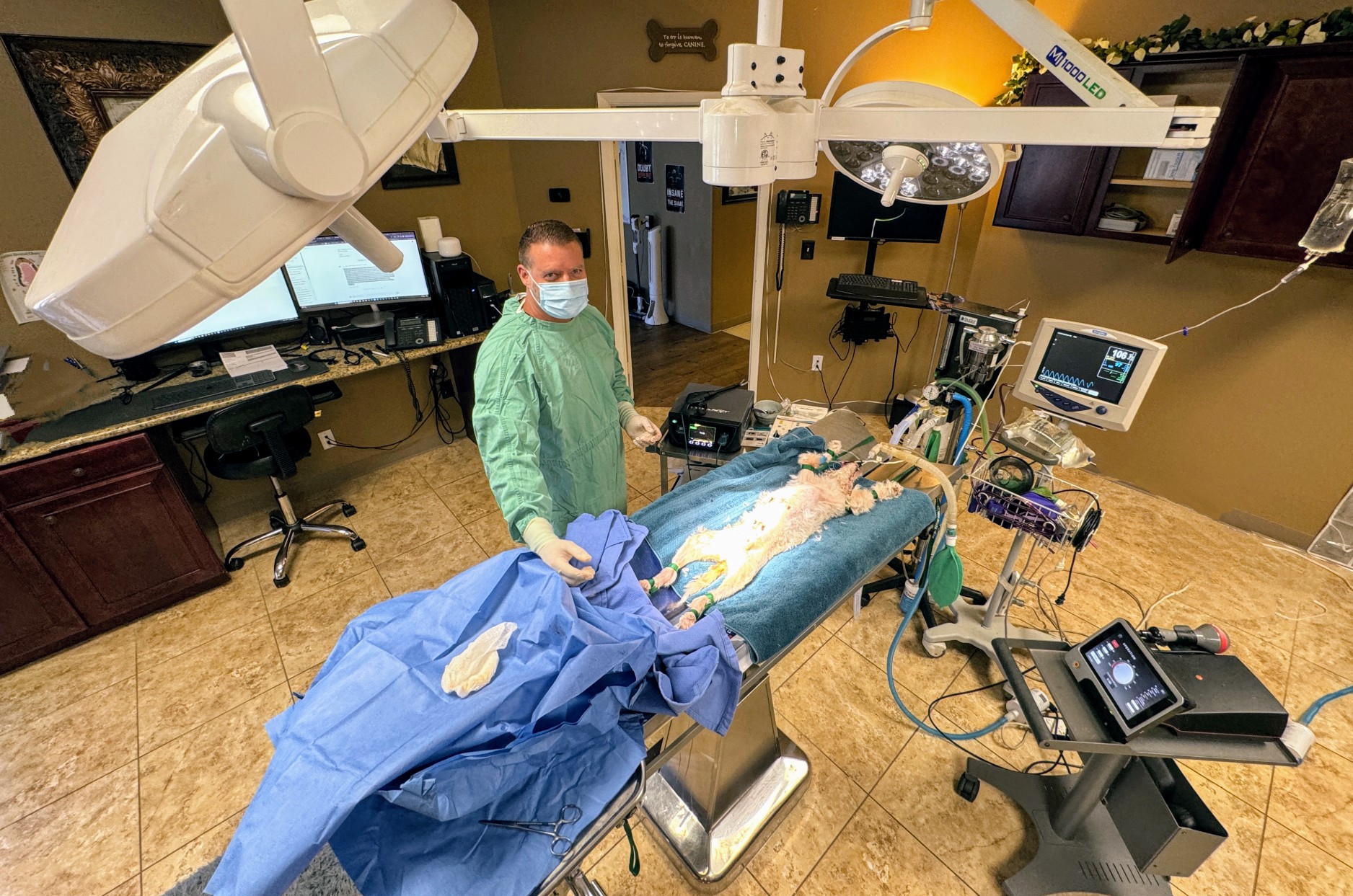
Day of surgery
Here's what to expect when you bring your pet in.

Morning drop-off
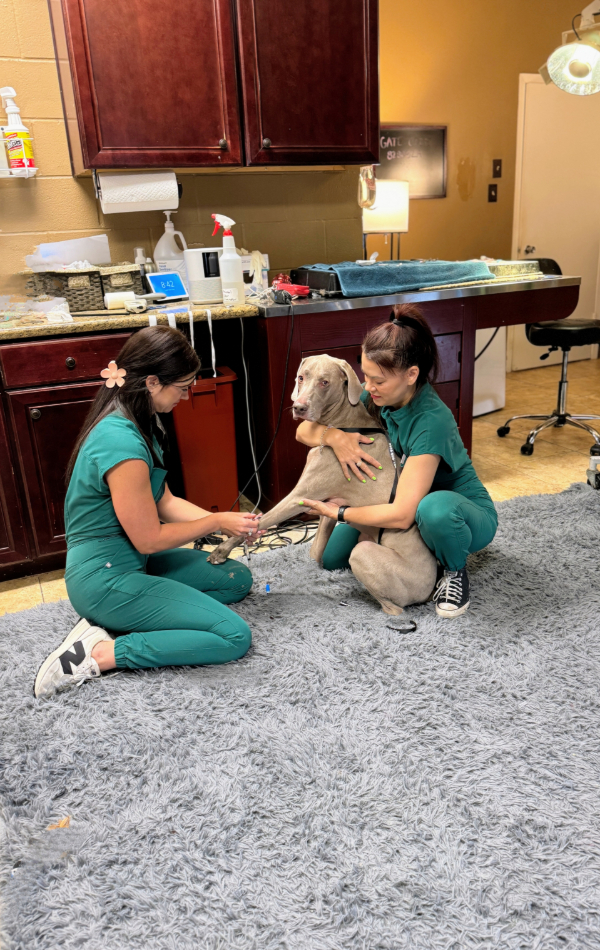
Bring your pet in between 7am and 9am. We'll review the surgical plan and answer any last-minute questions.
Pre-surgical exam
Dr. Pelton performs a final examination and may recommend pre-surgical blood work if not already completed.

Home the same day
We'll call you with updates during the procedure and when your pet is awake and ready to go home — always the same day, never an overnight stay.
Recovery
Post-operative care
Proper home care is essential for healing.
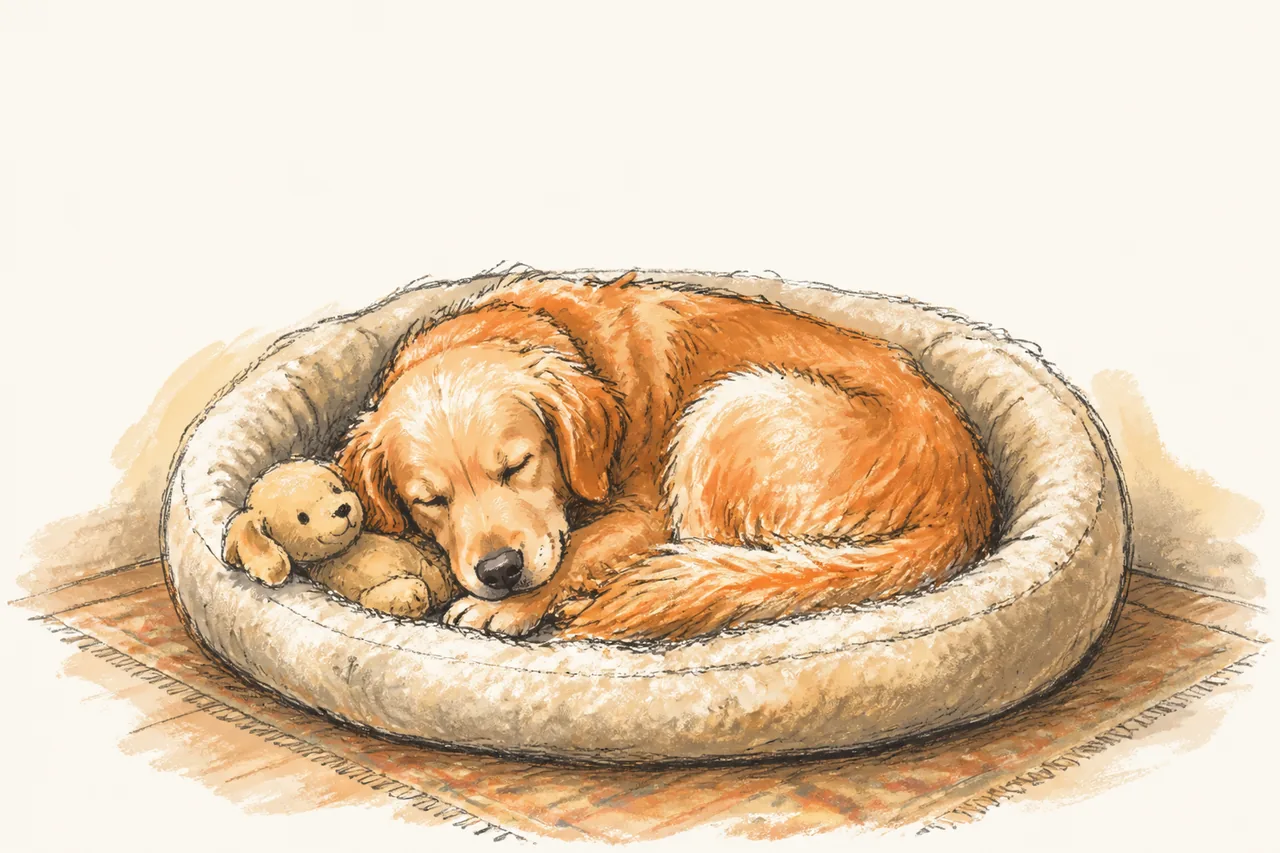
Your pet comes home with you the evening of surgery. A quiet, cozy spot to rest — and a watchful eye from you — does the rest of the healing.
First 24 hours
Keep your pet quiet and comfortable. Limit activity and provide a warm, quiet space for recovery.

Monitor the incision
Check the surgical site daily for swelling, discharge, or excessive redness. Keep the area clean and dry.

Pain management
Give prescribed pain medications as directed. Never give human pain relievers to your pet.

Activity restriction
Follow activity restrictions for 10-14 days. No running, jumping, or swimming until cleared by the vet.
When to call us immediately
Contact us right away if you notice any of these warning signs after surgery.
- Excessive bleeding or discharge from the incision
- Vomiting or diarrhea that persists
- Loss of appetite for more than 24 hours
- Difficulty breathing or excessive panting
- Lethargy that doesn't improve after 24 hours
- Signs of pain or distress
Common questions
Frequently asked questions
When will my pet be ready for pickup?
Your pet goes home the same day — we never keep surgery patients overnight. Most are ready for pickup after 1pm or 2pm at the latest, and we'll call you the moment your pet is awake and ready to go home.
Will my pet be in pain?
We provide comprehensive pain management before, during, and after surgery. Your pet will receive appropriate pain medication to keep them comfortable.
When can my pet eat after surgery?
Offer a small amount of water 2-4 hours after returning home. If no vomiting occurs, offer a small meal 4-6 hours post-surgery.
When should I schedule a follow-up?
We typically schedule a recheck exam to monitor healing. Suture removal is usually 10 days post-op.
Ready to schedule your pet's surgery?
Our team is here to provide high-quality surgical care. Contact us to discuss your pet's needs and schedule a consultation.