
Caring for Your Senior Pet: Tips and Early Screening
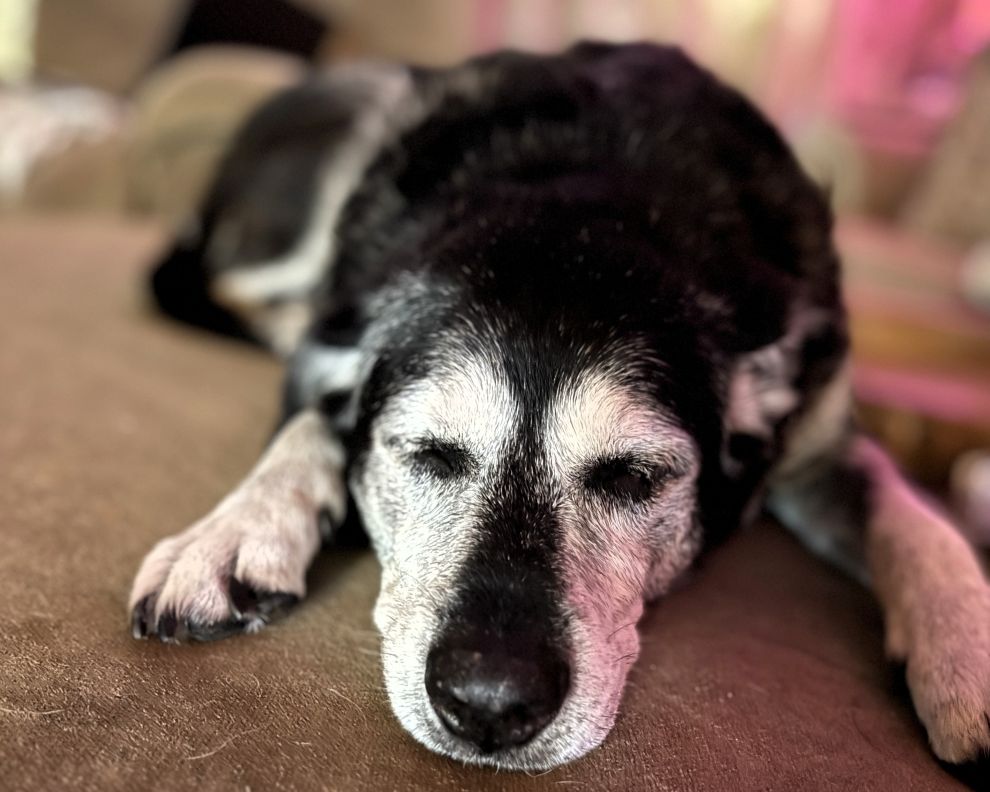
🐾 Caring for Your Senior Pet: Tips, Early Screening & Loving Their Golden Years
Aging is a natural part of life—for pets and people. As our dogs and cats grow older, they enter a new life stage that deserves just as much attention, love, and care as their energetic youth. With a little planning and proactive care, you can help your senior pet live comfortably, happily, and healthfully for many years to come.
Whether your dog is slowing down on walks or your cat is sleeping more than usual, this guide will walk you through what to watch for, what to prioritize, and how to support your aging companion.
🧠 What Is a Senior Pet?
The term "senior" varies by species and breed:
- Small dogs & cats: typically considered seniors around 7 years old
- Larger dog breeds: may become seniors as early as 5–6 years old
- Giant breeds (like Great Danes): often show senior signs by 4–5 years old
Breed, genetics, and health history all influence how your pet ages. At Hearthstone, we tailor care plans to the individual—because every pet is different.
🩺 Why Early Screening Matters
Just like human medicine, early detection is key. Many age-related conditions start subtly, and routine senior wellness exams help us catch problems before they become serious (or expensive).
Conditions we often detect early with screenings:
- Kidney disease
- Liver disease
- Thyroid imbalances (hypothyroidism in dogs, hyperthyroidism in cats)
- Diabetes
- Arthritis and mobility decline
- Dental disease
- Cancerous lumps or bumps
At Hearthstone, we recommend twice-a-year checkups for pets over 7. These visits often include:
- Senior bloodwork panels
- Urinalysis
- Weight and body condition monitoring
- Mobility and pain assessments
- Dental evaluations
- Behavior and cognitive function screening
✨ Pro Tip: Changes in appetite, water intake, or litter box habits can be early signs of bigger issues. Don’t wait—bring it up at your next visit!
🍗 Nutrition for Aging Pets
Senior pets have different metabolic needs. They may require:
- Fewer calories (if they’re less active)
- More joint-supportive ingredients (like omega-3s, glucosamine, or chondroitin)
- Easily digestible proteins (to maintain lean muscle)
- Kidney- or liver-friendly diets (if lab work shows early organ changes)
We’re happy to recommend specific diets—whether you feed dry, wet, raw, or home-cooked meals.
🧼 Grooming & Hygiene
Older pets may struggle to groom themselves. Cats especially may get matted in hard-to-reach spots. Keep up with:
- Regular brushing
- Nail trims (less active pets don’t wear their nails down as much!)
- Ear cleaning
- Checking for growths or skin changes
And yes—senior pets can still get fleas, allergies, and skin infections! Keep up with prevention and don’t hesitate to ask us if your pet seems itchy, red, or irritated.
🚶♂️ Gentle Exercise & Mobility Support
Movement keeps joints lubricated, muscles strong, and minds sharp.
Ideas for senior pet-friendly activity:
- Short, frequent walks on softer ground (avoid long concrete hikes)
- Swimming or water therapy
- Indoor toy play (for cats, try food puzzles or feather toys)
- Stretching or gentle range-of-motion exercises
- Non-slip rugs to help with balance on slippery floors
✨ Good to Know: There are many tools now for senior mobility, including ramps, supportive harnesses, and joint supplements. We can help guide you based on your pet’s condition.
🧠 Cognitive Health: Is It Doggie Alzheimer’s?
Cognitive decline, also called Canine Cognitive Dysfunction (CCD) or Feline Cognitive Dysfunction, affects many older pets. Symptoms may include:
- Disorientation/confusion
- Pacing or restlessness at night
- Forgetting routines (e.g., where the food bowl is)
- House soiling in previously trained pets
- Increased anxiety or vocalization
There are treatments—nutritional supplements, medications, and even prescription diets designed to support brain health. Ask us if your pet’s behavior has changed with age.
❤️ Heartwarming Truths About Senior Pets
They might not race around the yard like they used to, but senior pets offer something even better—calm companionship, quiet loyalty, and quirky, wise personalities.
Some fun facts:
- Senior dogs tend to bond even more closely with their people.
- Many older cats become more cuddly and people-focused.
- Senior pets are often ideal for homes with quieter lifestyles.
- Despite slower movements, many still love toys, treats, and car rides.
🧡 Saying Yes to Quality Time
As pets age, quality of life becomes a daily focus. Spend more time together. Sit in the sun. Share your snacks. Capture those little moments in photos and videos—they’ll mean more than you know.
Even simple things—like gentle massages, grooming sessions, or just curling up on the couch—can be deeply meaningful for your pet.
🏥 When to Ask for Help
You know your pet best. But we’re here when something feels “off.”
Signs that warrant a vet visit:
- Sudden weight change
- Increased drinking or urination
- Bad breath or reluctance to eat
- Trouble standing or walking
- Confusion or “spacing out”
- Any new lumps or bumps
- Increased panting or coughing
Sometimes, end-of-life planning becomes part of the conversation. We approach that with deep compassion and honesty—always focused on minimizing suffering and maximizing love.
🗓 August is Senior Pet Awareness Month!
Have a question about your pet?
Dr. Pelton and the Hearthstone team are here to help, the same day when it counts.
Get Your Pet Seen