
Cerenia for Dogs and Cats: A Cypress Vet's Guide to Nausea Relief
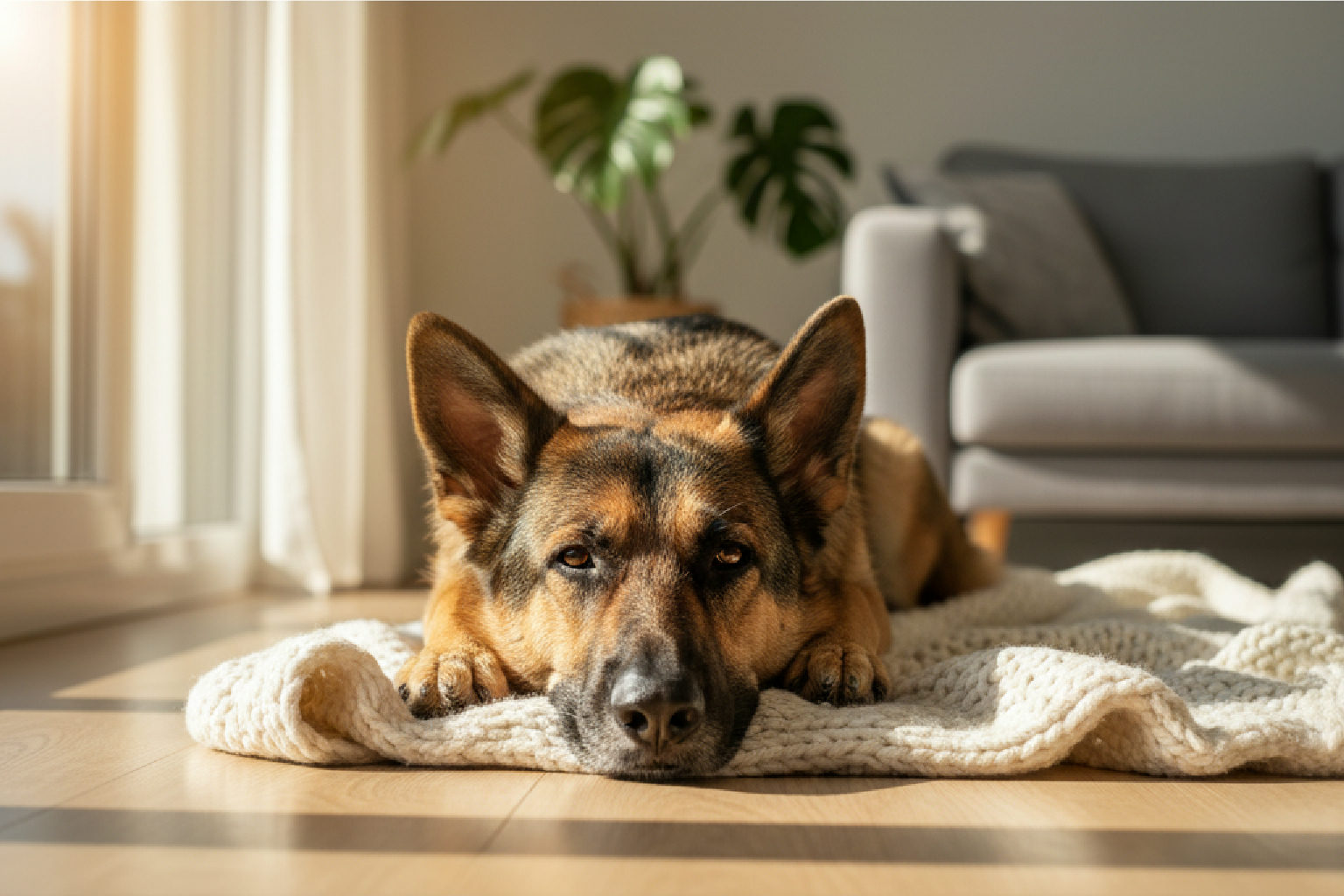
If your dog just threw up three times in an hour, or your cat is heaving but nothing comes up, you're probably wondering what can actually stop this. Cerenia (maropitant citrate) is the drug I reach for most often in these situations, and it's one of the most effective anti-nausea medications we have in veterinary medicine. Here at Hearthstone Animal Clinic in Cypress, TX, I prescribe Cerenia multiple times a week for everything from pancreatitis to motion sickness.
But Cerenia isn't a cure-all, and there are real reasons why I don't just dispense it over the counter. Let me walk you through what it does, when it helps, when it doesn't, and what you should know before your pet takes it.
What is Cerenia and how does it work?
Cerenia is the brand name for maropitant citrate, a medication that blocks a specific receptor in the brain called the NK1 receptor. This receptor is part of the vomiting center, and when it gets triggered (by motion, toxins, inflammation, or disease), your pet throws up. Cerenia blocks that signal before it can complete the circuit.
What makes Cerenia different from older anti-nausea drugs is that it works centrally, in the brain, rather than just in the stomach. That means it can stop vomiting from multiple causes: chemotherapy, car sickness, pancreatitis, kidney disease, post-surgical nausea, and more. It also reduces the nausea feeling itself, not just the act of vomiting. This matters because nauseous pets stop eating, and that creates its own set of problems.
Injection vs. tablet
Cerenia comes in two forms:
- Injectable Cerenia: Given under the skin at the clinic. Works within about an hour and lasts 24 hours. This is what I use for pets who are actively vomiting and can't keep pills down.
- Oral tablets: Available in several sizes (16mg, 24mg, 60mg, 160mg). Best for ongoing nausea, motion sickness prevention, or pets who are stable enough to swallow a pill. Takes effect in about 1-2 hours.
Which pets is Cerenia prescribed for?
Cerenia is FDA-approved for dogs to prevent acute vomiting and motion sickness. In cats, it's approved for acute vomiting only (not motion sickness, though some vets use it off-label for that purpose).
Common situations where I prescribe Cerenia
- Acute gastroenteritis: The classic "my dog got into the trash" scenario. Cerenia stops the vomiting while we address the underlying cause.
- Pancreatitis: Inflammation of the pancreas causes intense nausea. Cerenia is often part of the treatment plan.
- Kidney disease: Chronic kidney disease makes pets nauseous due to toxin buildup. Cerenia can improve appetite and quality of life.
- Post-surgical nausea: Anesthesia commonly causes nausea. I often give a Cerenia injection before surgery to prevent it.
- Car sickness: For dogs who drool, vomit, or panic in the car, Cerenia given 2 hours before travel can make a real difference.
- Chemotherapy side effects: Cancer patients receiving chemo benefit significantly from Cerenia's anti-nausea properties.
There are some restrictions. Cerenia tablets shouldn't be given to puppies under 8 weeks old, and the injectable form shouldn't be used in puppies under 16 weeks. I also use it cautiously in pets with liver disease, since the drug is metabolized by the liver.
Does Cerenia actually work?
Yes. This is one of those drugs where I can confidently say: it works in the majority of cases. Most dogs and cats I give Cerenia to stop vomiting within a few hours. For motion sickness specifically, studies show it prevents vomiting in about 93% of dogs when given 2 hours before travel.
That said, Cerenia stops the symptom, not the disease. If your dog is vomiting because of a foreign body obstruction, Cerenia will temporarily stop the vomiting, but the blockage is still there. This is exactly why I don't hand it out without knowing what's causing the problem. Masking symptoms can delay diagnosis and make things worse.
What I tell my clients: Cerenia buys us time and comfort while we figure out what's actually going on. It's not a substitute for diagnostics when diagnostics are warranted.
What are the side effects of Cerenia?
Cerenia is generally well tolerated, but side effects do occur. Here's what I see in practice:
- Drowsiness: The most common side effect. Most pets just sleep it off, which honestly isn't a bad thing when they're feeling sick.
- Decreased appetite: Some pets don't want to eat for a few hours after the dose. Usually temporary.
- Drooling: More common in cats, especially if they taste the pill.
- Pain at injection site: The injectable form can sting. Refrigerating the vial before use helps, and that's standard practice at our clinic.
- Diarrhea: Occasionally seen, usually mild.
Serious reactions are rare. I've given thousands of Cerenia doses over the years and can count true adverse reactions on one hand. That said, if your pet has liver disease or is very young, we need to weigh risks and benefits carefully.
How much does Cerenia cost?
This is a fair question, and I'll give you a straight answer. Cerenia is not cheap, but it's not outrageous either.
- Injectable Cerenia at the clinic: Typically $25-$50 per injection, depending on your pet's size and the clinic.
- Oral tablets: Roughly $5-$15 per tablet, depending on the dose size. A pack of 4 tablets runs $20-$60.
For a one-time bout of vomiting, you might spend $30-$80. For ongoing use (like managing chronic kidney disease nausea or preventing car sickness on multiple trips), costs add up. Some clients keep a few tablets on hand for car travel. I think that's reasonable if your dog has a documented history of motion sickness and you've already ruled out other issues.
How does Cerenia compare to other anti-nausea medications?
Before Cerenia came along in 2007, we relied on medications like metoclopramide (Reglan) and ondansetron (Zofran). Both still have their place, but Cerenia has become the go-to for most situations.
Cerenia vs. metoclopramide
Metoclopramide works by increasing gut motility and has some anti-nausea effect, but it's not as effective at stopping vomiting as Cerenia. It can also cause neurological side effects in some pets. I still use it occasionally, especially when we need to get the gut moving, but Cerenia is my first choice for pure anti-nausea control.
Cerenia vs. ondansetron
Ondansetron (the human drug Zofran) blocks serotonin receptors and can help with nausea. It's cheaper than Cerenia and available as a generic. I use it sometimes, particularly for cats who need long-term nausea management on a budget. But for acute vomiting, Cerenia typically works faster and more reliably.
Home remedies
I get asked about Pepto-Bismol and Dramamine. Pepto-Bismol contains salicylates (aspirin-like compounds) and should not be given to cats. It can be used very cautiously in dogs, but it's not particularly effective for serious vomiting. Dramamine (dimenhydrinate) can help mild motion sickness in dogs but causes significant sedation and doesn't work as well as Cerenia. If this was my dog and we were taking a long car trip, I'd use Cerenia.
When should you see a vet instead of just treating at home?
This is the part most owners get wrong, and it's not their fault. When a dog vomits once and seems fine, you probably don't need to rush to the vet. But vomiting that continues, or vomiting combined with other symptoms, is a different story.
See a vet promptly if:
- Vomiting continues more than 24 hours
- Your pet can't keep water down
- You see blood in the vomit
- Your pet is lethargic, weak, or in pain
- There's also diarrhea (especially bloody diarrhea)
- Your pet may have eaten something toxic or a foreign object
- Your pet is very young, very old, or has other health conditions
Dehydration happens fast, especially in small dogs and cats. A pet who's been vomiting all day may need IV fluids, not just a pill. If you're not sure whether it's an emergency, checking our frequently asked questions can help, or just give us a call.
Getting Cerenia for your pet
Cerenia is a prescription medication. You can't buy it over the counter, and that's intentional. Vomiting is a symptom, not a diagnosis, and I need to know what we're dealing with before I prescribe something that might mask a serious problem.
If your pet has a chronic condition (like kidney disease or a history of motion sickness) and we've already established the pattern, I'm happy to prescribe Cerenia for home use. For new or acute vomiting, I need to examine your pet first. That's not bureaucracy; it's medicine.
If your dog or cat is dealing with nausea, vomiting, or car sickness and you want to know whether Cerenia is the right option, schedule a visit at Hearthstone Animal Clinic. We see these cases every week here in Cypress, TX, and we can get your pet comfortable while making sure we're not missing something bigger. Reach us at (281) 859-9244.
Have a question about your pet?
Dr. Pelton and the Hearthstone team are here to help, the same day when it counts.
Get Your Pet Seen