
Comprehensive Guide to Senior Dog Care
Introduction
As our beloved canine companions age, their needs evolve, requiring thoughtful adjustments in their care. Senior dogs, typically those over the age of seven, enter a stage of life that benefits greatly from attentive and informed care. This guide is designed to help you navigate the unique needs of your senior dog, ensuring they remain healthy, happy, and comfortable.
Understanding Your Senior Dog's Health
Regular Veterinary Check-Ups
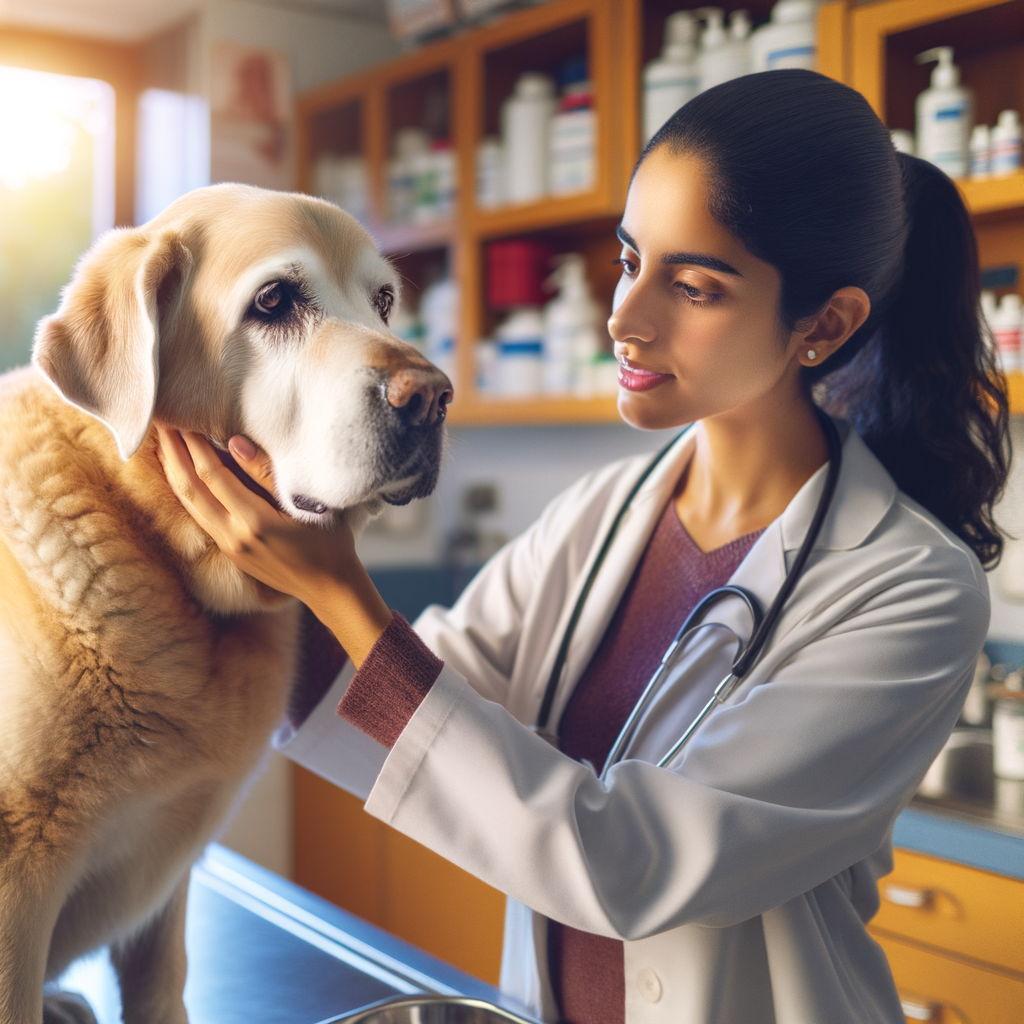
One of the most crucial aspects of senior dog care is ensuring regular veterinary check-ups. As dogs age, they are more prone to various health issues such as arthritis, dental disease, and cognitive decline. Scheduling bi-annual vet visits can help detect and manage these conditions early.
Monitor Their Weight
Maintaining a healthy weight is vital for your senior dog's well-being. Obesity can exacerbate health issues like joint pain and heart disease. Work with your vet to determine an appropriate diet and exercise plan tailored to your dog's specific needs.
Nutrition for Senior Dogs
As dogs age, their dietary requirements change. Older dogs often need fewer calories but more of certain nutrients.
- High-Quality Protein: Essential for maintaining muscle mass.
- Omega-3 Fatty Acids: Help reduce inflammation and support cognitive function.
- Fiber: Aids in digestion and helps prevent constipation.
Consider discussing with your vet about transitioning to a senior-specific dog food that meets these needs.
Exercise and Mobility
Adaptation to Exercise
While senior dogs may not have the stamina they once did, regular exercise remains important for both physical and mental health. Low-impact activities such as walking, swimming, or playing with gentle toys can help maintain mobility and keep them engaged.
Comfortable Living Environment
Making small adjustments around your home can greatly enhance your dog's quality of life. Consider orthopedic dog beds for joint support, ramps for easier access to furniture, and non-slip mats to prevent falls on slick surfaces.
Mental Stimulation
Cognitive decline is common in aging dogs, but mental stimulation can help slow this process. Engage your dog with puzzle toys, new training commands, or short, interactive play sessions to keep their mind sharp.
Addressing Behavioral Changes
Senior dogs may exhibit changes in behavior, such as increased anxiety or decreased tolerance for long periods alone. Patience and understanding are key. Modify routines to provide comfort and security, and consult your vet if changes seem sudden or severe.
Conclusion
Caring for a senior dog requires attention, compassion, and adjustments to their changing needs. By staying proactive about their health, diet, and lifestyle, you can ensure your cherished companion enjoys their golden years to the fullest. Regular consultations with your veterinarian are invaluable in tailoring care to your dog's unique requirements, providing peace of mind for both you and your furry friend.
Have a question about your pet?
Dr. Pelton and the Hearthstone team are here to help, the same day when it counts.
Get Your Pet Seen