
Cookout Food Dangers for Dogs: July 4th BBQ Safety in Cypress, TX
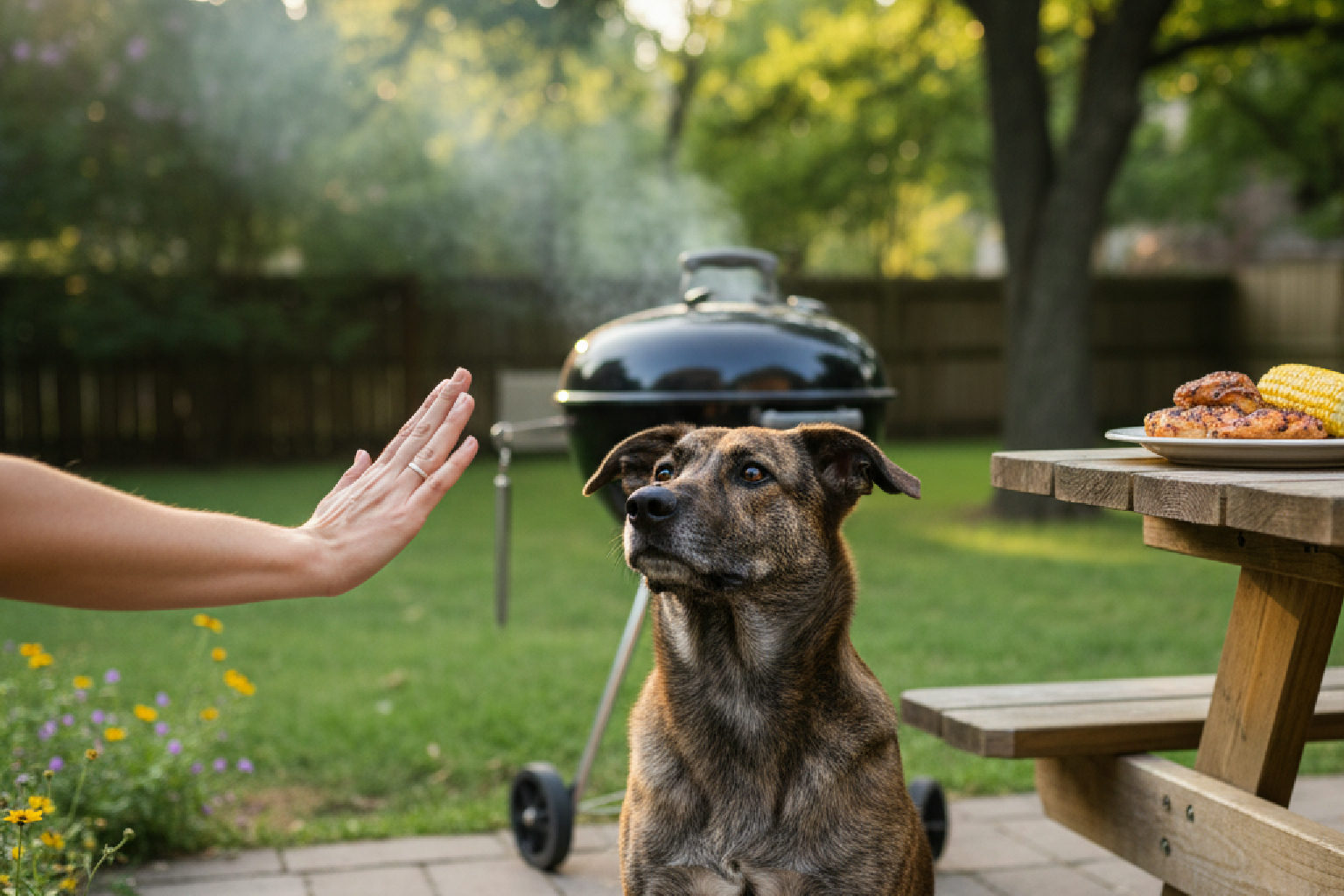
Every year around Independence Day, I see a predictable spike in emergency visits at Hearthstone Animal Clinic. It's not just the fireworks (though that's a whole other conversation). It's the cookouts. Between well-meaning guests slipping scraps under the table and dogs who've perfected the art of counter-surfing, the Fourth of July is prime time for food-related emergencies in dogs here in Cypress, TX.
I'm not here to ruin your holiday. I just want you to enjoy it without ending up in my exam room at 10 PM with a very sick pup. So let's talk about what's actually dangerous at your backyard BBQ—and what you can safely share.
Which Cookout Foods Are Toxic to Dogs?
Not all "people food" is created equal. Some will cause a mild upset stomach; others can be life-threatening. Here's my top danger list for typical Texas cookout fare:
Onions and Garlic
These are in everything—burgers, hot dogs, grilled veggies, potato salad, guacamole. Onions and garlic (along with leeks and chives) contain compounds that damage red blood cells in dogs, leading to a condition called hemolytic anemia. The scary part? Symptoms often don't show up for several days, so owners don't connect the dots. Watch for lethargy, pale gums, and dark or red-tinged urine.
Grapes and Raisins
Fruit salad seems harmless, but grapes and raisins can cause acute kidney failure in dogs—sometimes from just a handful. We still don't fully understand why some dogs are more sensitive than others, but I've seen it happen. If your dog eats grapes, call your vet immediately. Time matters.
Xylitol (Artificial Sweetener)
This one catches people off guard. Xylitol is found in sugar-free gum, some peanut butters, certain BBQ sauces, and sugar-free desserts. In dogs, it causes a rapid, dangerous drop in blood sugar and can lead to liver failure. Even small amounts can be deadly.
Chocolate and Caffeine
Most dog owners know about chocolate, but it's worth repeating: dark chocolate and baking chocolate are the most dangerous. And don't forget about caffeinated drinks sitting around at parties—iced coffee, energy drinks, even tea. Keep them out of reach.
Alcohol
It sounds obvious, but dogs get into more beer and cocktails than you'd think—especially at parties where drinks are left unattended on low tables. Dogs are far more sensitive to alcohol than humans. Even small amounts can cause vomiting, disorientation, difficulty breathing, and in severe cases, coma.
What About Bones, Fat Trimmings, and Corn Cobs?
These are the sneaky dangers—the stuff that seems "natural" to give a dog but causes serious problems every summer.
Cooked Bones
Cooked bones—especially chicken and rib bones—splinter into sharp fragments that can puncture the stomach or intestines. I had a sweet mixed-breed in last Fourth of July who needed emergency surgery after getting into a trash bag full of rib bones. It's a scenario I'd love to never repeat.
Fat Trimmings and Greasy Scraps
That brisket fat or chicken skin might seem like a treat, but fatty foods are a leading cause of pancreatitis in dogs. Pancreatitis is painful, sometimes life-threatening, and almost always lands dogs in the hospital for several days. Symptoms include vomiting, abdominal pain, lethargy, and loss of appetite.
Corn Cobs
Corn cobs are the perfect size to get lodged in a dog's intestines. They don't break down, and they often require surgical removal. The corn itself isn't toxic—but the cob is an obstruction waiting to happen.
Can Dogs Have Any BBQ Food Safely?
Yes! I'm not a total killjoy. Here's what you can share with your dog in moderation:
- Plain, unseasoned grilled meat (chicken, beef, pork)—no bones, no skin, no marinades
- Watermelon (seedless, no rind)—most dogs love it, and it's hydrating on a hot Texas day
- Plain cooked vegetables like carrots, green beans, or zucchini
- Small bites of plain hamburger patty—again, no onions, no seasoning
The key is plain. If it's been marinated, seasoned, or slathered in sauce, skip it.
How Do I Keep My Dog Safe During a July 4th Party?
Prevention is the best medicine. Here's what I recommend to my clients:
- Designate a "dog watcher." At busy parties, it's easy to assume someone else is keeping an eye on the dog. Assign one person to be responsible.
- Keep trash secured. A lid isn't enough for a determined dog. Use a can with a locking lid or keep trash bags in a closed garage.
- Brief your guests. A quick "please don't feed the dog" announcement goes a long way. Some people genuinely don't know what's harmful.
- Create a safe space. If your dog is a known scavenger or gets anxious around crowds, set them up in a quiet room with a frozen Kong or chew toy. They'll be happier, and you'll have peace of mind.
- Know where your emergency vet is. Hearthstone Animal Clinic is here for you during regular hours, but make sure you have the number for the nearest emergency clinic if something happens after hours.
What Are the Signs of Food Poisoning in Dogs?
If your dog gets into something they shouldn't, here's what to watch for:
- Vomiting or diarrhea (especially if repeated or severe)
- Excessive drooling
- Lethargy or weakness
- Loss of coordination or tremors
- Abdominal pain (hunched posture, reluctance to move, whimpering when touched)
- Pale or white gums
- Rapid breathing or panting
Some toxins act fast; others take days to show symptoms. When in doubt, call. The ASPCA Animal Poison Control Center is also a great resource (1-888-426-4435), though they do charge a consultation fee.
When Should I Call a Veterinarian?
If your dog ate something from the danger list above—especially grapes, xylitol, chocolate, onions, or bones—don't wait for symptoms. Call your vet or an emergency clinic right away. With many toxins, early intervention makes all the difference.
If you're noticing any of the symptoms I listed, particularly repeated vomiting, bloody stool, difficulty breathing, or collapse, that's an emergency. Get your dog seen immediately.
For less urgent concerns—maybe your dog snagged a bite of seasoned burger and you're not sure what was in it—give us a call. We can help you assess the risk and decide on next steps. You can also check out our FAQ page for answers to common questions, or learn more about the services we offer here at Hearthstone.
Enjoy Your Holiday—Just Keep the Ribs Out of Reach
Look, I want you and your dog to have a great Fourth of July. Fire up the grill, watch the fireworks (from a safe distance, with your pup inside if they're noise-sensitive), and enjoy the holiday. Just be smart about what ends up in your dog's stomach. A little planning now saves a lot of heartache—and vet bills—later.
If your dog does get into trouble this holiday weekend, or if you have questions about what's safe, don't hesitate to schedule a visit at Hearthstone Animal Clinic. We're here to help pet owners across Cypress, TX keep their furry family members healthy and happy. Give us a call at (281) 859-9244—and have a safe, fun Fourth of July.
Have a question about your pet?
Dr. Pelton and the Hearthstone team are here to help, the same day when it counts.
Get Your Pet Seen