
Copperhead Snake Bites in Dogs: What Cypress, TX Owners Must Know
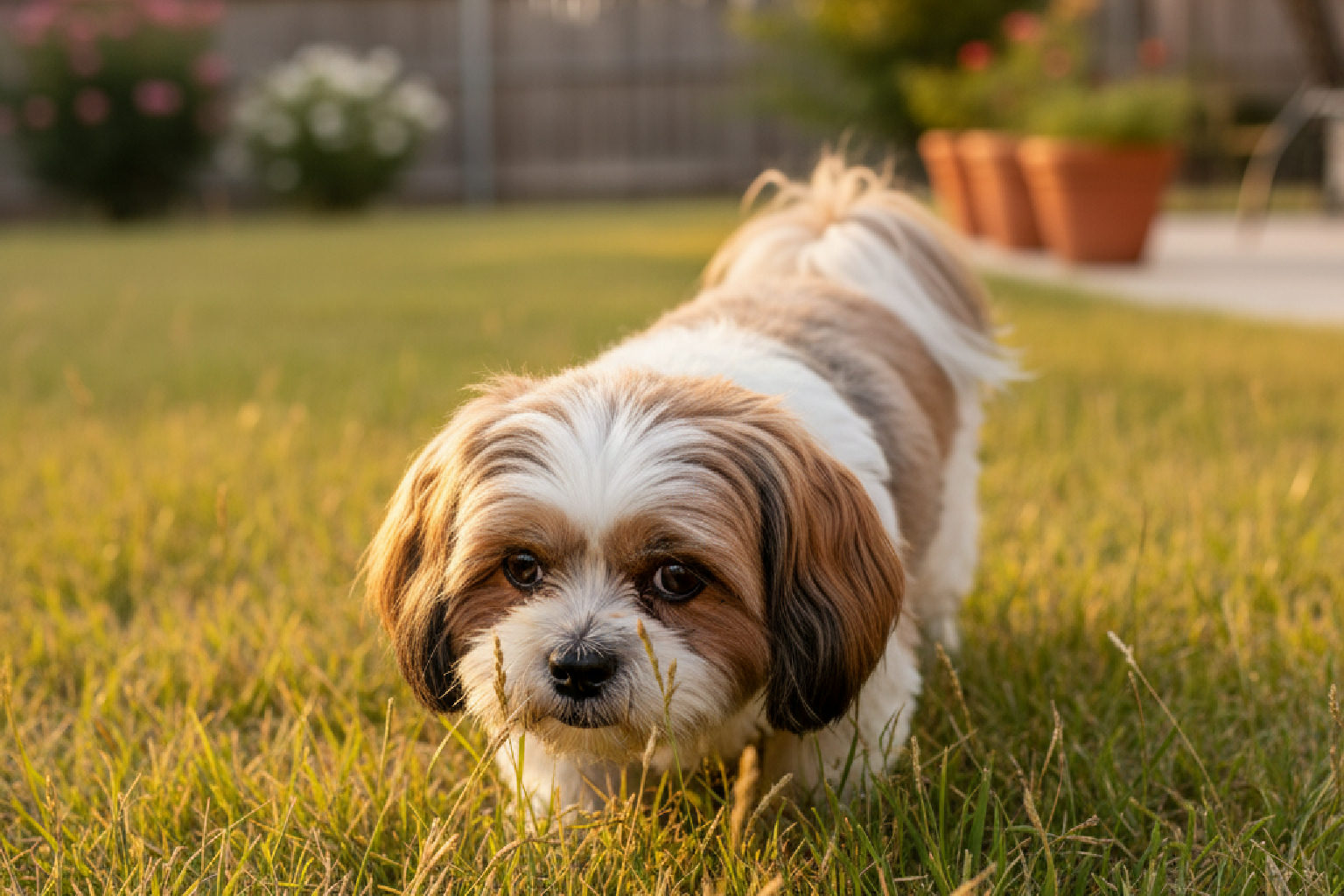
Every summer here in Cypress, TX, I see a spike in snake bite cases at Hearthstone Animal Clinic—and copperheads are by far the most common culprit. These pit vipers love our humid climate, overgrown yards, and woodpiles. If you have a curious dog who likes to nose around the bushes, you need to know what to do if they get bitten. The good news? Most dogs survive copperhead bites with proper treatment. But time matters, and panic doesn't help anyone.
Why Are Copperhead Bites So Common in Cypress?
We're in prime copperhead territory. Harris County and the surrounding areas have healthy populations of these snakes, and they're most active from April through October—right when your dog wants to spend every waking moment outside.
Copperheads are ambush predators. They don't chase your dog down; they sit still and strike when something gets too close. That's why bites usually happen on the face, muzzle, or front legs—the parts of your dog that lead the investigation when they find something interesting in the leaf litter.
Where Dogs Typically Get Bitten
- Tall grass and unmowed areas along fence lines
- Woodpiles, brush piles, and debris in the yard
- Gardens and flower beds with mulch and ground cover
- Near water sources like ponds, drainage areas, and creek beds
- Under decks, sheds, and AC units where snakes seek shade
What Does a Copperhead Bite Look Like on a Dog?
Here's what I tell my clients: you might not see the bite happen, but you'll definitely see the aftermath. Symptoms typically show up within 30 minutes to 2 hours after the bite.
Early Signs to Watch For
- Sudden swelling that progresses rapidly—this is the hallmark sign
- Two small puncture wounds (though these can be hard to find under fur)
- Severe pain—your dog may yelp, whimper, or refuse to let you touch the area
- Bleeding from the wound that may not clot normally
- Drooling or panting from pain and stress
More Serious Symptoms
- Lethargy or weakness
- Vomiting or diarrhea
- Difficulty breathing (especially with face/neck bites)
- Collapse or inability to stand
- Bruising or discoloration spreading from the bite site
I had a Boxer in last July who got tagged on the lip while sniffing around his owner's tomato plants. Within an hour, his entire face was swollen to twice its normal size. Scary to look at, but he was home recovering within 48 hours. That's pretty typical for copperhead bites when we catch them early.
What Should You Do If Your Dog Gets Bitten?
First: stay calm. I know that's easier said than done, but your dog is watching you. If you panic, they panic, and stress makes venom spread faster.
Immediate Steps
- Keep your dog still. Carry them to the car if possible. Movement increases circulation and spreads the venom.
- Remove collars or anything constrictive around the bite area—swelling can make these dangerously tight.
- Call your vet immediately. If it's after hours, head to an emergency clinic.
- Take a photo of the snake if you can do so safely from a distance. Don't chase it, don't try to kill it, don't pick it up—even dead snakes can deliver bites reflexively.
What NOT to Do
- Don't apply ice. This can damage tissue and doesn't help with venom.
- Don't try to suck out the venom. This doesn't work and wastes precious time.
- Don't apply a tourniquet. You'll cause more harm than good.
- Don't give human pain medications. Ibuprofen and aspirin can worsen bleeding. Tylenol is toxic to dogs.
How Do Veterinarians Treat Copperhead Bites?
When a snake-bitten dog comes into my exam room, here's what we're doing:
Pain management is priority one. Copperhead bites hurt—a lot. We use injectable pain medications that are safe and fast-acting.
IV fluids support blood pressure and help flush the system. Most dogs need to stay on fluids for at least 24 hours.
Antibiotics may be prescribed because snake mouths harbor bacteria that can cause secondary infections.
Anti-nausea medications help with the GI upset that often accompanies envenomation.
What About Antivenin?
This is where I give you the honest talk. Antivenin (also called antivenom) exists and it works, but it comes with some serious considerations:
- Cost: A single vial can run $400-800, and severe bites may require multiple vials. Total treatment costs can range from $2,000 to $5,000+.
- Risk of reaction: Some dogs have allergic reactions to antivenin itself.
- Timing: It's most effective when given early, ideally within 4-6 hours of the bite.
Here's my honest assessment: most healthy adult dogs survive copperhead bites without antivenin. Copperhead venom is less potent than rattlesnake or water moccasin venom. For a young, healthy 50-pound Lab, supportive care alone is often enough. But for small dogs, puppies, senior dogs, or dogs with face/throat bites that threaten their airway? Antivenin can be lifesaving, and I'll recommend it.
We discuss options with every owner. There's no one-size-fits-all answer, and cost is a legitimate factor in making these decisions. If you're curious about what emergency care might run for your pet, take a look at our pricing page for general guidance.
How Long Does It Take for Dogs to Recover?
Most dogs with copperhead bites are back to their normal selves within 1-2 weeks. The swelling is usually the last thing to fully resolve. Here's what recovery typically looks like:
- Days 1-3: Maximum swelling, pain management critical, restricted activity
- Days 4-7: Swelling starts to decrease, energy returns, appetite improves
- Weeks 2-3: Full resolution for most dogs, though some tissue damage at the bite site may take longer to heal
Small dogs and those with pre-existing health conditions may take longer to bounce back. Dogs with underlying issues like kidney disease or bleeding disorders need closer monitoring, which is why baseline bloodwork can be valuable—especially as your pet ages.
Can You Prevent Copperhead Bites?
You can't bubble-wrap your dog, but you can reduce the risk:
- Keep your yard trimmed. Mow regularly, clear brush piles, and eliminate hiding spots.
- Walk dogs on leash in wooded areas or near water.
- Use a flashlight at night. Copperheads are nocturnal hunters in hot weather.
- Consider snake aversion training. Some trainers offer this; it teaches dogs to avoid snakes by scent.
- Install snake-proof fencing in high-risk areas if you have a severe snake problem.
There is a rattlesnake vaccine available that may provide some cross-protection against copperhead venom. The evidence is mixed, and it won't prevent a bite or eliminate the need for veterinary care—but it may reduce severity. Ask me about it if you're interested.
When Should You Call Your Veterinarian?
If you suspect a snake bite, don't wait to see what happens. Even if you're not 100% sure it was a copperhead, even if the swelling "doesn't look that bad," get your dog seen. Early intervention makes a real difference in outcomes and can actually reduce your overall treatment costs.
Call immediately if your dog:
- Has sudden, unexplained swelling on the face, legs, or body
- Is in obvious pain after being outside
- Shows any difficulty breathing
- Becomes weak or collapses
Here in Cypress, TX, copperheads are a fact of life—but they don't have to be a tragedy. If your dog gets bitten, or you just want to talk through a prevention plan for your yard-loving pup, schedule a visit at Hearthstone Animal Clinic or call us at (281) 859-9244. We've treated more snake bites than I can count, and we'll get your dog through it.
Have a question about your pet?
Dr. Pelton and the Hearthstone team are here to help, the same day when it counts.
Get Your Pet Seen