
Dog Water Safety in Cypress TX: Prevent Drowning & Pool Hazards
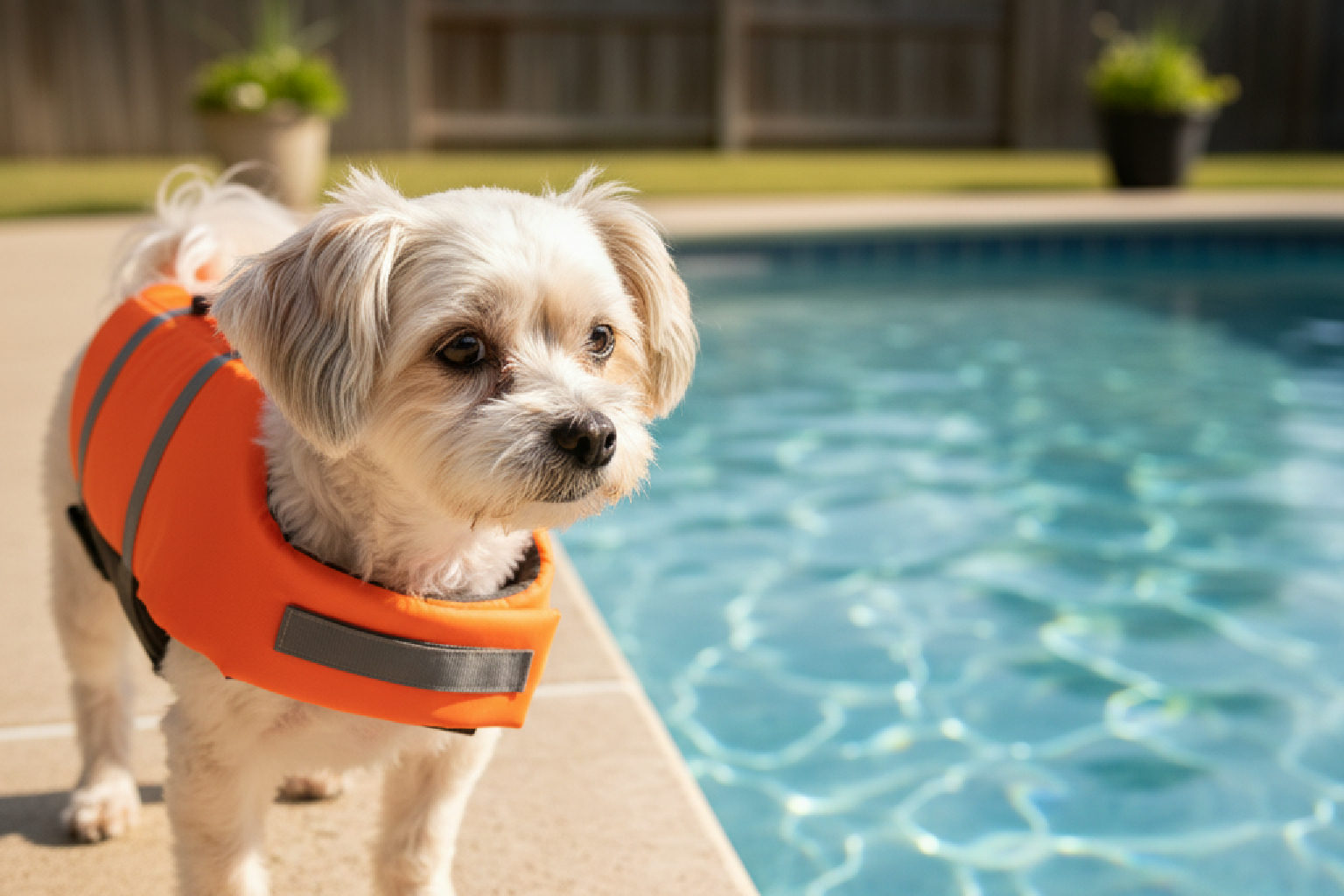
Summer in Cypress means backyard pools, lake trips, and dogs who think they're Olympic swimmers—until they're not. Every summer at Hearthstone Animal Clinic, I see water-related emergencies that range from mild to heartbreaking. The good news? Most of these incidents are completely preventable with some awareness and a few simple precautions.
Whether your dog is a natural retriever who lives for the water or a senior Yorkie who accidentally tumbled into your pool, this guide covers what every Cypress pet owner needs to know before the temperature hits triple digits.
Can All Dogs Swim? The Dangerous Assumption
Here's something I tell clients at least once a week: not all dogs can swim, and even dogs who can swim don't always know how to get out of a pool. These are two very different skills.
Breeds at Higher Risk
- Brachycephalic breeds (Bulldogs, Pugs, Boston Terriers) — their short snouts make it hard to keep their head above water
- Short-legged breeds (Dachshunds, Corgis, Basset Hounds) — they tire quickly and struggle with pool ladders
- Top-heavy breeds (Boxers, some Pit Bulls) — their center of gravity makes swimming exhausting
- Senior dogs — even former swimmers lose stamina, and arthritis affects their ability to climb out
- Small breeds — a 6-pound Chihuahua in a 20,000-gallon pool is fighting physics
I had a client last summer whose 10-year-old Dachshund fell into their pool while they were at work. The dog had been around that pool for years. But age catches up, and a slip off the deck became a tragedy. That's a conversation I never want to have again if I can help prevent it.
What Is Dry Drowning in Dogs? Signs Every Owner Should Know
Dry drowning (technically called "secondary drowning" or "near-drowning syndrome") happens when a dog inhales water that doesn't cause immediate drowning but triggers life-threatening problems hours later. The water irritates the lungs, causing inflammation and fluid buildup that can be fatal if untreated.
Warning Signs to Watch For
If your dog had a close call in the water—coughing, went under briefly, seemed panicked—monitor them closely for the next 24 hours. Call your vet immediately if you notice:
- Persistent coughing or gagging (beyond the first few minutes)
- Labored or rapid breathing
- Lethargy or extreme fatigue
- Blue or pale gums
- Foaming at the mouth or nose
- Vomiting
- Collapse or loss of coordination
The tricky part? Your dog might seem perfectly fine for 1-4 hours before symptoms appear. That's why any water aspiration event—even a "minor" one—warrants close observation. When in doubt, get your pet seen the same day. This is not one to wait out.
How Do I Make My Pool Safe for Dogs?
Pools are the biggest water hazard for Cypress dogs, simply because they're everywhere. Here's what I recommend to every pool-owning client:
Essential Pool Safety Measures
- Teach your dog where the exit is. Get in the water with them and guide them to the steps repeatedly. Dogs panic and swim in circles—they need to know exactly where to go.
- Install a pet pool ramp. These cost $30-100 and give dogs an easy-grip surface to climb out, especially helpful for older or arthritic dogs.
- Use pool alarms. Surface wave sensors or wearable pet alarms can alert you if something enters the water.
- Never leave dogs unattended near the pool. "Just five minutes" is how most accidents happen.
- Consider a pool fence. Physical barriers remain the most reliable prevention, especially for senior dogs or puppies.
Pool Chemicals: Another Hidden Risk
Chlorinated pool water in normal concentrations usually isn't toxic if your dog takes a few gulps. But drinking too much can cause GI upset—vomiting, diarrhea, drooling. More concerning is saltwater pools: excessive salt ingestion leads to dangerous electrolyte imbalances, vomiting, tremors, and even seizures. Always provide fresh water nearby so your dog isn't tempted to drink from the pool.
Are Lakes and Ponds Safe for Dogs in Cypress?
Our area has no shortage of lakes, retention ponds, and bayous—and they come with hazards pools don't have.
Blue-Green Algae: The Invisible Killer
Blue-green algae (cyanobacteria) produces toxins that can kill a dog within hours of exposure. It thrives in warm, stagnant water—exactly what we have in Texas summers. According to the American Veterinary Medical Association, there's no way to tell by looking whether algae is toxic. My rule: if the water looks like pea soup, has visible scum, or smells off, keep your dog out. Period.
Other Natural Water Hazards
- Leptospirosis — bacteria in contaminated water causes this serious disease (there's a vaccine—ask me about it at your next visit)
- Strong currents — even confident swimmers get swept away
- Debris and sharp objects — you can't see what's underwater
- Parasites — giardia and other organisms love warm, slow-moving water
If your dog swims in natural water regularly, keeping up with wellness panels helps us catch any issues early.
Do Dogs Need Life Jackets?
Short answer: more often than you'd think.
I recommend canine life jackets for boating, lake trips, any open water, and for dogs who are learning to swim. Even strong swimmers fatigue—especially in currents, waves, or if they're older. A good life jacket has:
- A handle on top (so you can grab your dog quickly)
- Bright colors for visibility
- Proper fit—snug but not restricting breathing
- Flotation under the chest, not just on top
For about $25-50, a life jacket is cheap insurance. It's not about whether your dog "can" swim—it's about whether they can swim long enough if something goes wrong.
What Should I Do If My Dog Is Drowning or Nearly Drowned?
Immediate Steps
- Remove your dog from the water safely. Don't become a victim yourself.
- Check for breathing. Look for chest movement; listen for breath sounds.
- If not breathing and small enough: Hold your dog upside down by the hips for 30-60 seconds to help drain water from lungs. Support the head.
- For larger dogs: Lay them on their side with head slightly lower than body. Clear any debris from mouth.
- Begin rescue breathing if needed. Close their mouth, breathe into their nose, watch for chest rise.
- Get to a veterinarian immediately—even if your dog seems to recover.
Time matters. A dog who aspirated water needs veterinary evaluation even if they're walking around acting normal. We may need chest X-rays, oxygen support, or monitoring for delayed respiratory distress.
When to Call Your Veterinarian
Call us right away if your dog:
- Had any near-drowning incident, no matter how "minor"
- Is coughing persistently after being in water
- Shows any breathing difficulty
- Seems unusually tired after swimming
- Drank excessive amounts of pool or salt water
- Swam in water you suspect might have algae
With water emergencies, I'd rather see a dog who turns out to be fine than get the call 12 hours later when we're fighting for time.
Keep Your Dog Safe This Summer
Summer should be fun for your dog—and it can be, with some common-sense precautions. Supervise water time, know your dog's limits, teach them where pool exits are, and don't assume swimming comes naturally. If you have a senior dog or a breed that wasn't built for water, extra vigilance goes a long way. And if you want to discuss whether your dog is a good candidate for water activities—or if your senior pet needs updated bloodwork before an active summer—I'm happy to talk it through.
If your dog has a water-related incident this summer—or you're just not sure if what happened was serious—don't wait to see how it plays out. Schedule a visit at Hearthstone Animal Clinic or call us at (281) 859-9244. We're here for Cypress pet owners when it matters most.
Have a question about your pet?
Dr. Pelton and the Hearthstone team are here to help, the same day when it counts.
Get Your Pet Seen