
Heat Exhaustion vs. Heatstroke in Dogs: Know the Signs & Act Fast
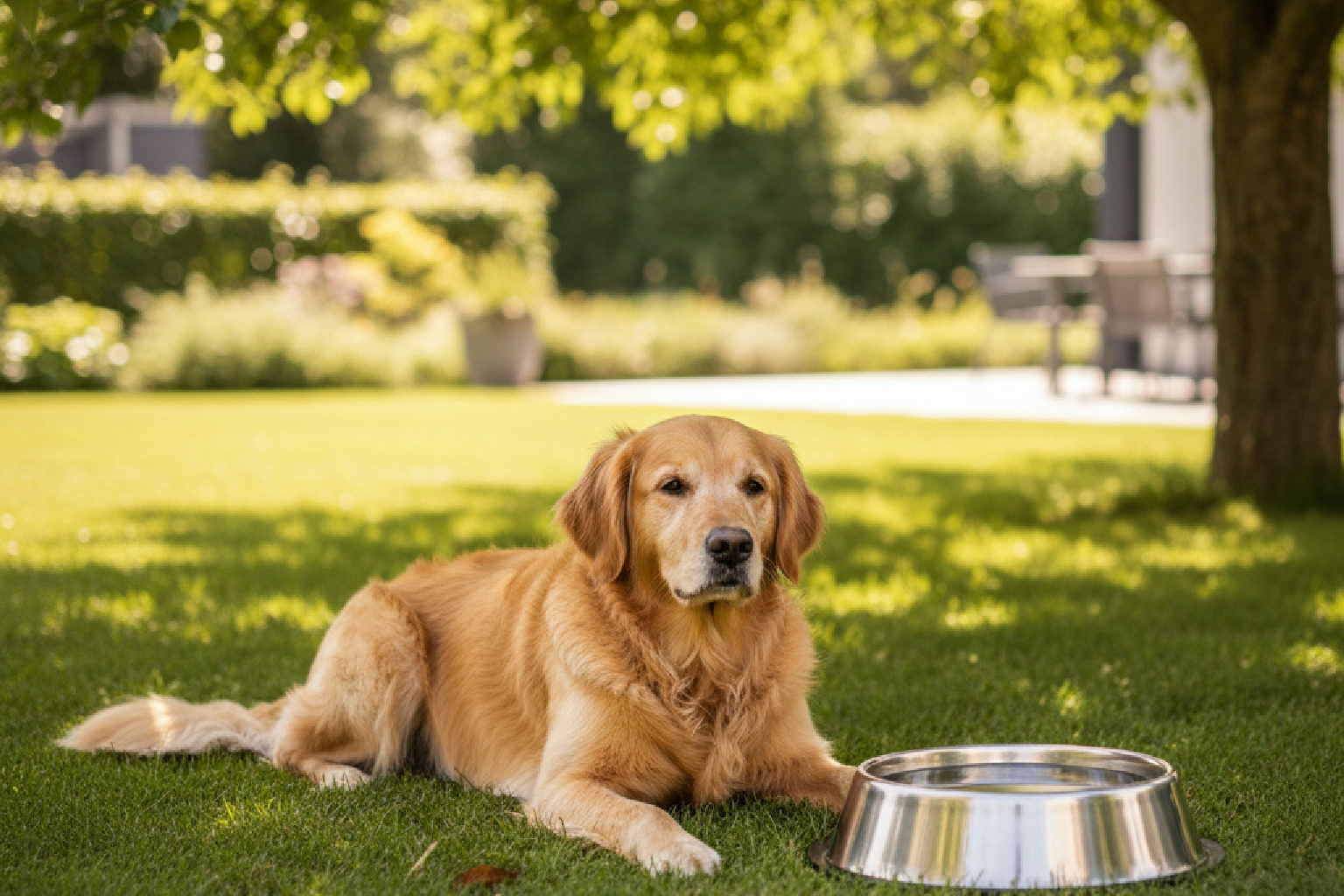
Last July, a client rushed into Hearthstone Animal Clinic with her Golden Retriever, Max, collapsed in her arms. He'd been playing fetch in their backyard for maybe 20 minutes. Here in Cypress, TX, that's all it takes—our summer heat can turn a normal afternoon into a life-threatening emergency in the time it takes to check your email. I've been treating heat-related emergencies for over two decades, and every summer I wish more owners knew the difference between heat exhaustion and heatstroke. That difference can save your dog's life.
What's the Difference Between Heat Exhaustion and Heatstroke in Dogs?
These terms get used interchangeably, but they're not the same thing. Understanding the distinction helps you know when you can cool your dog at home versus when you need to get in the car immediately.
Heat Exhaustion: The Warning Stage
Heat exhaustion is your dog's body telling you it's struggling to regulate temperature. Core body temperature is elevated (typically 103-105°F) but hasn't reached the critical zone yet. At this stage, organ damage hasn't occurred, and with proper cooling, most dogs recover fully within an hour.
Signs of heat exhaustion include:
- Heavy, rapid panting that seems excessive for the activity level
- Excessive drooling (thicker saliva than normal)
- Seeking shade or cool surfaces
- Slowing down or reluctance to keep moving
- Mild weakness or unsteadiness
Heatstroke: A True Emergency
Heatstroke occurs when your dog's core temperature exceeds 105°F, and the body's cooling mechanisms fail completely. This is organ-damaging territory. Brain swelling, kidney failure, and blood clotting disorders can develop within minutes. The mortality rate for heatstroke in dogs ranges from 39-50%, according to the American Veterinary Medical Association.
Signs of heatstroke include:
- Bright red or purple gums and tongue
- Glazed eyes or disorientation
- Vomiting or diarrhea (sometimes bloody)
- Staggering, collapse, or inability to stand
- Seizures or loss of consciousness
- Thick, rope-like saliva or no saliva at all
Which Dogs Are Most at Risk in Cypress Heat?
Our Houston-area humidity makes things worse—dogs cool themselves primarily through panting, and when the air is already saturated with moisture, that evaporative cooling doesn't work well. Some dogs are at higher risk than others:
- Brachycephalic breeds (Bulldogs, Pugs, French Bulldogs, Boston Terriers)—their shortened airways make panting inefficient
- Senior dogs and those with heart or respiratory conditions
- Overweight dogs—extra insulation traps heat
- Thick-coated or double-coated breeds (Huskies, Malamutes, Golden Retrievers)
- Puppies—their thermoregulation isn't fully developed
- Dark-colored dogs—they absorb more radiant heat
If your dog falls into any of these categories, I recommend being extra cautious during our summer months. For senior pets especially, underlying conditions can make heat intolerance worse—consider scheduling senior pet bloodwork to make sure their kidneys and heart are functioning well before the hottest months hit.
How Do I Cool Down an Overheated Dog Safely?
Here's where I see well-meaning owners make dangerous mistakes. Cooling too fast can be just as harmful as the heat itself. Rapid temperature drops can cause blood vessels to constrict, actually trapping heat in the core and triggering shock.
For Heat Exhaustion (Still Alert and Responsive)
- Move to shade or air conditioning immediately—get out of direct sun
- Offer small amounts of cool (not cold) water—don't force them to drink
- Apply cool water to paw pads, groin, and armpits—these areas have thin skin and blood vessels close to the surface
- Use a fan or car AC to promote evaporation
- Avoid ice, ice baths, or extremely cold water—this causes blood vessel constriction
Monitor your dog closely. If they're improving within 10-15 minutes—panting slows, they're more alert, gums return to normal pink—you've likely caught it in time. Keep them resting in cool conditions for the rest of the day.
For Heatstroke (Disoriented, Collapsed, or Severe Symptoms)
This is not a wait-and-see situation. Start cooling AND call your vet simultaneously.
- Drape cool, wet towels over the neck, armpits, and groin—replace every few minutes as they warm up
- Run cool (not cold) water over the body if possible
- Point a fan at them while wet
- Stop active cooling once rectal temperature reaches 103°F if you have a thermometer
- Get to a veterinarian immediately—even if they seem to improve, internal organ damage may have occurred
What Happens When a Dog Comes In with Heatstroke?
When I see a heatstroke case at Hearthstone Animal Clinic, we move fast. We continue controlled cooling, place an IV catheter for aggressive fluid therapy, and monitor for complications. I check bloodwork for signs of organ damage and clotting abnormalities. Some dogs need hospitalization for 24-72 hours. Severely affected dogs may develop delayed complications—kidney failure, brain swelling, or bleeding disorders—days later.
I'm honest with my clients: even with aggressive treatment, not all dogs survive heatstroke. And some that do survive have permanent organ damage. This is why prevention and early recognition matter so much.
How Can I Prevent Heat-Related Illness in My Dog?
Prevention is straightforward, but it requires changing habits during our Cypress summers:
- Walk early morning or after sunset—if the pavement is too hot for your palm, it's too hot for paw pads
- Provide constant access to fresh water and shade—and I mean real shade, not a small umbrella
- Never leave your dog in a parked car—interior temperatures can reach 120°F in minutes, even with windows cracked
- Limit exercise on humid days—even if temperatures seem "okay," high humidity prevents effective cooling
- Know your dog's limits—a young Lab might keep fetching until they collapse; you have to be the one to stop
- Consider cooling vests or mats for high-risk breeds
I had a Bulldog owner tell me last summer she switched entirely to indoor play and short leash walks after 8 PM. Her dog has never had a heat episode since. Sometimes the simplest changes are the most effective.
When Should I Call the Vet for Overheating?
Call immediately if you see any of these signs:
- Your dog collapses or can't stand
- Gums are bright red, purple, or pale/white
- Vomiting or diarrhea after heat exposure
- Disorientation, glazed eyes, or seizures
- Your dog isn't improving within 10-15 minutes of cooling efforts
- You're unsure whether it's heat exhaustion or heatstroke—err on the side of caution
If you're dealing with dog allergies in Cypress or other chronic conditions, heat stress can make those worse too. Don't hesitate to ask about how summer affects your specific dog's health.
The Bottom Line on Dogs and Texas Heat
Max, the Golden Retriever I mentioned at the start? He made it. His owner recognized something was wrong and got him to us fast. But he spent two days on IV fluids, and his kidney values were elevated for weeks afterward. A 20-minute backyard play session nearly cost him his life.
If your dog shows any signs of heat exhaustion or heatstroke this summer, don't wait to see if it gets worse. Schedule a visit at Hearthstone Animal Clinic or call us at (281) 859-9244 right away. We see heat emergencies every summer here in Cypress, TX, and we'd much rather catch a problem early than fight to save a dog who's already in crisis. When it comes to heat, fast action makes all the difference.
Have a question about your pet?
Dr. Pelton and the Hearthstone team are here to help, the same day when it counts.
Get Your Pet Seen