
Hot Pavement Burns on Dogs: Protecting Paws in Cypress, TX
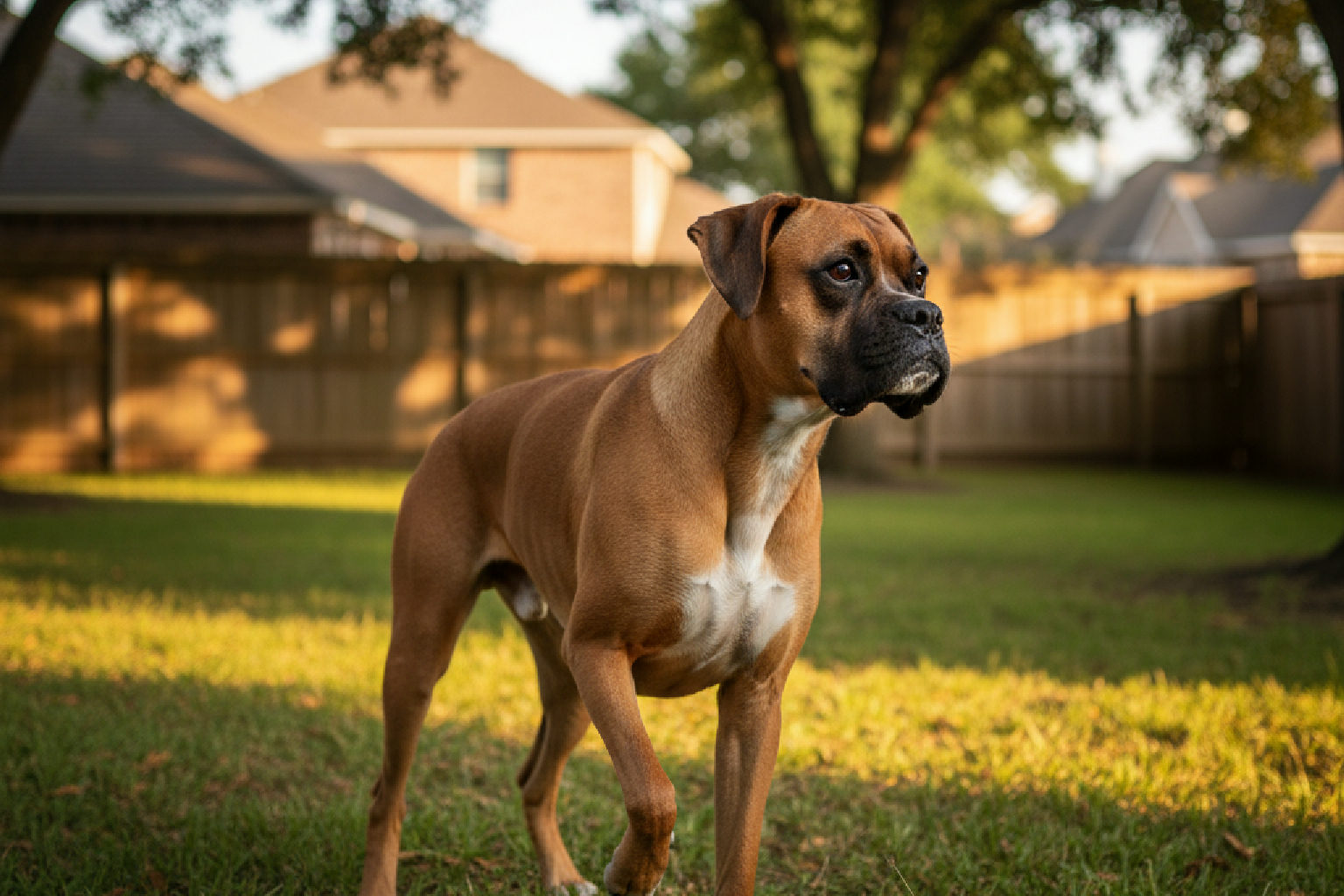
Every summer in Cypress, TX, I see a heartbreaking spike in one particular injury: burned paw pads. Last July alone, I treated more than a dozen dogs at Hearthstone Animal Clinic with blistered, raw feet—and almost every owner said the same thing: "I had no idea the sidewalk was that hot." Here's the truth: when the air temperature hits 85°F, pavement can reach 130°F or higher. That's hot enough to cause serious tissue damage in under a minute.
The good news? Paw pad burns are completely preventable. Let me walk you through what I tell every dog owner who comes through my exam room during our brutal Texas summers.
How Hot Does Pavement Actually Get in Texas?
This is where most people underestimate the danger. Air temperature and ground temperature are two very different things. Asphalt and concrete absorb and radiate heat, making them significantly hotter than the surrounding air.
Here's a rough guide based on studies and what we experience here in the Houston area:
- 77°F air temperature → Asphalt reaches ~125°F
- 85°F air temperature → Asphalt reaches ~135°F
- 95°F air temperature → Asphalt reaches ~150°F+
At 140°F, skin destruction can occur in less than one minute. At 150°F, it takes only seconds. Your dog's paw pads are tougher than human skin, but they're not invincible—and puppies, senior dogs, and dogs who spend most of their time indoors have softer pads that burn even faster.
What Are the Signs of Burned Paw Pads?
Dogs don't always limp immediately. Sometimes the damage shows up hours later, which is why owners are often blindsided. Watch for these symptoms after any outdoor activity during warm weather:
Immediate Signs
- Limping or reluctance to walk
- Licking or chewing at feet excessively
- Refusing to stand on hard surfaces
- Whimpering when walking
Visible Damage (May Appear Hours Later)
- Red, swollen pads
- Blisters or open sores
- Dark or discolored patches on pad surface
- Missing chunks of pad tissue (severe cases)
- Discharge or bleeding
If you see any of these signs, don't wait to see if it gets better on its own. Burns on paw pads are painful, prone to infection, and need proper treatment to heal correctly.
The 7-Second Rule: Does It Really Work?
You've probably heard this one: place the back of your hand on the pavement for seven seconds. If it's too hot for you to hold comfortably, it's too hot for your dog's paws.
Here's my honest take: the 7-second rule is a decent starting point, but it's not foolproof. Your hand has thicker skin than you might think, and you're testing for a few seconds—your dog may be walking for several minutes. The cumulative heat exposure matters.
What I recommend instead:
- Walk early or late. Before 9 AM or after 7 PM during peak summer. Yes, that means adjusting your schedule.
- Stick to grass or shaded paths. The temperature difference between grass and asphalt can be 30-40 degrees.
- If the pavement fails the 7-second test, don't risk it at all—even with "quick" potty breaks.
Do Dog Booties and Paw Wax Actually Help?
I get asked about protective products constantly. Here's what I've seen work in practice:
Dog Booties
Pros: They create a physical barrier between your dog's paws and the hot ground. High-quality booties with rubber soles (like Ruffwear or Ultra Paws) can handle hot pavement surprisingly well.
Cons: Most dogs hate them initially. You'll need to train your dog to wear them—start indoors for short periods. Cheaper booties slip off or don't provide adequate protection.
My verdict: Worth it if you're consistent with training and invest in a quality brand. Not a magic fix if you buy them and expect instant results.
Paw Wax and Balms
Pros: Products like Musher's Secret create a protective layer and can help moisturize cracked pads. Easy to apply.
Cons: They're designed for cold-weather protection (snow, ice, salt) and provide limited heat protection. They won't prevent burns from extremely hot surfaces—they just buy you a little extra time.
My verdict: Good for general paw care and short exposure on warm (not hot) surfaces. Don't rely on them as your primary protection during a Cypress summer afternoon.
How Do You Treat Burned Paw Pads at Home?
Minor burns can sometimes be managed at home, but I want to be clear about what counts as "minor":
For Mild Burns (Slight Redness, No Blisters)
- Cool the paws immediately—run cool (not ice cold) water over them for 5-10 minutes
- Gently clean with diluted chlorhexidine solution or plain saline
- Apply a thin layer of antibacterial ointment (plain Neosporin is fine for dogs—avoid anything with pain relievers like lidocaine)
- Loosely bandage if your dog won't leave it alone, and use an e-collar
- Keep your dog off hard surfaces and limit walks for 3-5 days
What Requires Veterinary Care
If you see blisters, open sores, missing tissue, discharge, or your dog is in significant pain, you need professional treatment. Burns like these often require:
- Prescription pain medication
- Antibiotics to prevent infection
- Professional bandaging and wound care
- Follow-up appointments to monitor healing
Paw pad tissue can take 2-3 weeks to fully regenerate, and improper care leads to infections, scarring, and chronic sensitivity. According to the American Veterinary Medical Association's warm weather safety guidelines, burns and heat-related injuries spike during summer months and often require veterinary intervention.
Can Burned Paw Pads Cause Long-Term Damage?
Mild burns heal well with no lasting effects. But severe or repeated burns can cause permanent changes:
- Scarring that makes pads more sensitive to temperature extremes
- Chronic tenderness that affects your dog's willingness to walk on certain surfaces
- Infections that can spread to deeper tissues if untreated
I had a Boxer in last summer whose owner didn't realize how bad the burns were until the dog started limping severely two days later. By then, we were dealing with deep tissue damage on three paws. That dog needed weekly bandage changes for almost a month. The good news: he healed fully. But it was expensive, stressful, and completely avoidable.
Prevention Is Easier Than Treatment
Let me give you my straightforward summer paw protection checklist:
- Walk before 9 AM or after 7 PM—non-negotiable during peak summer
- Test pavement yourself before every walk (back of hand, 7 seconds)
- Stick to grass, dirt, or shaded routes whenever possible
- Consider quality booties for dogs who need midday outdoor access
- Keep pads conditioned with regular paw balm to prevent cracking
- Inspect paws daily during summer months
If your dog has allergies that already cause paw irritation, they may be even more susceptible to heat damage. Inflamed, itchy skin doesn't tolerate additional trauma well.
When to Call Your Veterinarian
Call right away if you notice:
- Blisters or open wounds on paw pads
- Significant limping that doesn't improve within a few hours
- Signs of infection (swelling, discharge, foul odor)
- Your dog refusing to walk or eat due to pain
- Any burn in a puppy or senior dog (they need monitoring even for mild cases)
Paw pad burns aren't just painful—they can sideline your dog for weeks if not treated properly. We offer urgent care and same-day appointments for injuries like these because I know waiting isn't really an option when your dog is hurting.
Let's Keep Your Dog's Paws Healthy This Summer
If your dog is limping, licking their feet obsessively, or you've noticed any damage after a walk on a warm day, don't wait to see how it develops. Bring them in so we can assess the damage and get them on the right treatment plan. You can schedule a visit at Hearthstone Animal Clinic online or call us at (281) 859-9244. We're here for pet owners throughout Cypress, TX, and we'll get your pup back on their feet—comfortably and safely.
Have a question about your pet?
Dr. Pelton and the Hearthstone team are here to help, the same day when it counts.
Get Your Pet Seen