
Hurricane Season Pet Preparedness in Cypress, TX: Your Complete Guide
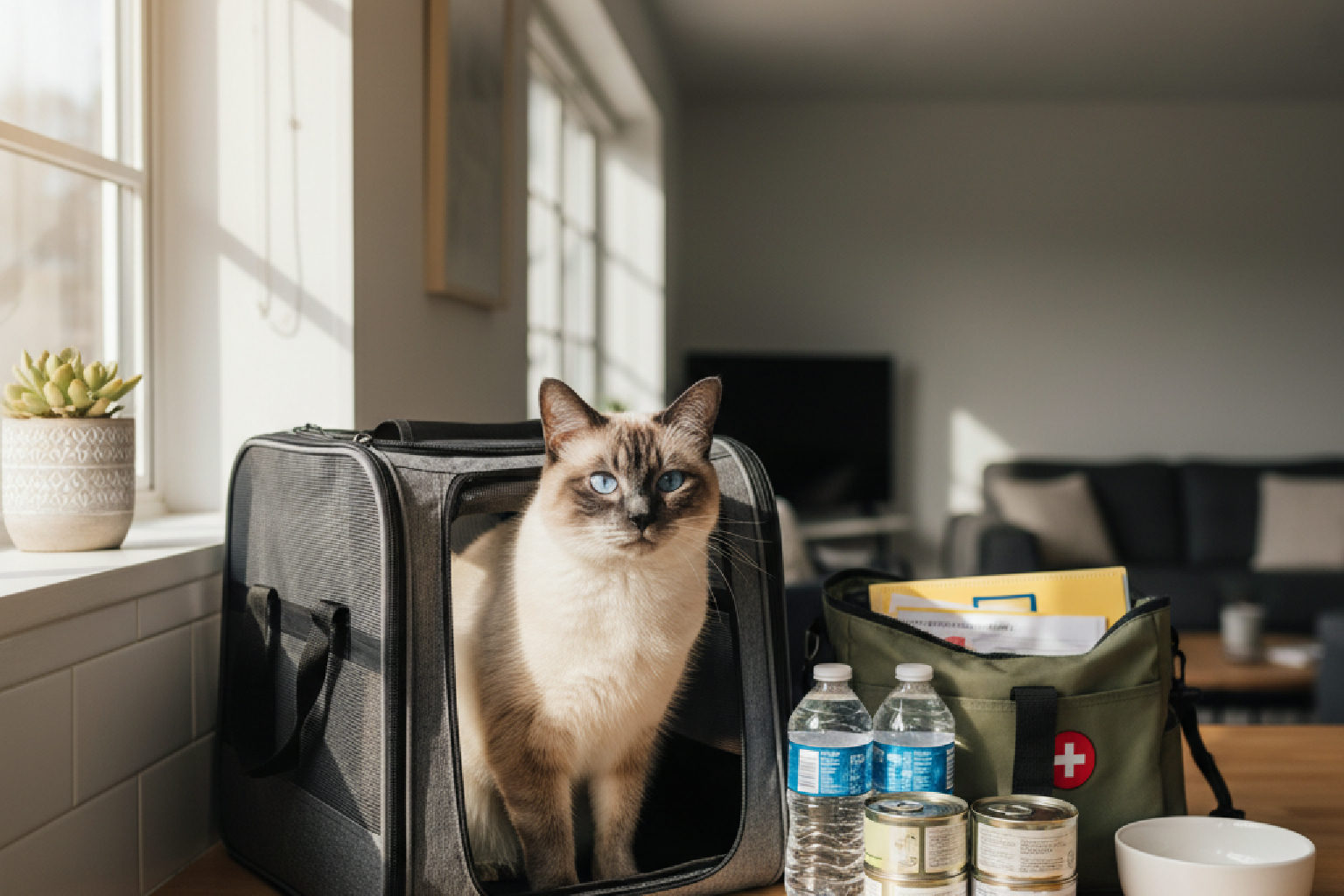
Living in Cypress, TX means we get to enjoy mild winters and beautiful springs—but it also means we're no strangers to hurricane season. Every year from June through November, I talk to pet owners at Hearthstone Animal Clinic who want to do right by their animals but aren't sure where to start when it comes to storm preparedness. After practicing veterinary medicine in this area since 2007, I've seen firsthand what works, what doesn't, and what can mean the difference between a stressful few days and a genuine tragedy.
Let me walk you through exactly how to prepare your pets for hurricane season—the same advice I give my own clients across the exam table.
What Should Be in Your Pet Emergency Kit?
I tell every client the same thing: if you wait until there's a storm in the Gulf to start gathering supplies, you're already behind. Build your kit now, check it every June, and keep it somewhere you can grab in five minutes.
The Non-Negotiables
- At least 7 days of food and water – More than you think you'll need. I had a family after Harvey who was displaced for nearly three weeks.
- Medications – A two-week supply of any prescription meds your pet takes. This includes heartworm prevention, seizure medications, insulin—anything they can't skip.
- Copies of medical records and vaccination certificates – Shelters require proof of rabies vaccination. Keep paper copies in a waterproof bag.
- Recent photos of your pet – If you get separated, a clear photo is worth a thousand words. Include one of you WITH your pet to prove ownership.
- Carrier or crate – Sized appropriately. Your cat needs to be able to stand and turn around; your dog needs enough room to lie down comfortably.
- Leash, collar, and harness – Even if your cat never wears one, have it ready. Stressed animals bolt.
- Sanitation supplies – Litter, litter box, poop bags, paper towels, trash bags, and a small bottle of enzymatic cleaner.
Often Overlooked But Important
- Comfort items – A familiar blanket or toy can reduce stress significantly in an unfamiliar environment.
- Pet first aid kit – Gauze, non-stick bandages, hydrogen peroxide (for inducing vomiting ONLY if instructed by a vet), and a digital thermometer.
- Feeding dishes – Collapsible bowls work great for evacuation kits.
- Contact information – Your vet's number (that's us at 281-859-9244), local emergency vet clinics, and poison control.
Is Your Pet's Microchip Information Up to Date?
This is the single most important thing I can stress. Microchips only work if your contact information is current. I've scanned lost pets after storms and reached disconnected phone numbers more times than I can count. It's heartbreaking.
Right now—today—go to your microchip company's website and verify your phone number, email, and address are correct. If your pet isn't microchipped yet, request an appointment and we can take care of that in about five minutes. The AVMA has excellent resources on how microchipping works and why it's so effective at reuniting lost pets with their families.
Also make sure your pet is wearing a collar with an ID tag that has your current cell phone number. Collars can come off, but they're still your first line of defense.
Where Can You Evacuate With Pets in the Cypress Area?
Here's the hard truth: not every shelter accepts pets, and many hotels that claim to be "pet-friendly" have size or breed restrictions. Don't assume—call ahead and confirm.
Your Options
- Pet-friendly hotels – Make a list of three or four along your likely evacuation route. Call them before hurricane season and ask specifically about their pet policy, deposits, and any breed or size restrictions.
- Friends or family – If you have relatives inland who can take you and your pets, this is usually the least stressful option for everyone.
- County emergency shelters – Harris County operates pet-friendly emergency shelters during major storms, but space fills up fast. Stay informed through local emergency management channels.
- Boarding facilities – Some kennels will accept evacuating pets, but they book up quickly when a storm is approaching. Have a backup plan.
Never leave your pets behind. I've seen the aftermath of owners who thought they'd only be gone a day or two. Animals left in homes during flooding face drowning, heat stroke, starvation, and extreme psychological trauma. If it's not safe for you to stay, it's not safe for them either.
How Do You Keep Pets Calm During a Storm?
Even if you shelter in place for a minor storm, the noise and pressure changes can be terrifying for dogs and cats. Here's what actually helps:
- Create a safe space – An interior room or closet away from windows. Some pets do better in their crate with a blanket draped over it.
- Background noise – A fan, white noise machine, or calming music can help mask thunder and wind sounds.
- Calming supplements or medications – If your pet has severe storm anxiety, talk to me before hurricane season about prescription options. We can discuss whether something like trazodone or gabapentin makes sense for your pet's situation.
- Stay calm yourself – Pets pick up on our anxiety. If you're pacing and panicking, they will too.
- Exercise beforehand – If you know a storm is coming, tire them out with a long walk or play session while it's still safe outside.
What If Your Pet Has a Medical Condition?
Pets with chronic conditions need extra planning. If your dog is diabetic, you need a cooler with ice packs for insulin. If your cat has kidney disease and eats prescription food, you need enough of that specific diet to last at least two weeks—not something you can grab at any store.
For senior pets or those with ongoing health issues, I recommend scheduling a wellness panel before hurricane season. This gives us a current baseline of their health and ensures any prescriptions are up to date with refills available.
If your pet requires oxygen therapy, fluids, or other specialized care, you need to know which emergency veterinary hospitals along your evacuation route can provide that level of support.
What Should You Do Immediately Before a Storm?
When a hurricane is 48-72 hours out, it's time to act:
- Fill all prescriptions – Don't wait. Pharmacies get overwhelmed and may close early.
- Top off your emergency kit – Fresh food and water, check medication expiration dates.
- Secure your yard – Bring in anything that could become a projectile. Make sure fencing is secure in case your pet escapes during or after the storm.
- Take current photos – On your phone, today. Include any identifying marks.
- Charge everything – Phone, portable battery packs, anything you might need.
- Know your route – If you're evacuating, decide on your destination and have a backup in case roads are closed.
After the Storm: What Pet Owners Need to Watch For
The danger doesn't end when the wind stops. Post-storm hazards include:
- Contaminated water – Standing floodwater can contain sewage, chemicals, and bacteria. Don't let your pet drink from puddles or walk through standing water.
- Debris and sharp objects – Inspect your yard carefully before letting pets outside. Nails, glass, and downed power lines are serious threats.
- Displaced wildlife – Snakes and other animals also evacuate to higher ground. Be cautious.
- Behavioral changes – Some pets experience anxiety or depression after traumatic events. If your pet isn't eating, is hiding excessively, or seems "off," give us a call.
When Should You Call Your Veterinarian?
Contact us if your pet:
- Was exposed to floodwater and is showing signs of illness (vomiting, diarrhea, lethargy)
- Has cuts, puncture wounds, or is limping
- Ran out of essential medication during the storm
- Is showing severe anxiety that isn't improving after the storm passes
- Hasn't eaten or had water for more than 24 hours
We at Hearthstone Animal Clinic work hard to reopen as quickly as safely possible after any major storm. Check our website and social media for updates on our status.
The time to prepare is now—not when there's a named storm spinning in the Gulf. If you have questions about your pet's emergency plan, need to update vaccines for shelter requirements, or want to discuss anxiety medication options, schedule a visit at Hearthstone Animal Clinic. We're here for you and your pets at (281) 859-9244, proudly serving Cypress, TX and the surrounding communities. Let's make sure this hurricane season, your whole family—furry members included—is ready.
Have a question about your pet?
Dr. Pelton and the Hearthstone team are here to help, the same day when it counts.
Get Your Pet Seen