
Leptospirosis in Cypress Dogs: Summer Rain and Standing Water Risks
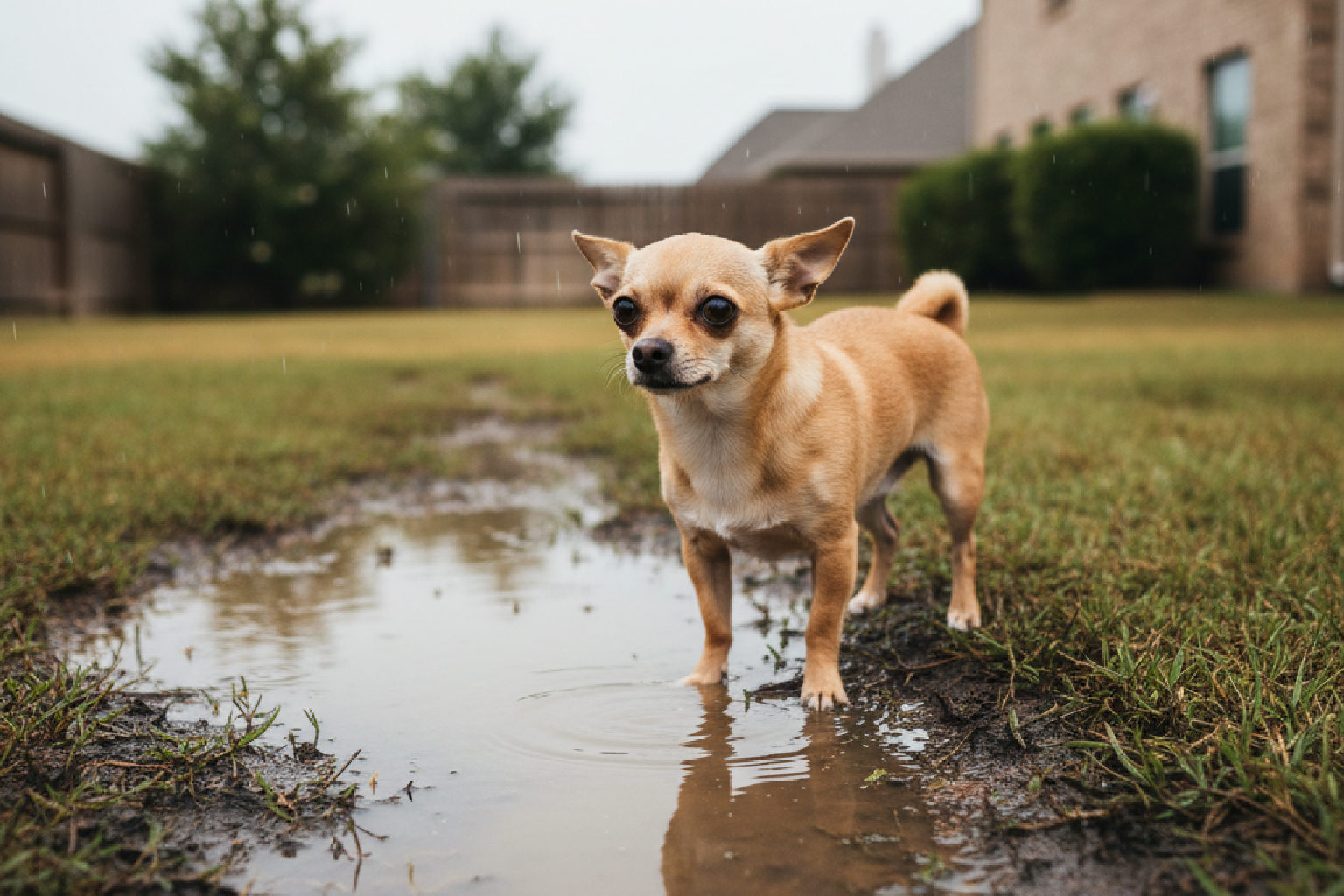
If you've lived in Cypress, TX for any length of time, you know summer means afternoon downpours followed by puddles that stick around for days. Your dog probably loves splashing through them. What most owners don't realize is that those puddles, and the wildlife that passes through your yard, create the perfect conditions for a bacterial infection that can be fatal: leptospirosis.
I see lepto cases at Hearthstone Animal Clinic every year, and they tend to cluster after heavy rains. The disease is treatable if caught early, but I've also seen dogs die from it because owners didn't know the risk existed. This is one of those preventable tragedies that keeps me up at night, so let me walk you through what you need to know.
What is leptospirosis, and how do dogs get it?
Leptospirosis is a bacterial infection caused by spiral-shaped bacteria called Leptospira. There are over 250 serovars (strains), and at least 8 can infect dogs. The bacteria live in the kidneys of infected animals, primarily wildlife like rats, raccoons, opossums, and squirrels, and get shed in their urine.
Here's where standing water becomes the problem. When an infected animal urinates near a puddle, drainage ditch, or flooded area, the bacteria survive in that water for weeks to months. Your dog drinks from the puddle, wades through it, or even just walks across contaminated mud, and the bacteria enter through mucous membranes (mouth, nose, eyes) or cuts in the skin.
Why Cypress and the Houston area have higher risk
We have the trifecta for leptospirosis transmission:
- Frequent heavy rainfall that creates standing water everywhere
- Warm temperatures year-round (the bacteria thrive above 50°F)
- High wildlife density, including rats and opossums that commonly carry lepto
The Companion Animal Parasite Council (CAPC) lists Harris and surrounding counties as having above-average leptospirosis prevalence. This isn't a rural dog problem anymore. Suburban backyards with bird feeders, compost piles, or any standing water attract the wildlife that spreads it.
What are the symptoms of leptospirosis in dogs?
This is the tricky part. Early leptospirosis looks like a lot of other illnesses, which is why I often don't see dogs until they're already quite sick. The incubation period is typically 5 to 14 days after exposure.
Early signs (first few days)
- Fever (often 103-104°F)
- Lethargy and decreased appetite
- Muscle pain or reluctance to move
- Vomiting
Progressive signs (as the infection advances)
- Increased thirst and urination (kidney damage)
- Decreased urination or no urination (kidney failure)
- Yellowing of the gums, eyes, or skin (liver damage, jaundice)
- Bloody urine or dark-colored urine
- Bleeding from gums or under the skin (petechia)
- Difficulty breathing (if lungs are affected)
The bacteria primarily attack the kidneys and liver. In severe cases, dogs develop acute kidney failure, liver failure, or both. That's when we start losing them.
How is leptospirosis diagnosed and treated?
When I suspect lepto, I run bloodwork immediately looking at kidney and liver values. A dog with significantly elevated BUN, creatinine, and liver enzymes, combined with the right history and symptoms, gets treated as a lepto case while we wait for confirmation.
Definitive diagnosis comes from either a PCR test (detecting bacterial DNA in blood or urine) or a paired antibody titer taken 2-4 weeks apart. The problem is that waiting for confirmation can cost precious time, so I start treatment based on clinical suspicion.
Treatment approach
Leptospirosis is treated with antibiotics, typically doxycycline for 2-4 weeks. But the antibiotic is just one part. Many dogs need:
- IV fluid therapy to support failing kidneys
- Anti-nausea medications
- Liver support
- Hospitalization for monitoring (often 3-7 days in severe cases)
Treatment costs vary widely based on severity. A mild case caught early might run $500 to $1,000 with outpatient treatment. A dog in kidney failure needing hospitalization and intensive care can easily reach $3,000 to $6,000 or more. I've seen dogs need dialysis at specialty centers, which pushes costs higher still.
The survival rate for treated dogs is around 80-90% if caught before complete kidney or liver failure. Dogs that do recover sometimes have permanent kidney damage requiring lifelong management. Early treatment matters enormously.
Can leptospirosis spread to humans?
Yes, and this is something I always discuss with owners. Leptospirosis is zoonotic, meaning it can spread from animals to people. Humans typically get infected through contact with urine from an infected animal (including a sick pet) or contaminated water.
If your dog is diagnosed with lepto, your veterinarian will give you specific instructions on handling the dog's urine, disinfecting areas they've soiled, and watching for symptoms in yourself. The CDC reports several hundred human cases in the U.S. each year, and it can cause serious illness in people too.
Immunocompromised family members, pregnant women, and young children should take extra precautions around a dog being treated for leptospirosis.
Does the leptospirosis vaccine work?
The short answer: yes, but with some caveats.
The current leptospirosis vaccine covers 4 serovars (L. canicola, L. icterohaemorrhagiae, L. grippotyphosa, and L. pomona). These are the strains most commonly causing disease in dogs. The vaccine doesn't cover all possible serovars, but it covers the ones most likely to make your dog sick.
What I see in practice
Vaccinated dogs can still get leptospirosis, but the infection is usually much milder and rarely fatal. The vaccine significantly reduces the severity of disease even if it doesn't provide 100% protection against every strain. That tradeoff is worth it in an area like Cypress.
The vaccine requires an initial series (two shots, 3-4 weeks apart), then annual boosters. In high-risk dogs, like hunting dogs or dogs that frequently swim in natural water sources, some veterinarians recommend boosting every 6 months.
Side effects to know about
The lepto vaccine historically had a reputation for more reactions than other vaccines, particularly in small dogs. Modern vaccines have improved, but I still see occasional:
- Mild lethargy and decreased appetite for 24-48 hours
- Swelling at the injection site
- Rare allergic reactions (facial swelling, hives, vomiting)
For very small dogs (under 10 pounds), I discuss the risk-benefit calculation with owners. A Yorkie who never goes outside except on a leash in your backyard has different risk than a Labrador who swims in every drainage ditch. That said, I vaccinate most dogs in our area because the wildlife exposure is nearly universal in Cypress yards.
How can I reduce my dog's leptospirosis risk?
Vaccination is your best protection, but common-sense measures help too:
- Don't let your dog drink from puddles, ponds, or standing water
- Eliminate standing water in your yard (flower pot saucers, kiddie pools, clogged gutters)
- Discourage wildlife by securing trash cans and not leaving pet food outside
- Keep your dog out of flooded areas after heavy rains
- If your dog swims in lakes or bayous, rinse them off afterward
I know you can't control everything. Dogs are fast, and a quick slurp from a puddle happens before you can say "leave it." That's exactly why I recommend the vaccine for most Cypress dogs.
When should you get your dog seen?
If your dog develops fever, lethargy, vomiting, or loss of appetite within 2 weeks of potential exposure (heavy rain, known puddle drinking, wildlife contact), don't wait to see if it gets better. Early lepto looks like many other illnesses, but the window for effective treatment is narrow.
These symptoms warrant same-day evaluation:
- Yellowing of the gums or eyes
- Significant increase or decrease in urination
- Bloody or dark-colored urine
- Unexplained bleeding or bruising
If you're unsure whether your dog is current on leptospirosis vaccination, or if you have questions about whether the vaccine makes sense for your specific dog's lifestyle, we can review that at your next wellness visit. If your dog is showing concerning symptoms now, don't wait.
At Hearthstone Animal Clinic, we can run bloodwork the same day and start treatment if needed. Summer in Cypress means rain, and rain means lepto risk. If your dog is sick and you're worried, schedule a visit or give us a call at (281) 859-9244. This is one of those situations where a few hours can make the difference between a straightforward recovery and a fight for your dog's life.
Have a question about your pet?
Dr. Pelton and the Hearthstone team are here to help, the same day when it counts.
Get Your Pet Seen