
Microchipping Your Pet Before July 4th: Lost-Pet Prevention in Cypress
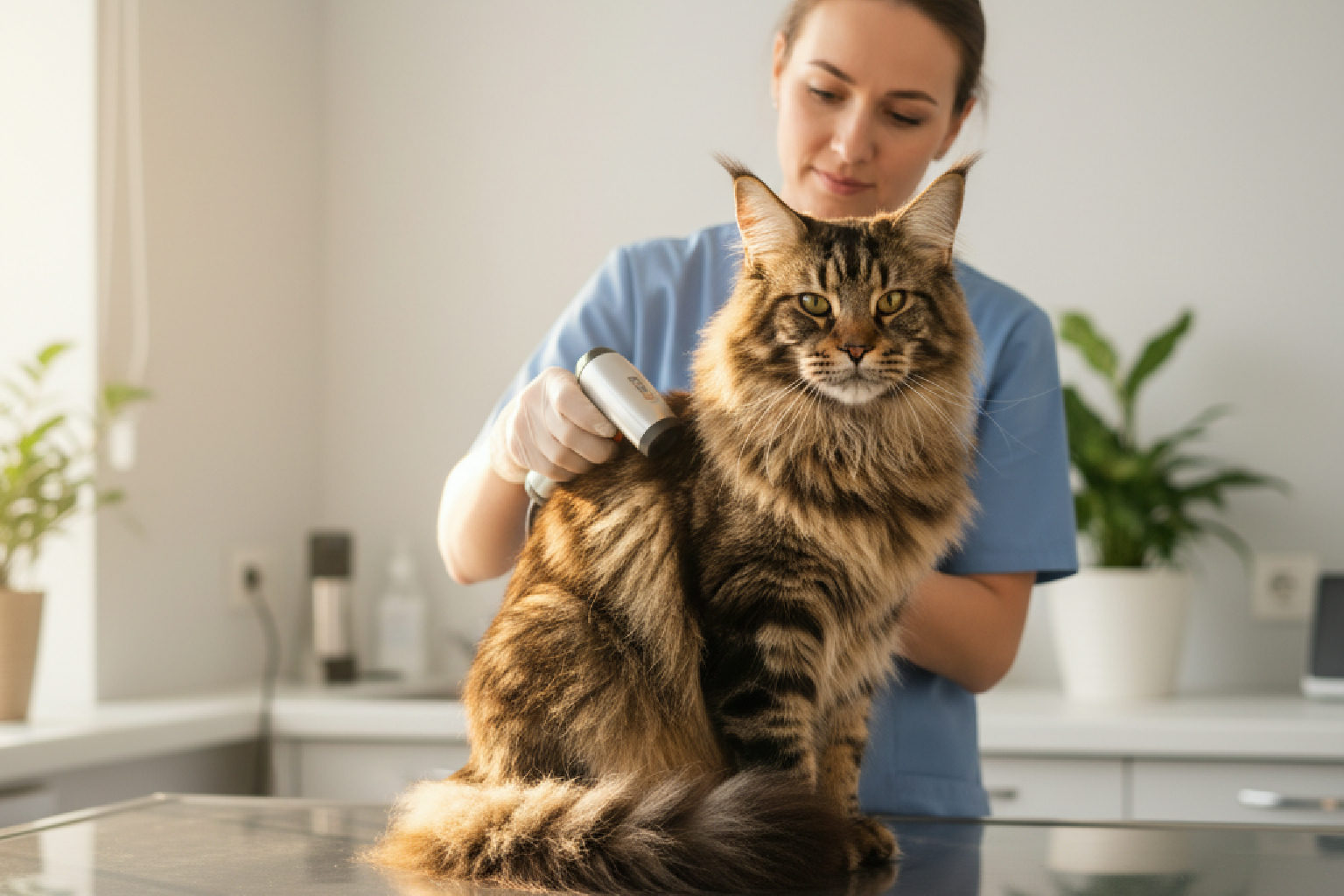
Every July 5th, I brace myself. The phones at Hearthstone Animal Clinic start ringing early, and the stories are heartbreakingly similar: "My dog bolted during the fireworks." "Our cat got out when guests were coming and going." "We've been driving around Cypress all morning looking for him." After 25 years in veterinary medicine—18 of them right here in Cypress, TX—I can tell you that July 4th weekend produces more lost pets than any other time of year. And the single best thing you can do to protect your pet is something that takes about 15 seconds: getting them microchipped.
Why Do So Many Pets Go Missing on July 4th?
It's not just the fireworks, though those are the big trigger. The entire holiday weekend is a perfect storm of escape opportunities:
- Loud, unpredictable noises that terrify even calm pets into panic mode
- Doors opening and closing constantly as guests arrive for cookouts
- Unfamiliar people who may not realize your cat is an indoor-only cat or that your dog is a flight risk
- Backyard gates left open by well-meaning visitors
- Traveling to unfamiliar locations for family gatherings
I had a client last summer who lost her Beagle during a barbecue—not during the fireworks, but at 2 PM when a cousin left the side gate unlatched. The dog was found three days later and 12 miles away. The only reason she got him back? His microchip.
What Is a Pet Microchip and How Does It Work?
A microchip is a tiny transponder—about the size of a grain of rice—that I inject under your pet's skin, usually between the shoulder blades. It contains a unique identification number. That's it. No GPS, no battery, no moving parts. It just sits there, harmless and permanent, waiting to do its job.
How Scanners Read the Chip
When a lost pet is brought to a shelter, vet clinic, or rescue organization, the first thing we do is wave a scanner over them. If there's a chip, the scanner picks up the ID number. We then look up that number in a national database, which pulls up your contact information. Within minutes, we're calling you.
According to the American Veterinary Medical Association, microchipped dogs are returned to their owners more than 52% of the time, compared to about 22% for dogs without chips. For cats, the difference is even more dramatic—microchipped cats are returned home 38% of the time versus less than 2% for cats without chips.
How Much Does Pet Microchipping Cost?
This is one of those rare situations where I get to tell people something costs less than they expect. At most clinics, including here at Hearthstone, microchipping typically runs between $45-$65. That includes the chip itself, the injection, and registration in a national database.
Compare that to the cost of lost pet searches—flyers, rewards, your time driving around, the emotional toll—and it's honestly one of the best values in preventive pet care. Many owners also choose to have it done during a spay or neuter procedure, like our laparoscopic spay program, since the pet is already sedated, though sedation isn't necessary. The injection takes seconds and most pets react less than they do to a routine vaccine.
Does Microchipping Hurt? Is It Safe?
I won't lie to you—the needle is larger than a vaccine needle, so there's a quick pinch. Most dogs and cats flinch momentarily and then look at me like, "That's it?" Puppies and kittens handle it beautifully. I've microchipped thousands of pets, and I can count on one hand the number who needed more than a treat and a head scratch afterward.
What About Side Effects?
Serious complications are extremely rare. Occasionally, a chip can migrate slightly from the original injection site—this doesn't affect its function, just means we might find it near the shoulder instead of between the shoulder blades. There's no ongoing maintenance, no batteries to replace, and the chip lasts your pet's entire lifetime.
My Pet Already Wears a Collar and Tags—Isn't That Enough?
Collars and ID tags are absolutely important—they're the first thing a Good Samaritan will check. But here's what I see in practice:
- Collars come off. A panicked dog running through brush can lose a collar in seconds. Cats are especially good at slipping out of collars, which is actually a safety feature to prevent strangulation.
- Tags become unreadable. Metal tags wear down. Phone numbers change. The tag your puppy got three years ago may not have your current contact info.
- Some pets don't wear collars indoors. Your indoor cat doesn't need a collar—until the day she darts out the door during the July 4th party.
I always recommend the belt-and-suspenders approach: collar with current ID tags AND a microchip. The collar gets your pet home fast if a neighbor finds them. The microchip gets your pet home if they end up at a shelter three counties away.
How Do I Keep My Microchip Information Updated?
Here's where the system breaks down more often than it should: the chip is only as good as the contact information linked to it. I scan lost pets all the time and find chips registered to old phone numbers, previous owners, or addresses from two moves ago.
Steps to Update Your Information
- Find your pet's microchip number (it should be in your adoption paperwork or vet records—we can look it up for you anytime)
- Identify which registry company manages your chip (common ones include HomeAgain, PetLink, and AVID)
- Log into their website or call their customer service line
- Update your phone number, address, and emergency contact
This takes maybe 10 minutes and costs nothing. If you're not sure whether your pet is microchipped or whether the information is current, bring them by and we'll scan them for free. We do this regularly as part of our wellness services.
What Else Can I Do to Prevent July 4th Escapes?
Microchipping is your safety net, but prevention is always better. Here's what I tell my clients in Cypress every June:
- Exercise your dog early in the day, before neighborhood fireworks start
- Create a safe space—a quiet interior room with white noise or calming music
- Keep cats indoors starting July 3rd through July 5th
- Make sure ID tags are current and securely attached
- Take a current photo of your pet—you'll need it if they go missing
- Consider anxiety medication for pets with severe noise phobia (talk to us ahead of time—this isn't a day-of conversation)
For dogs with significant anxiety or stress responses, we sometimes discuss prescription options like trazodone or sileo. But that's a conversation we need to have before the holiday, not when the fireworks are already booming.
When Should I Get My Pet Microchipped?
The short answer: now. The slightly longer answer:
- Puppies and kittens can be microchipped as young as 8 weeks
- Newly adopted pets should be chipped immediately (or verify their existing chip is registered to you)
- Before any high-risk event—July 4th, moving to a new home, traveling
- Senior pets who've never been chipped—it's never too late
If July 4th is approaching and your pet isn't microchipped, don't wait. This is a quick appointment we can often fit in the same week.
Ready to Protect Your Pet Before the Fireworks Start?
If your dog or cat isn't microchipped yet—or if you're not sure whether their chip information is current—let's get that squared away before the holiday chaos begins. Microchipping takes minutes, costs less than a nice dinner out, and could be the thing that brings your pet home to you. Schedule a visit at Hearthstone Animal Clinic or give us a call at (281) 859-9244. We're right here in Cypress, TX, and we'd much rather see your pet for a quick microchip appointment than get that heartbreaking "my pet is missing" phone call on July 5th.
Have a question about your pet?
Dr. Pelton and the Hearthstone team are here to help, the same day when it counts.
Get Your Pet Seen