
Summer Allergies in Cats: Skin and Itch Symptoms in Cypress, TX
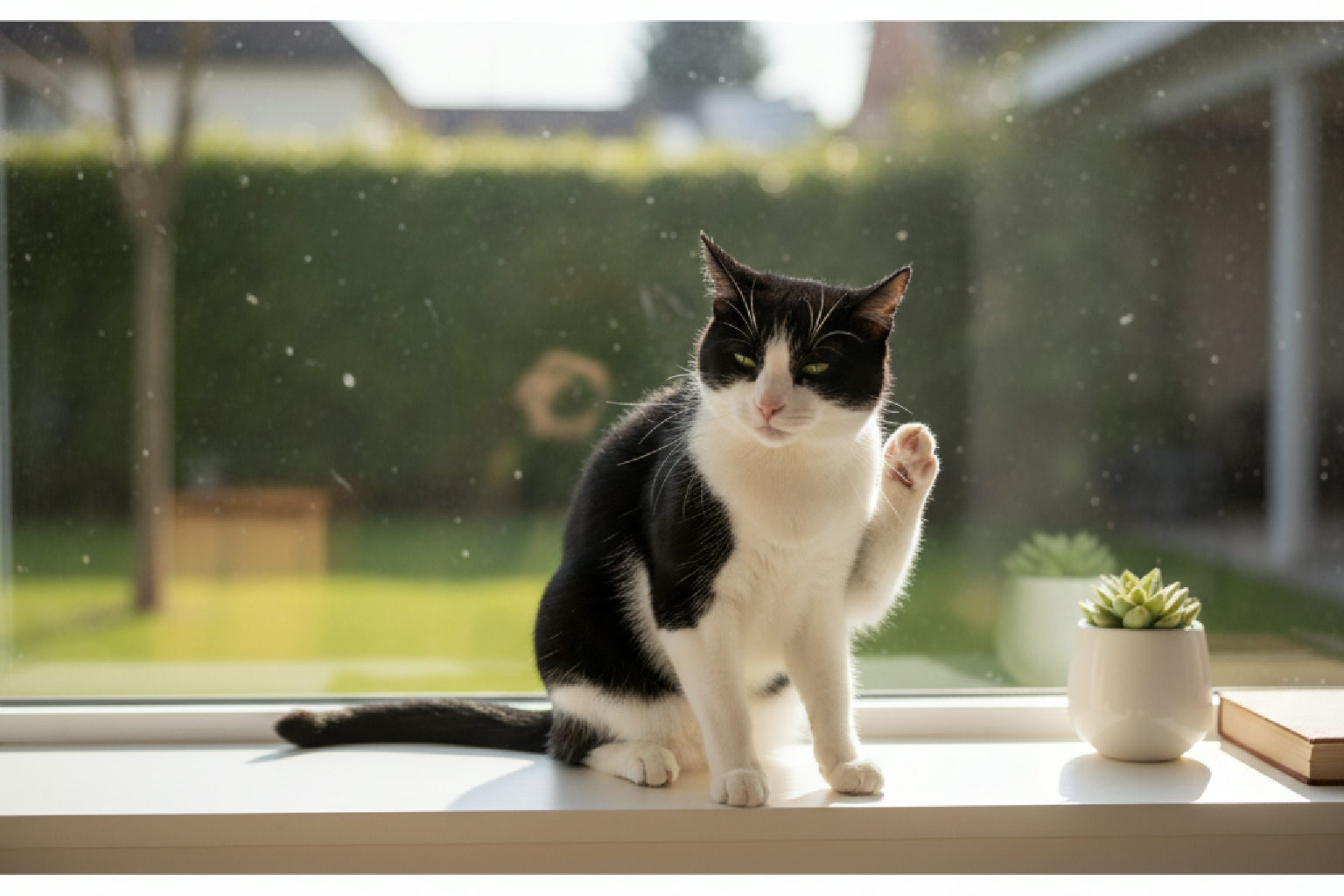
If your cat has been scratching more than usual, pulling out fur, or developing little scabs along the back of the neck, you're not imagining things. Summer in Cypress, TX is prime allergy season for cats, and I see the fallout in my exam room at Hearthstone Animal Clinic almost every day from May through October.
Cats don't show allergies the way dogs do. They're subtler about it, which means owners often miss the early signs or chalk it up to "just grooming." But by the time you notice bald patches or crusty bumps, your cat has probably been miserable for weeks. Let me walk you through what summer allergies actually look like in cats, why Cypress is particularly rough on them, and what actually works.
Why do cats get worse allergies in summer?
The short answer: pollen counts explode, humidity traps allergens, and fleas thrive. Houston-area summers combine all three into a perfect storm for allergic cats.
Environmental allergens (grass, tree, and weed pollens, mold spores) peak between April and September here. Unlike dogs that often inhale allergens and sneeze, cats absorb most of these through their skin. The result is inflammation that shows up as itching, not respiratory symptoms.
Flea allergy dermatitis is the other big culprit I see spiking in summer. A single flea bite can trigger an allergic reaction in sensitive cats that lasts two to three weeks. Texas is one of the worst states for fleas because our winters don't kill them off. If your cat goes outside at all, or if you have dogs that do, fleas are always in the conversation.
What does a summer allergy look like on a cat?
This is the part most owners miss, and it's not their fault. Cats hide discomfort, and they groom constantly anyway. Here's what to actually watch for:
The classic signs
- Over-grooming: Licking the belly, inner thighs, or flanks until the fur thins or disappears. The skin underneath often looks normal, which confuses owners.
- Miliary dermatitis: Tiny, scabby bumps (like millet seeds) along the back, neck, and base of the tail. You'll feel them before you see them.
- Head and neck scratching: Cats with allergies often scratch the face, ears, and neck until they create sores.
- Hair loss without obvious skin disease: Symmetrical bald patches on the belly or legs, with skin that looks fine. This is almost always allergic.
Less obvious signs
- Ear infections or excessive ear wax (allergies drive about 50% of feline ear problems)
- Chin acne (those black specks on the chin that look like dirt)
- Lip ulcers or a swollen lower lip (eosinophilic granuloma complex, which is allergy-driven)
If your cat has any combination of these, especially if it started or worsened in the warmer months, allergies are at the top of my list.
Is it allergies or something else?
Before I treat for allergies, I have to rule out the mimics. A cat with hair loss and itching could have:
- Fleas (even if you don't see them, flea allergy dermatitis is still possible)
- Ringworm (a fungal infection, not a worm, common in younger cats)
- Mites (ear mites or body mites like Cheyletiella)
- Food allergy (causes the same skin symptoms, but doesn't follow a seasonal pattern)
- Stress-related over-grooming (psychogenic alopecia, though this is rarer than people think)
The workup usually involves a thorough exam, a flea comb check, and sometimes a skin scraping or fungal culture. If we've ruled out parasites and infection and the symptoms match the season, environmental allergy is the diagnosis. That's called atopic dermatitis (atopy), and it's a lifelong condition we manage rather than cure.
How are summer allergies treated in cats?
Treatment depends on severity. A mildly itchy cat needs different management than one who's scratched her neck raw.
Step one: flea control (always)
Every itchy cat in Cypress gets year-round flea prevention, period. Even indoor cats, because fleas hitchhike on people and other pets. I recommend Revolution or Imoxi for cats. Both are topical, effective against fleas, and Revolution also covers ear mites and some intestinal parasites. If fleas are part of the problem, strict prevention for three months is often enough to see dramatic improvement. The Companion Animal Parasite Council recommends year-round prevention in our climate, and I agree completely.
Step two: break the itch cycle
For moderate to severe allergies, I usually reach for one of these:
- Steroid injection or short course of oral prednisolone: Fast, effective, and inexpensive (typically $30-60 for an injection). Steroids work well in cats and they tolerate them better than dogs do. I use these for flare-ups, not long-term control, because chronic steroid use increases diabetes risk in cats.
- Cyclosporine (Atopica for Cats): An immunosuppressant that controls allergic inflammation without steroids. It takes 4-6 weeks to see full effect, and it's pricier ($60-90/month for most cats), but it's my go-to for cats who need ongoing management.
- Antihistamines: I'll be honest, these help maybe 20-30% of allergic cats. Chlorpheniramine and cetirizine are the ones I try, but don't expect miracles.
Cytopoint and Apoquel, the drugs that have transformed dog allergy management, are not approved or consistently effective for cats. I get asked about them often, but they're not options for feline patients right now.
Step three: reduce allergen exposure
This helps at the margins:
- Wipe your cat down with a damp cloth after she's been outside or near open windows
- Run HEPA air filters in the rooms where she spends the most time
- Wash bedding weekly in hot water
- Keep grass cut short and limit outdoor access during high-pollen days
These steps won't eliminate allergies, but they can reduce the overall allergen load enough to make medications work better.
What about allergy testing and immunotherapy?
For cats with severe, year-round atopy that doesn't respond well to standard treatment, allergy testing can identify specific triggers. The test (either blood-based or intradermal skin testing done by a veterinary dermatologist) creates a profile we use to formulate allergen-specific immunotherapy (allergy shots or sublingual drops).
Immunotherapy works in roughly 60-70% of cats, but it takes 6-12 months to see results and requires a real commitment. It costs $300-500 for testing plus $20-40/month for the serum. If your cat's allergies are making life miserable despite other treatments, this is worth discussing.
When should you bring your cat in?
Don't wait until there are open sores. Bring your cat in if you notice:
- Persistent scratching, especially at the head, neck, or ears
- Bald patches or thinning fur
- Scabby bumps along the back or neck
- Any sores, swelling, or skin that looks red and angry
- Behavior changes (hiding more, eating less, seeming irritable)
Early treatment prevents secondary infections and keeps a mild problem from becoming a severe one. Cats with untreated skin allergies often develop bacterial or yeast infections that require antibiotics on top of allergy management.
The bottom line for Cypress cat owners
Summer allergies in cats are common, treatable, and often underdiagnosed because cats are so good at hiding their discomfort. If your cat's grooming has ramped up, if you're finding little scabs when you pet her, or if she's losing fur in patches, she's trying to tell you something.
If this sounds like your cat, let's figure out what's going on. You can schedule a visit at Hearthstone Animal Clinic or reach us at (281) 859-9244. We're in Cypress, TX, and I've been helping itchy cats (and their worried owners) get relief for over 17 years. The sooner we start, the sooner she stops scratching.
Have a question about your pet?
Dr. Pelton and the Hearthstone team are here to help, the same day when it counts.
Get Your Pet Seen