
Summer Ear Infections in Dogs: Houston Humidity and Swimming Causes
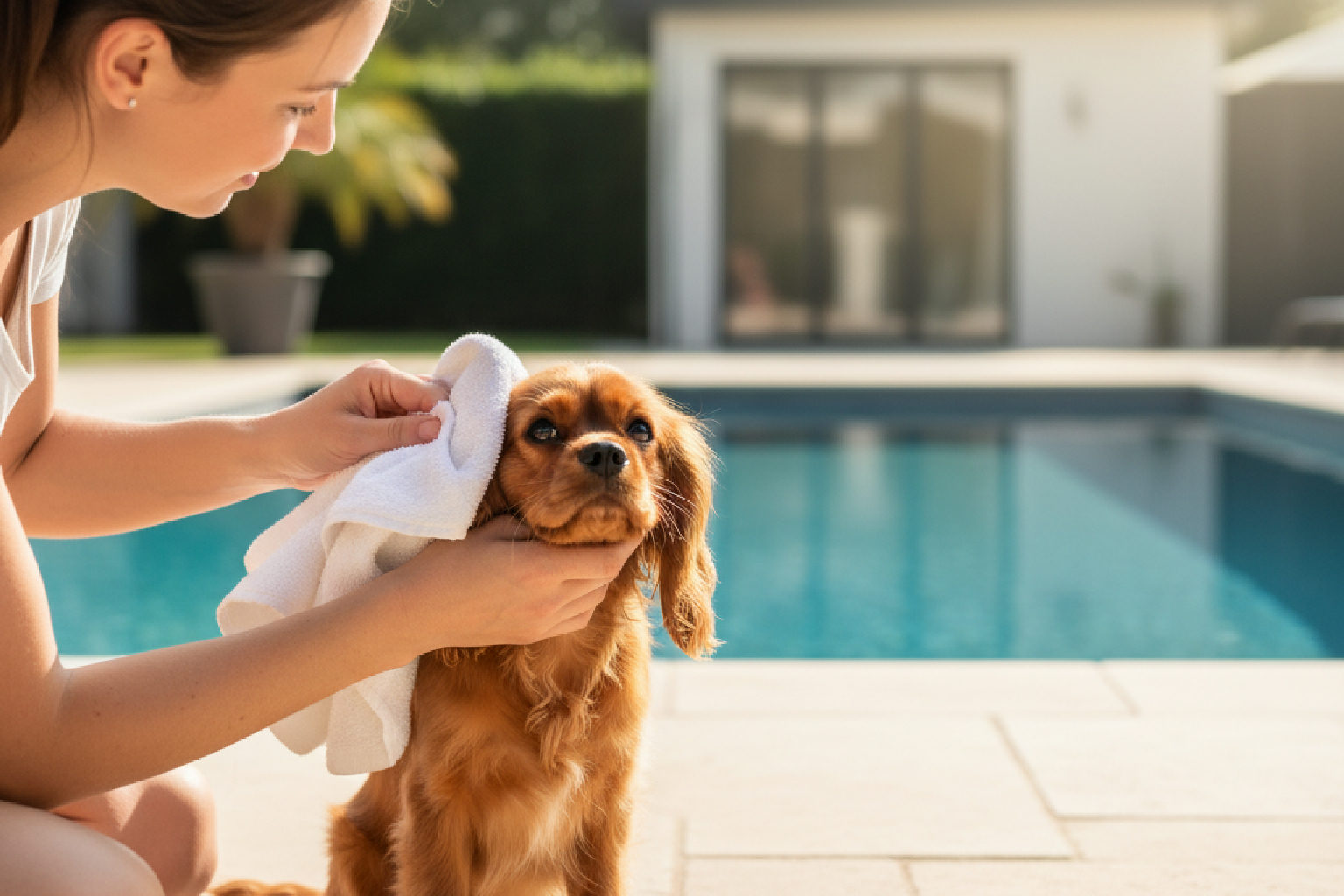
Every summer, my appointment book fills up with the same complaint: "Doc, my dog won't stop shaking his head." Here in Cypress, TX, we're smack in the middle of what I call ear infection season—that brutal stretch from May through September when Houston humidity and backyard pools turn healthy ear canals into breeding grounds for bacteria and yeast. At Hearthstone Animal Clinic, I probably see more ear infections in July than any other month. Let me walk you through exactly what's happening in your dog's ears, how to spot trouble early, and what actually works for treatment.
Here's something that surprises a lot of owners: the ear canal is skin. So the itchy dog and the dog with ear infections are often the same dog, and allergies are the most common reason ears keep coming back. Humidity and swimming just pile on top. If your dog's ears flare up every summer, I built a free page on itchydog.vet that walks through what's usually driving it: Why is my dog so itchy?.
Why Does Houston Humidity Cause Ear Infections in Dogs?
Here's the thing about dog ear anatomy that most owners don't realize: the canine ear canal isn't a straight shot like ours. It's shaped like an "L"—it goes down vertically, then makes a sharp turn horizontally toward the eardrum. That design is great for protecting the eardrum from debris, but it's terrible for drainage.
When Houston humidity sits at 80-90% (which is basically every day from June through September), that moisture gets trapped in your dog's ear canal. Add in the natural warmth of the body, and you've created a perfect incubator for:
- Yeast (Malassezia) – the most common culprit I see, produces that distinctive corn chip or musty smell
- Bacteria (Staphylococcus, Pseudomonas) – often secondary invaders that make things worse
- Ear mites – less common in adult dogs but worth mentioning
Dogs with floppy ears—Cocker Spaniels, Basset Hounds, Labs, Golden Retrievers—are hit hardest because those ear flaps trap even more moisture. But I see plenty of ear infections in prick-eared dogs too when the humidity is this brutal.
Does Swimming Make Dog Ear Infections Worse?
Absolutely, yes. I had a family bring in their Labradoodle last August who'd been swimming in their backyard pool every single day. Both ears were so infected and swollen I could barely get my otoscope in to look. The owners felt terrible, but honestly, they didn't know—and most people don't.
Here's what happens: water gets into the ear canal during swimming, and that "L" shape I mentioned means it doesn't just pour back out. The water sits there, softens the skin lining the ear canal, and disrupts the normal protective barrier. Within 24-48 hours, opportunistic yeast and bacteria move in.
High-Risk Swimming Situations
- Lakes and ponds – higher bacterial load than chlorinated pools
- Frequent swimmers – daily swimming without ear drying is asking for trouble
- Dogs who dive underwater – water gets forced deeper into the canal
- Post-bath moisture – even regular baths can trigger infections if ears aren't dried
I'm not saying your dog can't swim—that would be cruel in Texas heat. But you need to be proactive about ear care, which I'll cover below.
What Are the Signs of an Ear Infection in Dogs?
Catching an ear infection early makes treatment faster, cheaper, and less miserable for your dog. Here's what to watch for:
Early Warning Signs
- Head shaking or tilting
- Scratching at one or both ears
- Redness visible at the ear opening
- Mild odor from the ear
Signs of a More Serious Infection
- Dark brown or yellow discharge
- Strong, foul odor (yeast smells musty; bacterial infections often smell worse)
- Swelling of the ear canal or flap
- Pain when the ear is touched—your dog may pull away or cry
- Loss of balance or walking in circles (indicates possible middle ear involvement)
If your dog is showing any of the serious signs, don't wait. Ear infections that reach the middle or inner ear can cause permanent hearing damage or require much more aggressive treatment. You can get your pet seen the same day at our clinic if you're concerned.
How Do Veterinarians Treat Dog Ear Infections?
When you bring your dog in for an ear infection, here's what I do at Hearthstone Animal Clinic:
Step 1: Otoscopic Exam
I use an otoscope to look down into the ear canal and check the eardrum. This tells me how deep the infection goes and whether the eardrum is intact—which matters a lot for which medications I can safely use.
Step 2: Ear Cytology
I take a swab of the discharge and look at it under the microscope. This takes about two minutes and tells me whether we're dealing with yeast, bacteria, or both. It's not fancy, but it's the most important test for choosing the right treatment. The American Veterinary Medical Association recommends cytology for all ear infections because guessing at treatment often fails.
Step 3: Professional Ear Cleaning
If there's significant debris, I'll clean the ear thoroughly—sometimes this requires sedation if the ear is painful or the dog is anxious. You can't effectively treat an ear that's full of gunk.
Step 4: Medication
Most ear infections respond well to topical medications applied directly into the ear. Depending on what the cytology shows, I'll prescribe:
- Antifungal drops for yeast infections
- Antibiotic drops for bacterial infections
- Combination products that treat both plus reduce inflammation
Severe or chronic infections sometimes need oral antibiotics or antifungals, but I try to avoid that when topical treatment will work—it's easier on the dog's system and your wallet.
How Much Does Dog Ear Infection Treatment Cost?
I believe in being upfront about costs. Here's what you can typically expect:
- Office visit and ear exam: $50-75
- Ear cytology: $25-40
- Topical ear medication: $25-60 depending on the product
- Professional ear cleaning (if needed): $30-50 awake, more if sedation is required
A straightforward ear infection typically runs $100-175 total. Complicated cases—chronic infections, ruptured eardrums, or infections that need cultures—cost more. Check out our pricing page for more details on what to expect.
The real money-saver? Prevention and early treatment. A $15 bottle of ear cleaner used weekly can save you hundreds in vet bills.
How Can I Prevent Summer Ear Infections?
Prevention is honestly pretty simple if you stay consistent:
After Swimming or Bathing
- Dry the ears immediately – use a soft towel or cotton balls to absorb water from the ear canal opening
- Use a drying ear cleaner – products containing isopropyl alcohol or boric acid help evaporate moisture (ask us for recommendations)
- Never use Q-tips deep in the ear – you'll push debris further in and risk damaging the eardrum
Weekly Maintenance
- Clean ears once weekly with a veterinary ear cleaner during summer months
- Check ears regularly for redness, odor, or discharge
- Keep ear hair trimmed if your dog has a hairy ear canal (Poodles, Schnauzers, etc.)
If your dog has allergies, ear infections are often part of the package. Allergic inflammation in the ear canal creates the perfect setup for secondary infections. Managing the underlying allergies is key to breaking the cycle of recurring ear problems.
When Should I Call My Cypress Veterinarian About an Ear Infection?
Call us right away if you notice:
- Severe pain or your dog won't let you touch the ear
- Head tilting that doesn't resolve
- Loss of balance or coordination
- Ear infections that keep coming back despite treatment
- Any swelling of the ear flap (this could be an aural hematoma)
For mild cases caught early—a little redness, some head shaking—you can try a veterinary ear cleaner for a day or two. But if things aren't clearly improving within 48 hours, it's time for professional help. Ear infections don't resolve on their own, and delaying treatment just gives the infection time to get worse and more expensive to treat.
If your dog has been shaking their head, scratching at their ears, or you've noticed that telltale smell, don't wait for it to get worse. Give us a call at (281) 859-9244 or schedule a visit at Hearthstone Animal Clinic here in Cypress, TX. Summer ear infections are miserable for dogs, but they're very treatable—especially when we catch them early. Let's get your pup comfortable again.
Have a question about your pet?
Dr. Pelton and the Hearthstone team are here to help, the same day when it counts.
Get Your Pet Seen