
Summer Hot Spots in Dogs: Why Cypress Pets Get Itchy Skin Sores
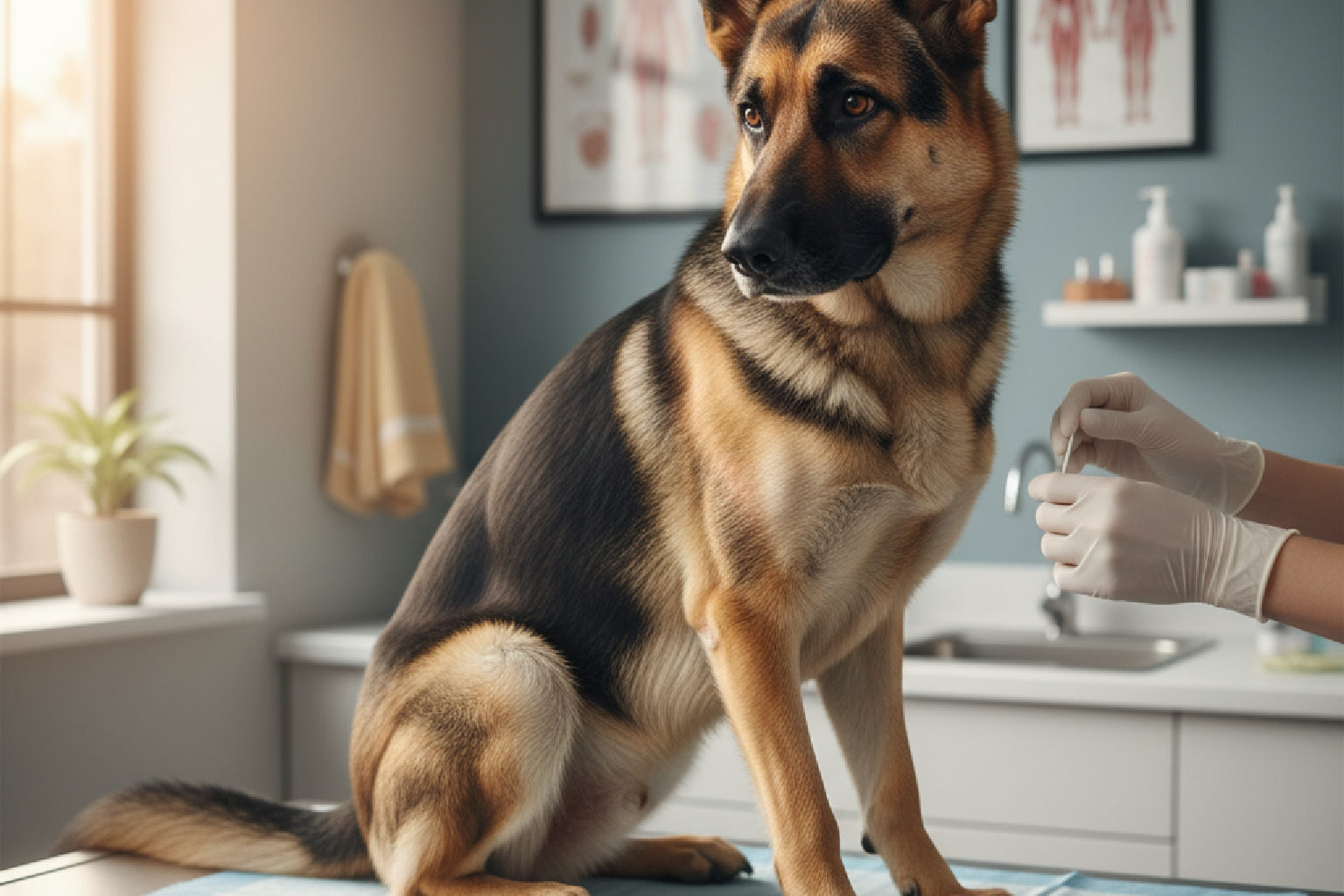
Every June, my exam rooms at Hearthstone Animal Clinic fill up with the same scene: a frustrated owner, a miserable dog, and a patch of angry, oozing skin that seemed to appear out of nowhere. Welcome to hot spot season in Cypress, TX. Between our humidity, our heat, and our impressive mosquito population, we've got the perfect recipe for these painful skin lesions—and I see them constantly from May through September.
If your dog is suddenly chewing at a raw, wet sore the size of a silver dollar (or bigger), you're dealing with what veterinarians call acute moist dermatitis—better known as a hot spot. Let me walk you through exactly what's happening and what to do about it.
If it's late and your dog won't leave the spot alone, my free itchy-dog site, itchydog.vet, has a page on what you can safely do for an itchy dog tonight, including which human allergy pills are safe for dogs and which ones are dangerous. Think of it as a stopgap, not a fix. A hot spot that's raw or spreading still needs to be seen, and the rest of this post explains why.
What Exactly Is a Hot Spot on a Dog?
A hot spot is essentially a bacterial skin infection that your dog creates and worsens through obsessive licking, chewing, or scratching. Here's the sequence I explain to owners:
- Something irritates the skin—a flea bite, an allergic reaction, a tiny scratch, moisture trapped under the coat
- Your dog starts licking or scratching to relieve the itch
- The trauma breaks the skin barrier, letting bacteria (usually Staphylococcus) invade
- Infection causes more itching, leading to more licking, more damage, more infection
This vicious cycle can turn a dime-sized irritation into a palm-sized oozing wound in less than 24 hours. I'm not exaggerating—I had a Golden Retriever in last week whose hot spot went from "barely noticeable" to "half his face" overnight.
Why Do Dogs in Cypress, TX Get So Many Hot Spots?
Geography matters. Our corner of Texas is basically a hot spot incubator, and here's why:
Humidity Traps Moisture in Thick Coats
When humidity hovers around 80-90% (which is most of summer here), thick-coated dogs never fully dry out after swimming, baths, or even morning dew. That trapped moisture creates the perfect environment for bacteria to thrive. Breeds like German Shepherds, Goldens, Labs, and Huskies are my frequent flyers for this reason.
Flea Season Is Basically Year-Round
Fleas love our mild winters and brutal summers equally. A single flea bite on a dog with allergies can trigger an intense scratch-fest that becomes a hot spot within hours.
Allergies Are Rampant
Between our oak pollen, grass allergies, and mold (thanks, humidity), environmental allergies keep Cypress dogs itchy from spring through fall. Allergic skin is already compromised—it doesn't take much to tip it into a full-blown hot spot.
What Does a Hot Spot Look Like?
Owners often describe them as "gross" or "like something out of a horror movie," and honestly, they're not wrong. Here's what to look for:
- Red, raw skin that looks like it's been rubbed raw (because it has)
- Oozing, sticky discharge—often yellow or slightly bloody
- Hair loss in a roughly circular pattern
- A distinct smell—infected hot spots have that sour, "yeasty" odor
- Heat—hence the name; the area is often warm to the touch
- Your dog won't leave it alone—constant licking, chewing, or rubbing
Hot spots most commonly appear on the head, neck, and hip area, but I've seen them everywhere. Ear infections often trigger hot spots below the ear, while flea allergies tend to cause them near the tail base and hips.
Can I Treat a Hot Spot at Home?
I'll be honest: most hot spots need professional treatment. That said, if you catch one very early—we're talking just starting, smaller than a quarter, and your dog isn't going crazy—you can try these steps:
Home Care for Mild Hot Spots
- Clip the hair around the area (with great caution—hot spots HURT)
- Clean gently with diluted chlorhexidine or plain saline
- Keep it dry—no ointments that trap moisture
- Prevent licking with an e-collar (the cone of shame earns its keep here)
If it's not significantly better in 24 hours—or if it's spreading, your dog seems painful, or there's significant swelling—stop the home treatment and call your vet. I see too many hot spots that became ten times worse because owners waited "just one more day."
How Does a Veterinarian Treat Hot Spots?
When you bring a hot spot case to us at Hearthstone, here's what typically happens:
The Basics
- Sedation (often)—these wounds hurt, and proper cleaning requires getting in there
- Clipping and cleaning—we need air exposure and can remove all the matted, infected debris
- Topical treatment—medicated sprays or solutions
Medications
- Oral antibiotics—usually a 2-3 week course for anything beyond superficial infection
- Anti-itch medication—this is crucial to break the itch-scratch cycle; we often use short-term steroids or medications like Apoquel
- Pain relief—hot spots are genuinely painful
Finding the Cause
Here's where I differ from some vets: I don't just treat the hot spot and send you home. If your dog gets recurrent hot spots, we need to figure out why. Is it fleas? Food allergies? Environmental allergies? An underlying skin condition? Without addressing the root cause, you'll be back in my exam room in a month with another one.
According to the American Animal Hospital Association's guidelines on allergic skin disease, identifying and managing underlying allergies is essential for preventing recurrent skin infections.
How Much Does Hot Spot Treatment Cost?
I believe in transparency about costs. Here's what you might expect:
- Simple hot spot (exam, cleaning, oral medications): $150-250
- Severe hot spot requiring sedation: $250-400
- Recurrent hot spots with allergy workup: $300-500+ depending on testing needed
If cost is a concern, mention it. We can usually work out a plan that addresses the immediate problem while spreading out the allergy investigation over time. You can also check out our pricing page for general information.
How Can I Prevent Hot Spots This Summer?
Prevention is always cheaper than treatment. Here's what I tell my Cypress clients every spring:
- Stay current on flea prevention—year-round, every month, no exceptions. This alone prevents a huge percentage of hot spots.
- Dry your dog thoroughly after swimming, baths, or getting caught in the rain. Pay special attention to the ears, neck folds, and under the collar.
- Regular grooming—especially for thick-coated breeds. Consider a summer trim (not a shave—that causes other problems).
- Address allergies proactively—if your dog gets itchy every summer, let's talk about prevention rather than waiting for the inevitable hot spot.
- Watch for early signs—catch the licking and scratching before it becomes a full disaster.
When Should I Call the Veterinarian About a Hot Spot?
Call us if you notice:
- Any hot spot larger than a quarter
- Rapid spreading or worsening
- Hot spots near the eyes or ears
- Your dog seems painful, lethargic, or is running a fever
- Home treatment hasn't improved things in 24 hours
- This is the second or third hot spot this summer
Don't feel bad about calling "too early." I'd much rather see a small hot spot that takes five minutes to treat than a raging infection that requires sedation, extensive cleaning, and weeks of medication.
Let's Get Your Dog Some Relief
If your dog is dealing with a hot spot—or you're noticing that early obsessive licking that tells me one is coming—don't wait for the weekend hoping it gets better. It won't. These things escalate fast in our Cypress summers, and early treatment makes a huge difference in your dog's comfort and your wallet. Give us a call at (281) 859-9244 or schedule a visit at Hearthstone Animal Clinic so we can get your pup feeling better fast. We're right here in Cypress, TX, and hot spots are something we handle every single day this time of year.
Have a question about your pet?
Dr. Pelton and the Hearthstone team are here to help, the same day when it counts.
Get Your Pet Seen