
Texas Summer Heat Safety for Dogs: A Cypress Vet's Guide
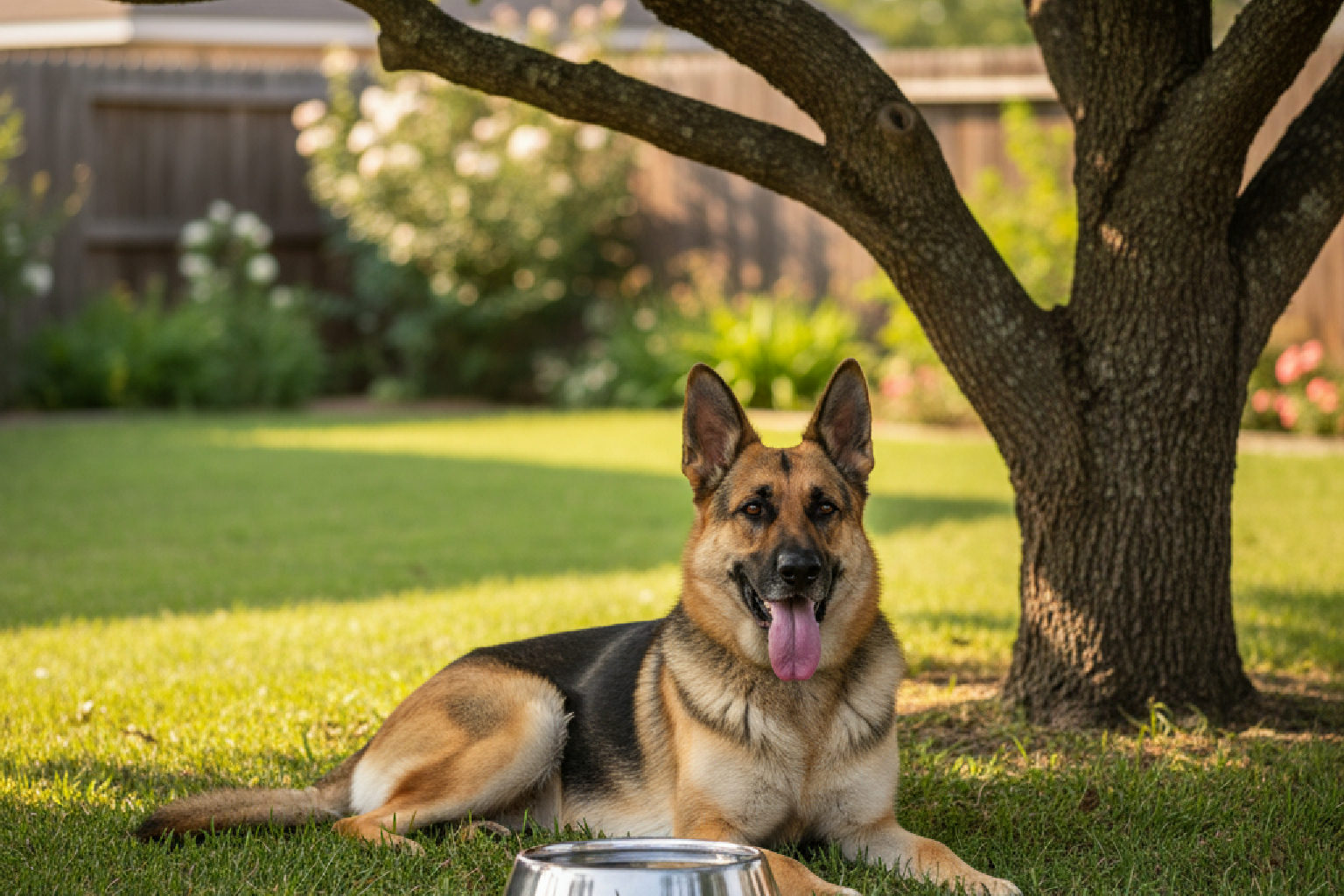
Every summer in Cypress, TX, I see at least a handful of dogs come through my doors at Hearthstone Animal Clinic suffering from heat-related emergencies—and the heartbreaking part is that almost every single case was preventable. Texas heat isn't just uncomfortable for our dogs; it can be deadly. After 25 years in practice, I want to share what I tell my clients across the exam table about keeping their dogs safe when temperatures climb into the 90s and beyond.
Why Is Texas Heat So Dangerous for Dogs?
Here's something I explain to owners all the time: dogs can't sweat like we do. They regulate body temperature almost entirely through panting and through the pads of their feet. When the air temperature hits 95°F with Houston-area humidity? That cooling system gets overwhelmed fast.
A dog's normal body temperature runs between 101°F and 102.5°F. Once they hit 104°F, you're in dangerous territory. At 106°F and above, organs start to fail. The scary part? A dog left in a parked car or exercised too hard on a hot afternoon can go from normal to critical in 15 minutes or less.
Dogs at Higher Risk
- Brachycephalic breeds (Bulldogs, Pugs, Boston Terriers, Boxers)—their shortened airways make cooling inefficient
- Senior dogs and puppies
- Overweight dogs
- Dogs with heart or lung conditions
- Thick-coated breeds (Huskies, Malamutes, Chows)
- Dogs with dark-colored coats
I had a young French Bulldog in last July who collapsed after just 10 minutes of fetch in a backyard with no shade. The owners did everything right getting him to me quickly, but it was still touch-and-go. These flat-faced breeds have almost zero margin for error in Texas summers.
What Are the Signs of Heatstroke in Dogs?
Knowing these signs can save your dog's life. When a dog is overheating, you'll typically see:
- Excessive, heavy panting that doesn't slow down
- Drooling—often thick, ropy saliva
- Bright red tongue and gums (later turning pale or blue)
- Glazed eyes or confusion
- Stumbling, weakness, or collapse
- Vomiting or diarrhea (sometimes bloody)
- Seizures in severe cases
The American Veterinary Medical Association emphasizes that heatstroke is a veterinary emergency requiring immediate action. If you see these signs, don't wait.
How Do I Cool Down an Overheated Dog?
If you suspect your dog is overheating, here's what I tell my clients to do before heading to the clinic:
- Get them out of the heat immediately—into air conditioning or shade
- Apply cool (NOT ice cold) water to their neck, armpits, and groin area
- Place cool, wet towels on these areas—but replace them frequently (they heat up fast)
- Offer small amounts of cool water to drink—don't force it
- Get to your vet immediately
Important: Don't use ice water or ice packs directly. I know that sounds counterintuitive, but extreme cold causes blood vessels to constrict, which actually traps heat in the core. Cool water works better and faster.
Can Hot Pavement Really Burn My Dog's Paws?
Absolutely—and this is something I don't think enough Cypress dog owners realize. When the air temperature is 95°F, asphalt in direct sun can reach 140°F or higher. That's hot enough to fry an egg, and it's definitely hot enough to cause serious burns to your dog's paw pads.
The 7-Second Test
Before any walk, place the back of your hand flat on the pavement. If you can't hold it there comfortably for 7 seconds, it's too hot for your dog's feet. Simple as that.
Timing Your Walks
During summer months, I recommend walking your dog:
- Before 8 AM—earlier is better
- After 8 PM—give the pavement time to cool
- Stick to grass, dirt paths, or shaded areas whenever possible
If you absolutely must go out during peak heat (bathroom emergencies happen), booties can protect paws—though most dogs need some adjustment time to walk in them without looking like they're on the moon.
Is It Ever Safe to Leave My Dog in a Parked Car?
No. The short answer is just no.
I've heard every justification: "I cracked the windows," "I was only gone five minutes," "I parked in the shade." Here's the reality: on an 85°F day, the inside of a car can reach 104°F in just 10 minutes. On a 95°F Texas day? You're looking at potentially lethal temperatures in under 5 minutes.
Cracking windows doesn't help nearly as much as people think. A study from Stanford showed cracked windows had almost no effect on the rate of temperature rise inside vehicles.
Leave your dog at home in the AC. Every time. No exceptions.
What About Exercise and Outdoor Activities in Summer?
Your dog still needs exercise, but you need to be smart about it. Here's my practical advice for active dogs in the Cypress area:
Adjust Your Routine
- Shift to early morning or late evening activities only
- Cut exercise intensity and duration by at least half during heat waves
- Always carry water—for both of you
- Take frequent breaks in shade
Swimming: Great with Caution
Swimming is excellent low-impact exercise that keeps dogs cool. But watch for blue-green algae in ponds and lakes, which can be toxic. Rinse your dog off after any outdoor swimming, and never let them drink from stagnant water.
Know Your Dog
Dogs don't always know their own limits—especially retrievers and other high-drive breeds. I've seen Labs chase balls until they literally collapse. It's your job to call the game before your dog overheats, even if they're giving you those "one more throw" eyes.
How Can I Keep My Dog Cool at Home?
Prevention is always easier than treatment. Here's what works:
- Air conditioning is non-negotiable during Texas summers—not a luxury
- Provide multiple water sources, and consider adding ice cubes
- Elevated cooling beds or damp towels to lie on
- Kiddie pools in shaded areas (supervised)
- Frozen treats: stuff a Kong with peanut butter and freeze it, or make dog-safe ice pops
- Ensure outdoor dogs have adequate shade and water at all times—though honestly, outdoor-only dogs in Texas summers worry me a lot
When Should I Call My Veterinarian?
Don't wait if you see signs of heat distress. Even if your dog seems to recover after cooling down, internal damage may have already occurred. Heatstroke can cause kidney failure, clotting disorders, and brain swelling that aren't immediately obvious.
Call us immediately if your dog:
- Has collapsed or seems disoriented after heat exposure
- Is panting heavily and won't stop, even in cool environments
- Has vomited or had diarrhea after being in the heat
- Has bright red or pale/blue gums
- Seems "not right" after outdoor time in hot weather
If your pet has any underlying health conditions, I'd recommend scheduling a visit to discuss their specific summer safety needs—our team can help you understand how conditions like heart disease or allergies might affect heat tolerance. You can also check out our full range of services to see how we support your pet's health year-round.
Texas summer heat is serious, but it's manageable when you know what to watch for. If your dog is showing any signs of heat distress—or you just want to talk through a summer safety plan—I'm here to help. Schedule a visit at Hearthstone Animal Clinic or call us at (281) 859-9244. We've been taking care of dogs and cats in Cypress, TX for nearly two decades, and keeping your pets safe through our brutal summers is something we take seriously.
Have a question about your pet?
Dr. Pelton and the Hearthstone team are here to help, the same day when it counts.
Get Your Pet Seen