
Traditional Spay vs. Laparoscopic Spay: Key Differences Explained
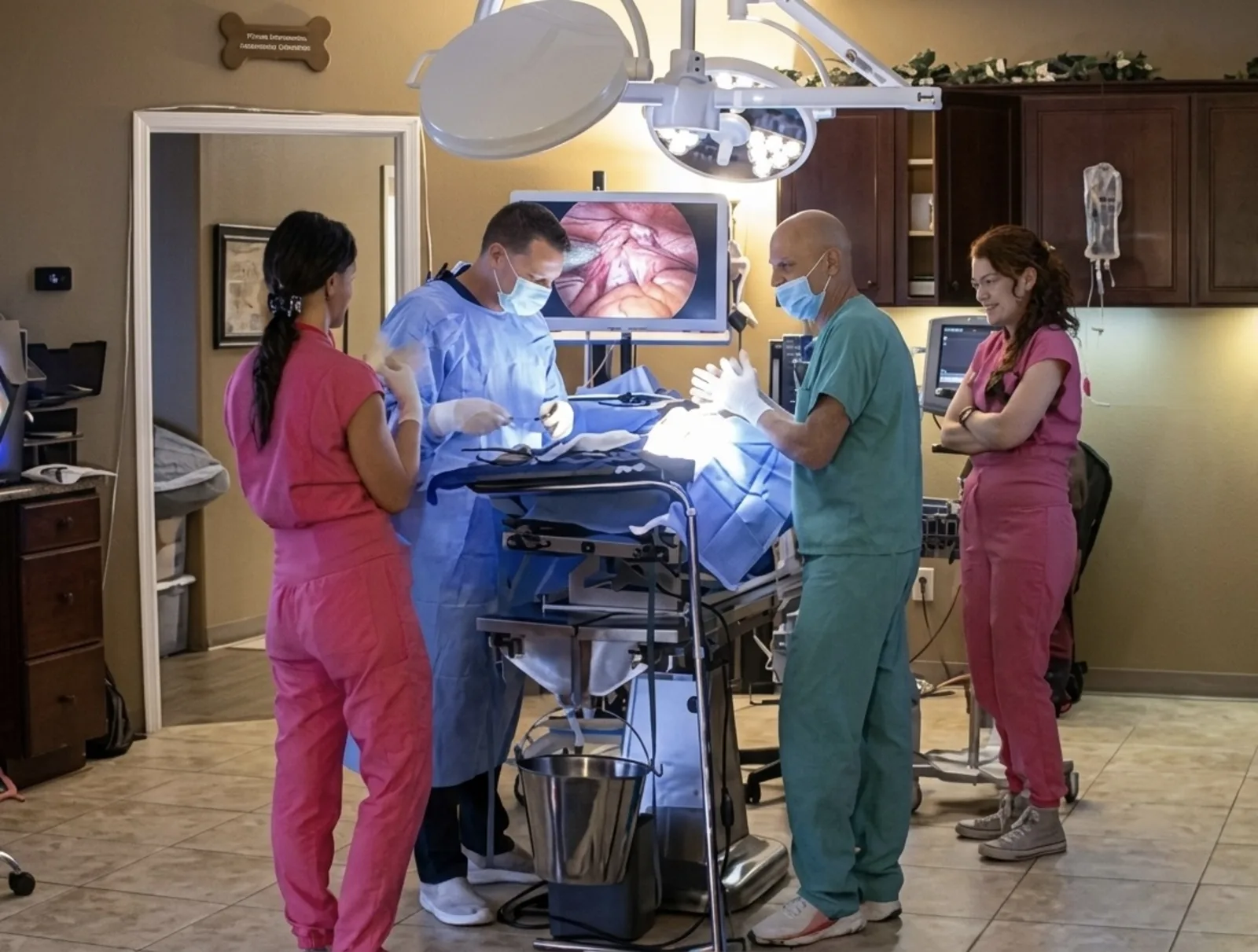
At Hearthstone Animal Clinic in Cypress, TX, we know that deciding to spay your pet is a crucial step in their health and well-being. But did you know there are different methods to consider? Understanding the differences between traditional spay and laparoscopic spay can help you make an informed decision for your furry companion.
What Happens During a Traditional Spay?
Understanding the Procedure
In a traditional spay, a veterinarian makes an incision in the abdomen to access the reproductive organs. This surgery involves the removal of the ovaries and often the uterus, a process technically known as an ovariohysterectomy. It’s a common procedure that’s been used for decades to prevent pregnancy and reduce the risk of certain diseases.
Recovery and Post-Op Care
Recovery from a traditional spay usually involves a couple of weeks of rest and restriction of activity. Your pet will need a comfortable space at home to recuperate, and you’ll need to monitor the surgical site for signs of infection, such as redness or swelling. It’s crucial to prevent your pet from licking or chewing at the stitches, often with the aid of an Elizabethan collar.
How Does a Laparoscopic Spay Differ?
The Laparoscopic Technique Explained
Laparoscopic spay, also known as minimally invasive spay, involves using a tiny camera and specialized instruments inserted through small incisions. This technique focuses on removing the ovaries, a procedure called an ovariectomy, and it requires less tissue disruption compared to traditional methods.
Benefits of Laparoscopic Spaying
- Reduced Pain: Smaller incisions mean less pain and discomfort for your pet.
- Faster Recovery: Pets often bounce back more quickly, with many returning to normal activities sooner than expected.
- Decreased Risk of Complications: The precision of the laparoscopic tools reduces the chance of bleeding and infection.
Which Method is Best for Your Pet?
Factors to Consider
Both spay methods are effective, but choosing the best one depends on several factors, including your pet’s age, health status, and your personal preferences. Discussing these options with your Cypress veterinarian at Hearthstone Animal Clinic can provide clarity tailored to your pet’s unique needs.
Consult with a Specialist
Our knowledgeable team can guide you through the pros and cons of each procedure, helping you choose the best path for your beloved pet. Whether it’s the lower cost of traditional spaying or the quicker recovery from laparoscopic surgery, we’re here to support you.
What are the Risks and Considerations?
Potential Complications
As with any surgery, both procedures carry some risk, though these are generally low. Risks include infection, anesthetic reactions, and bleeding. However, choosing an experienced veterinary team like ours at Hearthstone Animal Clinic helps minimize these risks.
Long-Term Health Benefits
Spaying your pet offers numerous health benefits, including the prevention of uterine infections and a reduction in the risk of certain cancers. It also helps control the pet population, sparing you the surprise of a litter of puppies or kittens.
When to Call Your Veterinarian
If your pet shows signs of distress post-surgery, such as vomiting, difficulty breathing, or excessive swelling at the surgical site, contact your veterinarian immediately. At Hearthstone Animal Clinic, we’re always ready to assist our Cypress community with expert advice and care.
Contact Hearthstone Animal Clinic for Expert Guidance
Deciding on the right spay method is an important step in ensuring your pet’s health. For more information or to schedule a consultation, call us at (281) 859-9244 or visit our website at hearthstonevet.com. Our Cypress, TX team is here to help your pet live a long, healthy, and happy life.
Have a question about your pet?
Dr. Pelton and the Hearthstone team are here to help, the same day when it counts.
Get Your Pet Seen