
Understanding and Managing Pet Food Allergies
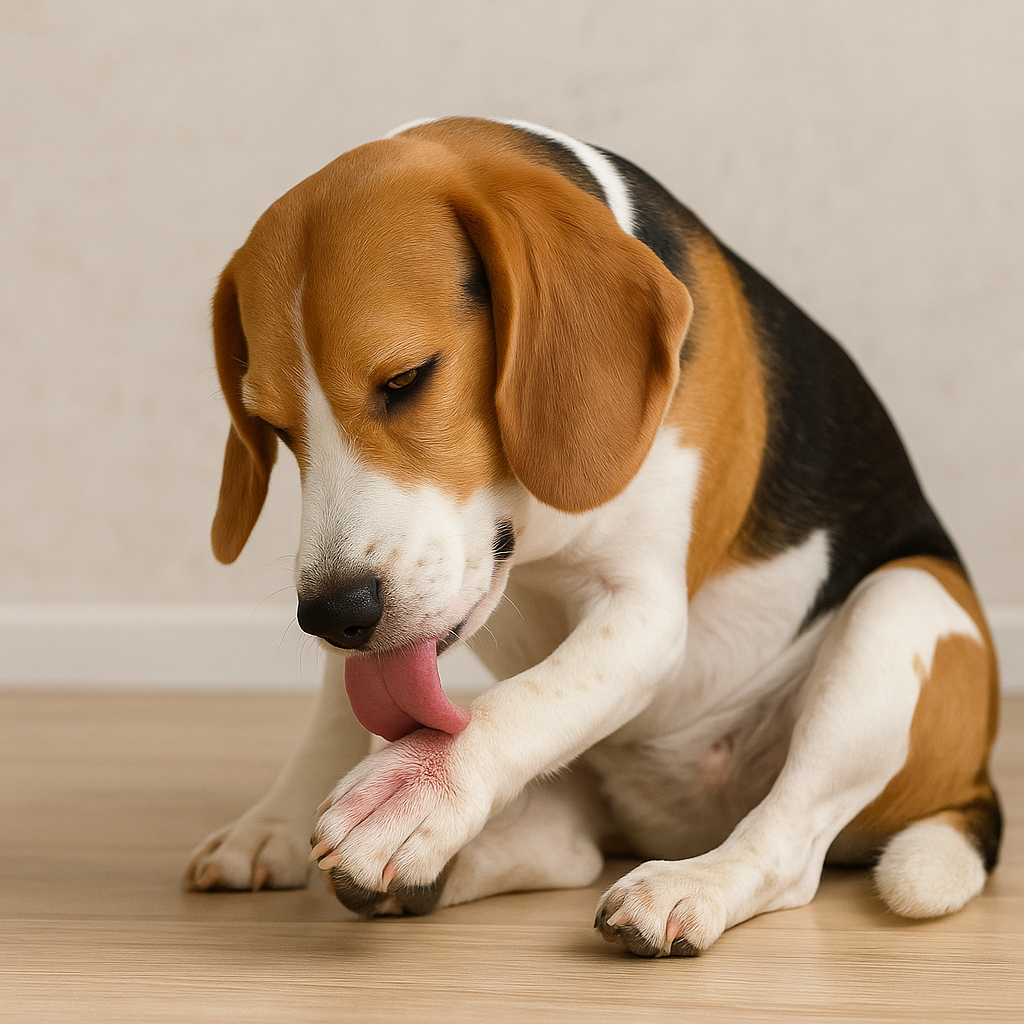
Understanding Food Allergies in Pets
Food allergies in pets can be a challenging situation for both pet owners and their beloved animals. Unlike food intolerances, which are digestive issues, food allergies involve an immune system reaction to a particular ingredient, often proteins like chicken, beef, or lamb. Although less common, grains can also be a culprit in some cases.
Common Symptoms of Food Allergies
Identifying food allergies in pets can be tricky as symptoms often overlap with other conditions. Typical signs include:
- Itchy skin, particularly around the face, paws, and ears
- Recurrent ear infections
- Gastrointestinal issues like vomiting or diarrhea
- Excessive licking or biting of the skin
- Hair loss or skin infections
If your pet shows these symptoms, it’s essential to consult your veterinarian for an accurate diagnosis and tailored treatment plan.
Diagnosing Food Allergies
The most reliable method for diagnosing food allergies is through an elimination diet trial. This involves feeding your pet a diet consisting of novel proteins and carbohydrates they have never eaten before. This process usually lasts 8-12 weeks. Throughout this period, your vet will guide you on monitoring symptoms and gradually reintroducing specific ingredients to identify the allergen.
Steps for an Elimination Diet Trial
- Consult your veterinarian to select the appropriate hypoallergenic diet.
- Feed your pet the prescribed diet exclusively, avoiding all treats, table scraps, and flavored medications.
- Monitor and record any changes in symptoms over the trial period.
- Reintroduce ingredients one at a time, under veterinary guidance, to identify the allergen.
Managing Food Allergies
Once the offending allergen is identified, long-term management involves avoiding it in your pet's diet. Here are some tips to help manage food allergies:
- Read Labels: Always check pet food labels to ensure they don’t contain the allergen.
- Home-Cooked Meals: Consider preparing meals at home with your vet's guidance to control ingredients.
- Consult a Veterinary Nutritionist: Get expert advice on creating a balanced diet that meets your pet's nutritional needs without triggering allergies.
- Regular Vet Check-ups: Schedule regular visits to your vet to monitor your pet's health and adjust their diet as necessary.
Frequently Asked Questions
Can Grain-Free Diets Help?
While grains are rarely the cause of food allergies, some pets may benefit from a grain-free diet. However, it's crucial to consult your vet before making any dietary changes, as grain-free diets are not suitable for all pets.
Are Food Allergies Genetic?
There is evidence to suggest a genetic predisposition to food allergies in some breeds. If you’re aware of such tendencies, proactive diet management can help mitigate risks.
Conclusion
Managing food allergies in pets requires patience, diligence, and collaboration with your veterinarian. With the right approach, you can ensure your pet leads a healthy, happy life free from the discomfort of allergies. Remember, every pet is unique, and what works for one might not work for another, so always tailor solutions to your pet's specific needs.
Have a question about your pet?
Dr. Pelton and the Hearthstone team are here to help, the same day when it counts.
Get Your Pet Seen