
Xylitol Poisoning in Dogs: Hidden Dangers in Summer Snacks & Gum
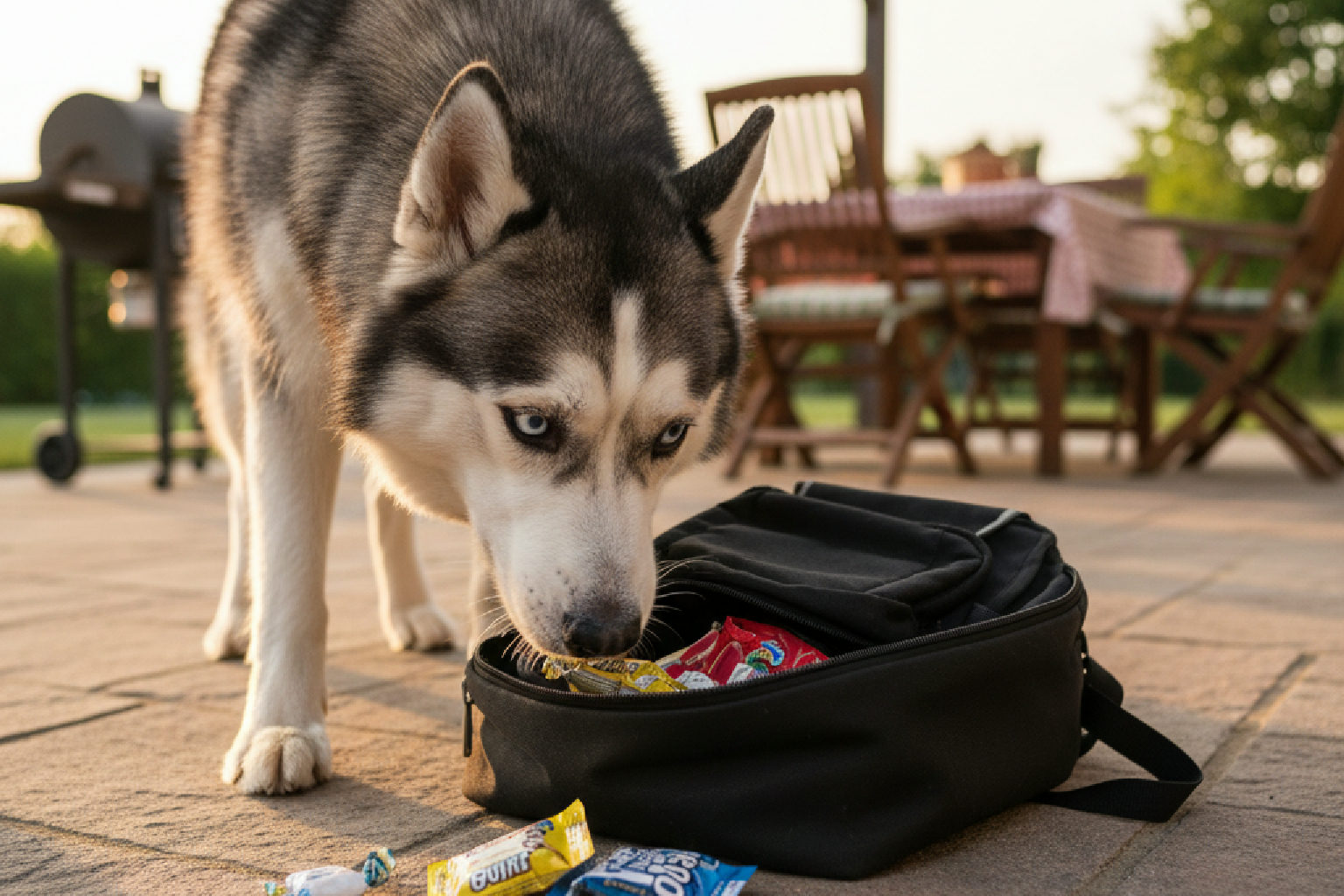
Last week, a family rushed their Husky into my exam room here at Hearthstone Animal Clinic in Cypress, TX, panicking because he'd gotten into a pack of sugar-free gum at a backyard barbecue. That dog is alive today because they acted fast—but it was close. Xylitol poisoning is one of the most dangerous toxicities I see in dogs, and summer is peak season for accidental exposures.
What makes xylitol so scary is how little it takes. A single piece of gum can trigger life-threatening hypoglycemia in a small dog. And with summer cookouts, pool parties, and kids running around with snacks, I see a spike in these cases every year. Here's what every dog owner in Cypress needs to know.
What Is Xylitol and Why Is It So Dangerous to Dogs?
Xylitol is a sugar alcohol used as a sweetener in hundreds of products marketed as "sugar-free," "diabetic-friendly," or "keto." It's perfectly safe for humans—in fact, it's good for our teeth. But in dogs, it triggers a massive, rapid release of insulin from the pancreas.
Within 10-60 minutes of ingestion, a dog's blood sugar can crash to dangerously low levels (hypoglycemia). In higher doses, xylitol causes acute liver failure—sometimes within 12-24 hours. The liver damage can be irreversible.
How Much Xylitol Is Toxic?
- Hypoglycemia: Can occur at doses as low as 0.1 g/kg of body weight
- Liver failure: Risk increases significantly at doses above 0.5 g/kg
- In plain terms: A single piece of gum containing 0.3-1g of xylitol could be toxic to a 10-pound dog
The problem? Most products don't list exactly how much xylitol they contain. When someone tells me their dog ate sugar-free gum, I have to assume the worst and treat aggressively.
Which Summer Products Contain Xylitol?
This is where it gets tricky. Xylitol hides in products you'd never expect. During summer months, these are the most common culprits I see:
Gum and Mints
- Most sugar-free gums (Ice Breakers, Trident, Orbit, Extra, and many others)
- Breath mints and breath strips
- Nicotine gum (double trouble—xylitol plus nicotine)
Summer Snacks and Drinks
- "Keto" or "sugar-free" popsicles, ice creams, and frozen treats
- Protein bars and energy bars
- Sugar-free drink mixes and powdered drink packets
- Some flavored waters and electrolyte drinks
- Sugar-free puddings, Jell-O, and desserts
Peanut Butter—A Hidden Trap
This one gets me every time. Owners use peanut butter to give pills or stuff Kongs, not realizing some brands now contain xylitol. Always check the label—look for "xylitol," "birch sugar," or "birch sap" in the ingredients. Most major brands (Jif, Skippy, most store brands) are still safe, but specialty and "health food" brands are higher risk.
Other Products to Watch
- Toothpaste and mouthwash (a big one if your bathroom is accessible)
- Some medications and vitamins (chewables, gummies, cough drops)
- Cosmetics and sunscreens (lip balms especially)
- Nasal sprays
According to the FDA's consumer alert on xylitol, the number of xylitol-containing products has increased significantly over the past decade, making vigilance more important than ever.
What Are the Signs of Xylitol Poisoning in Dogs?
Symptoms can appear within 15-30 minutes of ingestion, though sometimes they're delayed up to 12 hours. Here's what to watch for:
Early Signs (Hypoglycemia)
- Vomiting
- Weakness or lethargy—your dog seems "drunk" or uncoordinated
- Trembling or shaking
- Difficulty walking or standing
- Collapse
- Seizures
Later Signs (Liver Failure)
- Jaundice (yellowing of gums, whites of eyes, inner ears)
- Black or tarry stool
- Unusual bleeding or bruising
- Severe lethargy
I want to be clear: do not wait for symptoms. If you know or suspect your dog ate something containing xylitol, that's an emergency right now—not a "let's see how he does" situation.
What Should I Do If My Dog Eats Xylitol?
Time matters more with xylitol than almost any other toxin. Here's your action plan:
Step 1: Don't Panic, But Move Fast
Grab the product packaging if you can. Knowing the brand, type, and how much was eaten helps us treat more effectively.
Step 2: Call Immediately
Call your veterinarian or an emergency animal hospital. If it's after hours and you're in the Cypress area, we can help you find emergency options. You can also call ASPCA Animal Poison Control at (888) 426-4435 (they charge a consultation fee, but they're available 24/7).
Step 3: Do NOT Induce Vomiting Unless Directed
I know people's instinct is to make the dog throw up. But if your dog is already showing neurological signs or becoming weak, vomiting can cause aspiration pneumonia or choking. Let your vet make that call.
Step 4: Get to a Vet
Your dog will likely need IV dextrose (sugar) to combat hypoglycemia, blood sugar monitoring, liver protectants, and possibly hospitalization for 24-72 hours. The faster treatment starts, the better the outcome.
How Is Xylitol Poisoning Treated?
There's no antidote for xylitol. Treatment is supportive and depends on how quickly you get help:
- Decontamination: Induced vomiting if caught within 30 minutes and the dog is stable
- IV fluids and dextrose: To maintain blood sugar levels
- Liver protectants: Medications like SAMe, milk thistle, and N-acetylcysteine
- Blood monitoring: Glucose checks every 1-2 hours, liver values at 24, 48, and 72 hours
- Hospitalization: Usually 2-3 days for moderate to severe cases
What Does Treatment Cost?
I believe in being straight with owners about costs. For a dog with xylitol poisoning:
- Mild cases (caught early, no symptoms): $300-$600 for decontamination and monitoring
- Moderate cases (hypoglycemia, needs hospitalization): $1,000-$2,500
- Severe cases (liver failure, ICU care): $3,000-$8,000+
The cost of treatment is another reason prevention matters. A five-dollar pack of gum can turn into a $3,000 emergency bill fast. If you have questions about our pricing or what to expect, I'm always happy to discuss it honestly.
How Can I Prevent Xylitol Poisoning?
Prevention is about awareness and simple habits:
- Read labels religiously—especially on "sugar-free" or "keto" products
- Keep purses, backpacks, and diaper bags out of reach (gum is the #1 source I see)
- Inform party guests—before summer cookouts, remind people to keep bags zipped and snacks off low tables
- Check your peanut butter—and any treat you use for medication or training
- Secure bathrooms—toothpaste and mouthwash are common sources
- Teach kids—if they're old enough to have gum, they're old enough to understand keeping it away from the dog
If your dog has a history of getting into things (and let's be honest, most dogs do), you might also want to look into our comprehensive wellness services that include guidance on pet-proofing your home.
When to Call Your Veterinarian
Call immediately if:
- You know your dog ate something with xylitol
- You suspect xylitol exposure (missing gum, chewed wrapper, etc.)
- Your dog shows any symptoms above—especially vomiting, weakness, trembling, or collapse
Don't wait to "see if symptoms develop." With xylitol, an hour can make the difference between a simple stomach pump and liver failure. I've seen dogs come in for what owners think are allergies, only to discover the real problem is a toxic exposure that happened hours earlier.
Let's Keep Your Dog Safe This Summer
Xylitol poisoning is terrifying, but it's also preventable. Now that you know what to look for, you're already ahead of the game. If your dog ever gets into something suspicious—or you just want peace of mind with a wellness check before summer party season kicks off—I'm here to help. Schedule a visit at Hearthstone Animal Clinic or call us at (281) 859-9244. We're right here in Cypress, TX, and we see these cases all summer long. The faster we act, the better the outcome.
Have a question about your pet?
Dr. Pelton and the Hearthstone team are here to help, the same day when it counts.
Get Your Pet Seen