
Anal Gland Problems in Dogs: Signs, Causes, and Treatment
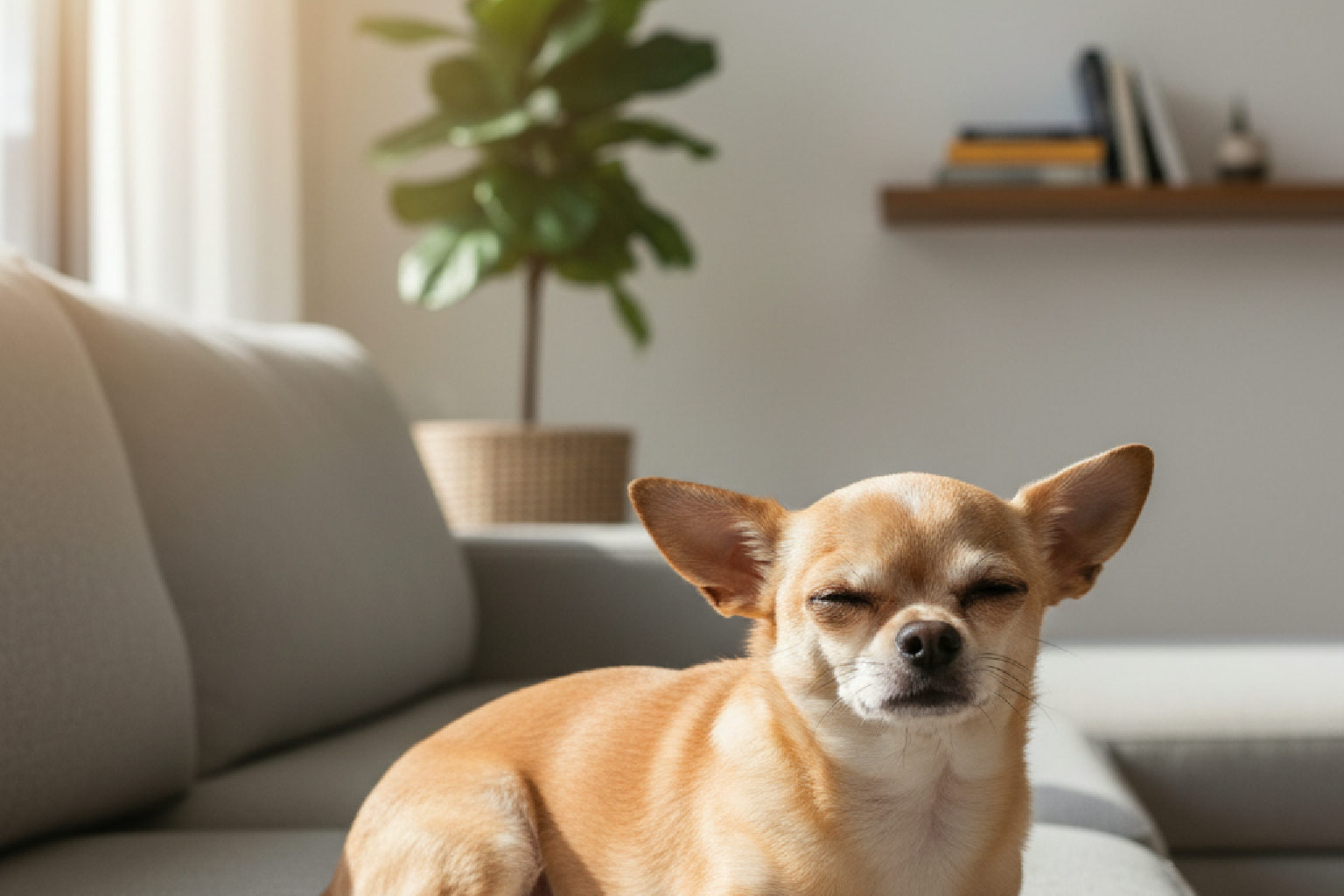
If your dog is scooting across the carpet or obsessively licking their rear end, the most likely culprit is their anal glands. At Hearthstone Animal Clinic in Cypress, TX, anal gland issues are one of the most common reasons dogs come in for same-day visits. The good news: most cases are straightforward to treat once you understand what's going on.
What are anal glands and what do they do?
Dogs have two small sacs located just inside the anus, at roughly the 4 o'clock and 8 o'clock positions. These anal glands (also called anal sacs) produce a brown, oily, distinctly foul-smelling fluid. In healthy dogs, the glands empty naturally every time they have a bowel movement. The pressure of firm stool passing by squeezes the glands and expels a small amount of fluid.
The purpose is scent-marking. When dogs sniff each other's rears, they're reading this chemical signature. It's essentially a biological ID card. The smell is potent to us, but to dogs, it's information.
Why do anal glands become impacted or infected?
Problems start when the glands don't empty properly. The fluid builds up, thickens, and becomes difficult to express. Left untreated, impaction can progress to infection (anal sacculitis) or even abscess formation, where the gland ruptures through the skin.
Common causes of anal gland problems
- Soft stool: Loose or small stools don't create enough pressure to empty the glands naturally. Dogs with chronic soft stool are at higher risk.
- Anatomy: Some dogs have glands positioned in a way that makes natural expression difficult. Small breeds (Chihuahuas, Toy Poodles, Cocker Spaniels, Beagles) are overrepresented in my exam room for this issue.
- Obesity: Excess weight changes the anatomy and reduces the mechanical pressure during defecation.
- Allergies: Dogs with skin allergies often have more anal gland issues. The inflammation affects the gland ducts and the consistency of the secretions.
- Muscle tone: Older dogs or dogs with reduced muscle tone around the rectum may not generate enough squeeze.
What are the signs of anal gland problems?
Dogs can't tell us they're uncomfortable, but they show it clearly if you know what to look for:
- Scooting: Dragging the rear end across the floor or grass. This is the classic sign.
- Excessive licking: Focused licking or biting at the rear end or base of the tail.
- Foul odor: A sudden fishy or metallic smell, particularly when your dog is startled or relaxed on your lap.
- Swelling: Visible swelling or redness near the anus, sometimes with a purple or darkened area.
- Pain: Reluctance to sit, crying when defecating, or snapping when you touch near the tail.
- Discharge: Blood or pus around the anus, which usually means an abscess has ruptured.
Not every dog who scoots has an anal gland problem. Tapeworms, allergies, and skin irritation can cause similar behavior. But anal glands are the most common explanation by a wide margin.
How are anal gland problems treated?
Treatment depends on how far the problem has progressed.
Manual expression
For simple impaction, the treatment is manual expression: a veterinarian or trained technician applies pressure to the glands externally (or internally, for stubborn cases) to empty the built-up fluid. It's not pleasant for anyone involved, but it provides immediate relief. At Hearthstone, anal gland expression typically costs between $20 and $35 as a standalone service.
Some groomers offer external expression, but they may not fully empty thick or deeply impacted glands. If your dog needs frequent expressions (more than every 4 to 6 weeks), I recommend having it done at the vet where we can assess whether something else is going on.
Infection (anal sacculitis)
If the glands are infected, expression alone isn't enough. We'll flush the glands with an antiseptic solution and infuse them with antibiotic ointment. Oral antibiotics and anti-inflammatory medication are usually prescribed for 7 to 14 days. Expect to pay $150 to $250 for this level of treatment, depending on whether we need sedation to work comfortably.
Abscess
An anal gland abscess is a ruptured, infected gland. You'll see an open wound near the anus, often draining blood and pus. This is painful and requires more aggressive treatment: thorough flushing under sedation, antibiotics, pain medication, and sometimes a drain. Treatment typically runs $200 to $400. Most dogs heal well within 2 weeks, but the underlying tendency toward impaction remains.
Surgical removal (anal sacculectomy)
For dogs with chronic, recurrent problems (monthly infections, repeated abscesses, or glands that never stay empty), surgical removal is sometimes the best option. Anal sacculectomy removes both glands permanently. It's a delicate surgery because the glands sit near the nerves that control fecal continence. In experienced hands, complications are uncommon. Cost typically ranges from $800 to $1,500 depending on the complexity. I don't recommend this lightly, but for dogs who've been through repeated painful episodes, it can be the right call.
Can I prevent anal gland problems?
You can reduce the frequency of problems, though some dogs are simply prone to them regardless of what you do.
Steps that help
- Fiber: Adding fiber to the diet (canned pumpkin, psyllium husk, or a high-fiber prescription food) can bulk up stool and improve natural expression. I usually recommend starting with 1 teaspoon of plain canned pumpkin per 10 pounds of body weight daily.
- Weight management: Keeping your dog at a healthy weight improves the anatomy and mechanics of expression.
- Allergy management: If your dog has underlying allergies, treating those reduces anal gland inflammation. This is one of the less-discussed benefits of getting allergies under control.
- Scheduled expressions: For chronically affected dogs, prophylactic expression every 4 to 8 weeks can prevent buildup before it causes symptoms.
I don't recommend expressing glands at home unless you've been trained by your vet. Done incorrectly, you can cause trauma, incomplete emptying, or push bacteria into the tissue. If you want to learn, ask your veterinarian to show you the technique.
When should you see your Cypress veterinarian?
Occasional scooting after a bowel movement isn't an emergency. But you should schedule a visit if you see:
- Scooting or licking that persists for more than a day or two
- Visible swelling, redness, or a lump near the anus
- Any discharge (blood, pus, or brown fluid) from the area
- Your dog crying or showing pain when sitting or defecating
- A sudden strong fishy odor that doesn't resolve
- Your dog needing expression more frequently than every 4 weeks
According to the American Veterinary Medical Association, anal sac disease is one of the most common conditions affecting dogs, particularly small breeds. Early intervention prevents infection and abscess formation.
The bottom line on anal glands
Anal gland problems are uncomfortable and smelly, but they're rarely dangerous when caught early. Most dogs do well with occasional manual expression. A smaller number need ongoing management or, rarely, surgery. If you're seeing the signs, don't wait for it to become an abscess.
If your dog is scooting, licking, or giving off that unmistakable smell, let's take a look and get them comfortable. Schedule a visit at Hearthstone Animal Clinic or give us a ring at (281) 859-9244. We see these cases every week here in Cypress, TX, and most dogs leave feeling much better the same day.
Have a question about your pet?
Dr. Pelton and the Hearthstone team are here to help, the same day when it counts.
Get Your Pet Seen