
Cat Dental Disease: Spotting Tooth Resorption and Gingivitis Early
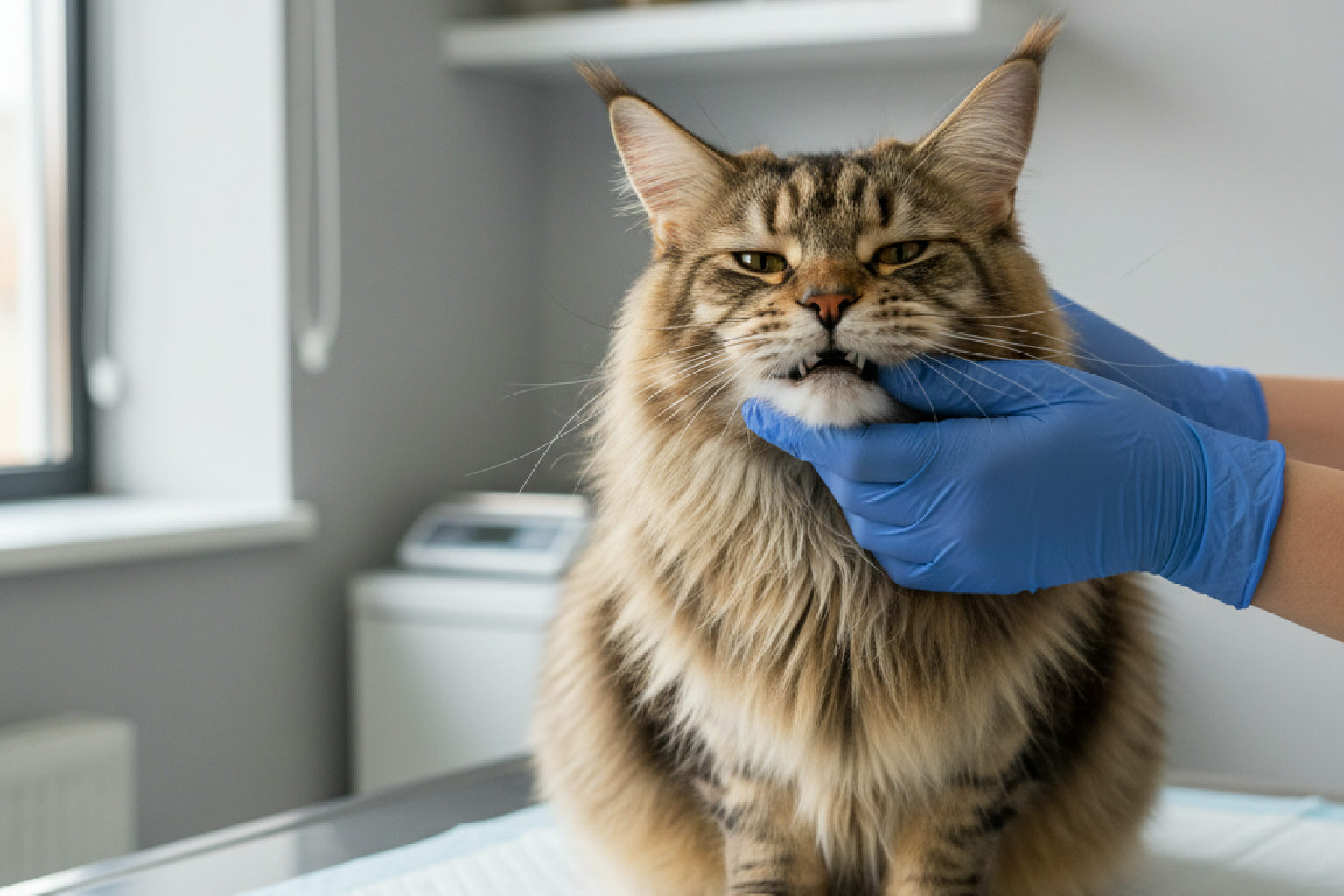
Cats hide mouth pain better than almost any other species I treat. By the time most owners notice something is wrong, the dental disease has been progressing for months, sometimes years. If you're wondering whether your cat's bad breath, drooling, or reluctance to eat is normal aging or something that needs attention, this post will help you sort it out. At Hearthstone Animal Clinic in Cypress, TX, dental problems are one of the most common things we diagnose in cats over 3 years old.
What is dental disease in cats?
The term "dental disease" covers several conditions, but in cats, two stand out: gingivitis (inflammation of the gums) and tooth resorption (a painful breakdown of tooth structure). Both are common, both cause real suffering, and both often go unnoticed until a veterinary exam or dental cleaning reveals the damage.
Unlike dogs, who often break teeth on hard objects, cats tend to develop disease from the inside out. The American Veterinary Medical Association estimates that by age 3, most cats show some sign of dental disease. In my experience in Cypress, that number holds up. If your cat is 5 or older and has never had a dental exam under anesthesia, there's a good chance something is brewing.
What is tooth resorption in cats?
Tooth resorption (sometimes called feline odontoclastic resorptive lesions, or FORLs) happens when a cat's own body starts dissolving the tooth from the inside. Cells called odontoclasts, which normally only break down baby teeth to make room for adult teeth, reactivate and attack the permanent teeth. Nobody knows exactly why this happens. Theories include chronic inflammation, diet, and genetics, but no single cause has been proven.
How common is tooth resorption?
Studies put the number between 30% and 70% of cats, depending on age and how closely you look. In cats over 10 years old, I find at least one resorptive lesion more often than not. The back teeth (premolars and molars) are most frequently affected, which is also why owners rarely see them without a vet looking.
Why is it so painful?
The lesion eats through enamel and dentin until it exposes the nerve. Imagine a cavity that never stops growing. The tooth becomes sensitive to touch, temperature, and chewing. Cats with advanced resorption often chew on one side, drop food, or swallow kibble whole to avoid the painful tooth. But they rarely stop eating altogether, which is why owners miss it.
What does gingivitis look like in cats?
Gingivitis is inflammation of the gum tissue, usually caused by plaque bacteria along the gumline. In its early stages, you'll see a thin red line where the gum meets the tooth. That's not normal. Healthy gums are pink, not red, and they don't bleed when touched.
Signs of gingivitis in cats
- Red or swollen gums, especially along the gumline
- Bad breath that's more than just "cat food smell"
- Bleeding when eating hard food or when you lift the lip
- Yellow or brown tartar buildup on the teeth
- Drooling, sometimes with blood-tinged saliva
Left untreated, gingivitis progresses to periodontitis, where infection destroys the bone and ligaments holding the tooth in place. This is irreversible. The tooth may become loose, abscessed, or both.
How do I know if my cat has dental disease?
This is the part most owners get wrong, and it's not their fault. Cats are hardwired to hide weakness. A cat with a painful mouth will still purr, still greet you at the door, still eat (though maybe less enthusiastically). Here are the signs that should prompt a dental exam:
- Eating changes: favoring soft food, chewing on one side, dropping kibble, eating more slowly, or losing interest in treats
- Grooming changes: matted fur (because grooming hurts), excessive drooling, or pawing at the mouth
- Behavior changes: hiding more, becoming irritable when touched near the face, or grinding teeth
- Visible signs: red gums, missing teeth, facial swelling, or a lump under the eye (often a tooth root abscess)
If you're reading this because your cat has been off lately and you can't figure out why, the mouth is worth checking. I recommend lifting your cat's lip and looking at the gums along the upper canine teeth. If you see angry red tissue or heavy tartar, schedule an exam.
How is cat dental disease diagnosed and treated?
A quick look in an awake cat's mouth tells me something is going on, but it doesn't tell me everything. The real exam happens under anesthesia, where I can probe every tooth, take dental x-rays, and see what's happening below the gumline. This is non-negotiable for accurate diagnosis. Tooth resorption, in particular, often looks fine on the surface while the root is half dissolved underneath.
What happens during a cat dental cleaning?
- Pre-anesthetic bloodwork to make sure your cat can handle anesthesia safely (especially for senior cats)
- General anesthesia with monitoring of heart rate, oxygen, blood pressure, and temperature
- Full-mouth x-rays to evaluate every root and surrounding bone
- Scaling and polishing to remove tartar above and below the gumline
- Extraction of diseased teeth when saving them isn't possible or humane
Does my cat need teeth pulled?
Maybe. Early gingivitis can often be managed with a professional cleaning and improved home care. But teeth with resorptive lesions, advanced periodontal disease, or root abscesses need to come out. There's no filling a resorptive lesion like you would a human cavity. The lesion will keep growing.
I know extraction sounds drastic, but cats do remarkably well without teeth. I've seen cats with zero teeth eat dry kibble just fine. The tongue and hard palate do most of the work anyway. What they can't do is live comfortably with a mouthful of chronic infection.
How much does cat dental work cost?
A straightforward cleaning with x-rays at Hearthstone typically runs $400 to $600. If extractions are needed, the cost goes up depending on how many teeth and how complicated they are. A single simple extraction might add $50 to $100; a full-mouth extraction case (which is rare but not unheard of) could reach $1,500 or more. For a clearer picture of what to expect, take a look at our pricing page.
The cost of not treating is harder to calculate. Chronic oral infection doesn't stay in the mouth. Bacteria from diseased gums enter the bloodstream every time the cat eats, potentially seeding the heart, kidneys, and liver. This isn't theoretical; I see it in bloodwork panels more often than I'd like.
Can I prevent dental disease in my cat?
Prevention is possible, though it's harder in cats than dogs. Most cats won't tolerate daily tooth brushing, but some will. If you can brush, use a cat-specific toothpaste (never human toothpaste, which contains xylitol and fluoride). Even brushing a few times a week makes a difference.
Other prevention strategies
- Dental diets: Prescription foods like Hill's t/d or Royal Canin Dental have larger kibble designed to scrub the teeth mechanically
- Water additives: Some reduce plaque bacteria, though they're not a substitute for brushing
- Annual dental exams: Catching problems early means smaller interventions and lower costs
That said, some cats are genetically prone to dental disease and will need professional cleanings every year or two despite your best efforts. If that's your cat, it's not a failure. It's biology.
When should I bring my cat in for a dental exam?
Any of the signs listed above warrant a visit. Bad breath alone is worth checking. If your cat is over 3 and hasn't had a dental exam in the last year, I'd recommend scheduling one even if everything seems fine. The cats I worry about most are the ones who look normal on the outside but have three or four resorptive lesions hiding on x-ray.
If your cat is showing signs of dental pain, or if it's been a while since anyone looked in that mouth, schedule a visit at Hearthstone Animal Clinic. We're located in Cypress, TX and you can reach us at (281) 859-9244. Dental disease is one of the few problems where early action makes a real difference in both cost and outcome. If this was my cat, I wouldn't wait.
Have a question about your pet?
Dr. Pelton and the Hearthstone team are here to help, the same day when it counts.
Get Your Pet Seen