
Cat Vaccinations Explained: Which Shots Your Cypress Cat Needs
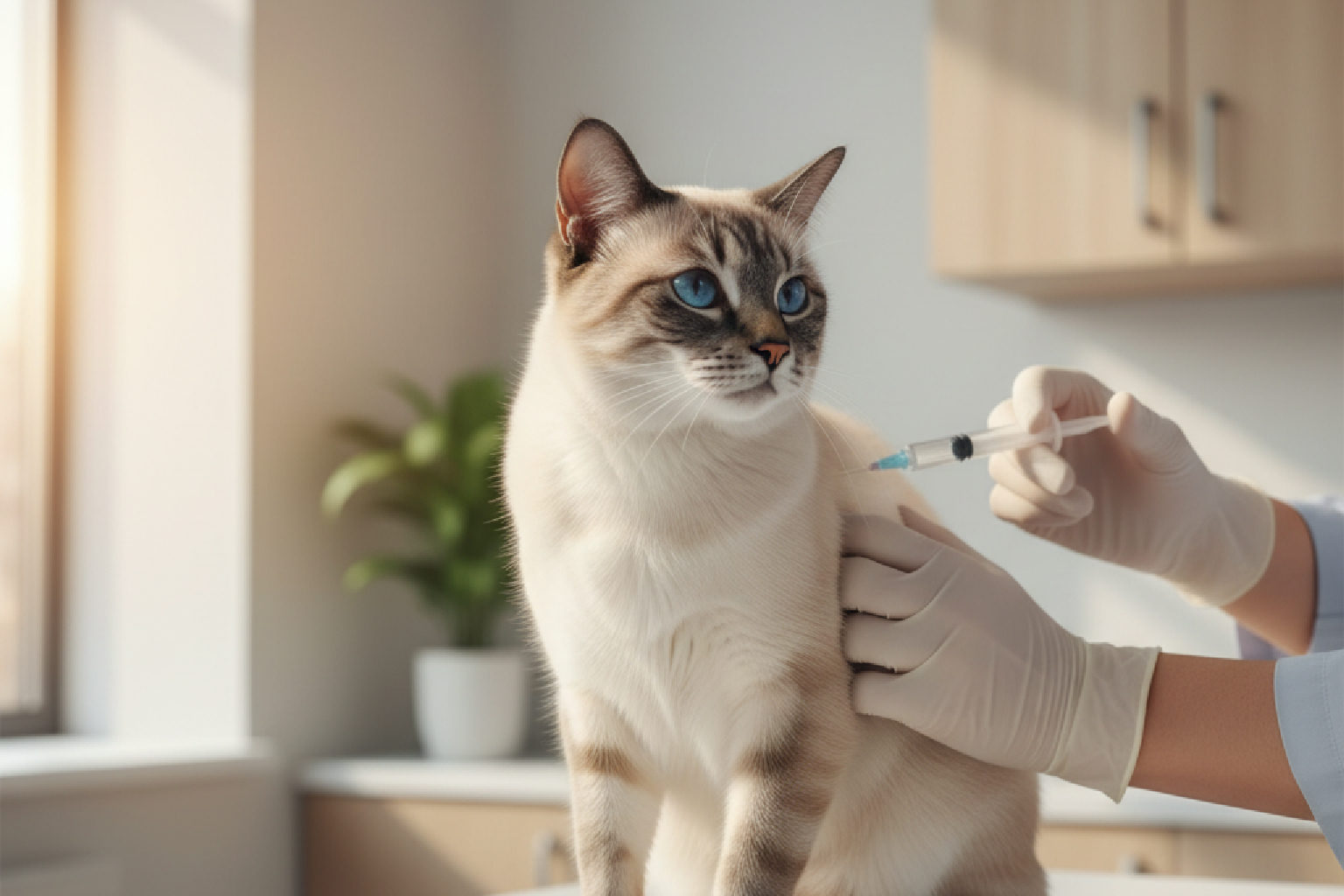
If you've ever stared at a list of cat vaccine abbreviations (FVRCP, FeLV, FIV) and wondered which ones actually matter for your cat, you're not alone. It's one of the most common questions I get at Hearthstone Animal Clinic here in Cypress, TX. The short answer: some vaccines are non-negotiable for every cat, while others depend on your cat's lifestyle. Let me walk you through which is which, what they protect against, and what the realistic costs look like.
What are core vaccines for cats?
Core vaccines are the shots every cat needs regardless of whether they go outside, live alone, or share a home with ten other cats. These protect against diseases that are either extremely common, extremely deadly, or both.
Rabies vaccine
Rabies vaccination is required by Texas law for all cats and dogs. This isn't optional. Rabies is 100% fatal once symptoms appear, and it can spread to humans. Even if your cat never leaves your living room, a bat can get inside (I see this happen in Cypress homes more than you'd think), and one bite is all it takes. Cats can receive their first rabies vaccine as early as 12 weeks, with a booster one year later, then every one to three years depending on the vaccine type used.
FVRCP vaccine (the "distemper" combo)
FVRCP stands for feline viral rhinotracheitis, calicivirus, and panleukopenia. That's a mouthful, so most of us just call it the "distemper combo" or "core combo."
- Panleukopenia (feline distemper): A highly contagious virus that attacks the bone marrow and intestines. It kills quickly, especially in kittens. The virus is incredibly hardy and can survive in the environment for over a year.
- Rhinotracheitis: Caused by feline herpesvirus. Creates severe upper respiratory infections. Once a cat is infected, they carry the virus for life and can have flare-ups during stress.
- Calicivirus: Another upper respiratory pathogen. Can cause mouth ulcers, pneumonia, and in some strains, a severe systemic disease.
Kittens get a series of FVRCP shots starting around 6 to 8 weeks old, then every 3 to 4 weeks until they're about 16 weeks old. After that, a booster at one year, then every three years for adult cats. This vaccine is the backbone of feline preventive medicine.
What are non-core (lifestyle) vaccines?
Non-core vaccines are recommended based on your cat's risk factors: do they go outside, interact with other cats, or live in an area where certain diseases are more common? Here's what I typically discuss with cat owners in Cypress.
FeLV vaccine (feline leukemia virus)
Feline leukemia virus spreads through close contact: mutual grooming, shared food bowls, bite wounds, and from mother to kitten. It suppresses the immune system and can cause cancer. There's no cure.
I recommend FeLV vaccination for all kittens because you never know how their lifestyle might change. A cat that's indoor-only today might escape tomorrow or end up in a home with other cats later. For adult cats, the vaccine makes sense if they go outside or have contact with FeLV-positive cats. Strictly indoor adult cats with no new cat introductions? The risk is low enough that I don't push it, though I still offer it.
According to the Companion Animal Parasite Council, FeLV remains one of the most common infectious causes of death in cats, so this isn't a trivial decision.
FIV vaccine
There was a feline immunodeficiency virus (FIV) vaccine available for years, but it's no longer on the market in the United States. FIV is primarily spread through bite wounds, so intact male cats that roam and fight are at highest risk. Keeping your cat indoors and neutered is the best prevention we have right now.
Bordetella vaccine
Bordetella bronchiseptica can cause upper respiratory infections in cats, but it's far less common as a standalone problem than in dogs. I rarely recommend this for cats unless they're going into a high-density boarding situation or a cattery with known respiratory issues. Most Cypress cat owners don't need to worry about this one.
How much do cat vaccinations cost in Cypress?
Costs vary by clinic and by which vaccines your cat needs, but here's a realistic range for what I see in the Cypress area:
- FVRCP: $25 to $45 per dose
- Rabies: $20 to $35
- FeLV: $30 to $50 per dose (requires two initial doses for kittens)
- Kitten package (exam plus full series): $150 to $300 total, depending on the clinic
If cost is a concern, the non-negotiables are rabies and FVRCP. Everything else we can discuss based on your cat's actual risk. You can view our general pricing for reference, though vaccine prices can shift with manufacturer costs.
What's the kitten vaccination schedule?
Kittens need multiple rounds of vaccines because maternal antibodies (protection passed from the mother) can interfere with the vaccine's ability to stimulate the kitten's own immune system. We don't know exactly when maternal antibodies fade, so we give boosters every 3 to 4 weeks to catch the window.
A typical schedule looks like this:
- 6 to 8 weeks: First FVRCP, first FeLV (if indicated)
- 10 to 12 weeks: Second FVRCP, second FeLV, possibly first rabies (depending on state law and clinic protocol)
- 14 to 16 weeks: Third FVRCP, rabies if not already given
- 1 year: FVRCP booster, rabies booster, FeLV booster if continuing
- Every 3 years: FVRCP, rabies (if using 3-year vaccine)
This is the part most owners get wrong, and it's not their fault. A single vaccine at 8 weeks doesn't provide full protection. I see kittens come in at 5 or 6 months old, having had one shot from a shelter or breeder, and owners assume they're "done." They're not. That initial series has to be completed for real immunity.
Are there side effects from cat vaccines?
Most cats tolerate vaccines very well. The most common reactions I see are mild and short-lived:
- Sleepiness or reduced appetite for 24 to 48 hours
- Mild soreness at the injection site
- Low-grade fever
Serious allergic reactions (facial swelling, vomiting, difficulty breathing) are rare but can happen, usually within 30 minutes to a few hours of the vaccine. If you see these signs, that's a same-day emergency.
There's been concern over the years about injection-site sarcomas, a type of cancer that can develop at vaccination sites in cats. The risk is low (roughly 1 in 10,000 to 1 in 30,000 vaccinated cats), and modern vaccine protocols use specific injection locations and adjuvant-free vaccines when possible to minimize risk. The diseases we're preventing are far more likely to harm your cat than the vaccines themselves.
Do indoor cats really need vaccines?
Yes, but the list is shorter. The instinct behind the question is reasonable: if my cat never goes outside, why vaccinate against diseases spread by other cats? Here's the problem. Panleukopenia virus can survive on your shoes, your clothes, or any surface for over a year. Rabies can enter your home on a bat. And "indoor only" is a description of intent, not a guarantee. Cats escape. Life circumstances change.
At minimum, every cat in Cypress, indoor or outdoor, needs rabies (legally required) and FVRCP. If you're reading this unsure whether your indoor cat's vaccines are current, that's worth checking.
When should you contact a Cypress veterinarian about vaccines?
Get your cat seen if:
- You have a new kitten who hasn't started vaccines yet
- Your adult cat is overdue for boosters (check your records; most owners lose track after a few years)
- Your cat's lifestyle is changing (going outside, new cats entering the home, boarding)
- Your cat had a previous vaccine reaction and you're unsure how to proceed
I'm happy to review your cat's vaccine history and make a tailored recommendation. Not every cat needs every vaccine, but the core ones are non-negotiable for good reason. You can learn more about what we offer on our services page.
If your cat is due for vaccines or you're not sure what they need, schedule a visit at Hearthstone Animal Clinic or contact us at (281) 859-9244. We'll go through your cat's history, assess their risk factors, and build a vaccination plan that makes sense for their life in Cypress, TX.
Have a question about your pet?
Dr. Pelton and the Hearthstone team are here to help, the same day when it counts.
Get Your Pet Seen