
Copperhead Snake Bites in Dogs: What Cypress Owners Need to Know
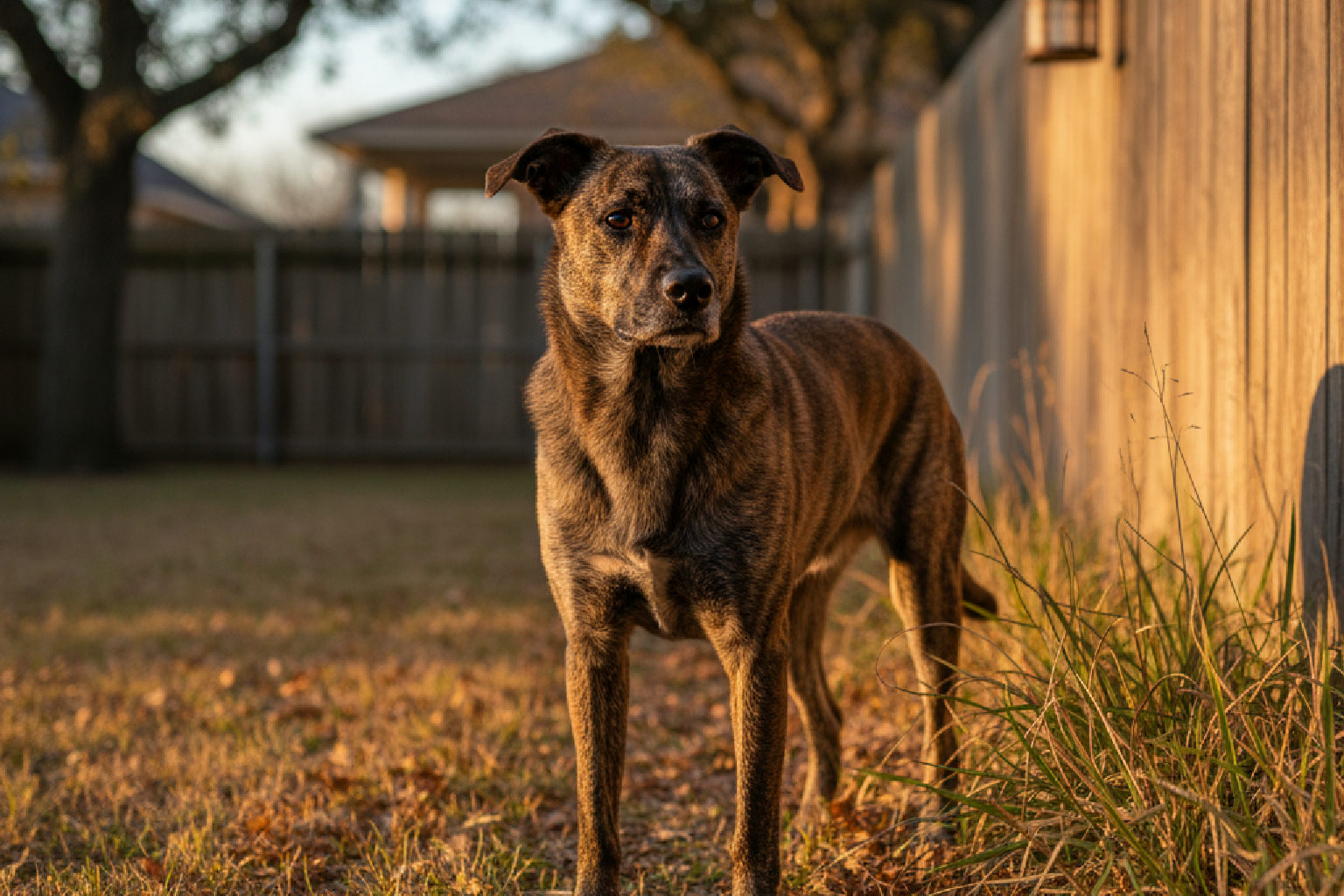
Copperhead bites are the most common venomous snake emergency I treat in dogs here in Cypress, TX. If your dog just got bitten, or you're trying to prepare for the possibility, this post covers what actually happens after a copperhead bite, what you should do in the first few minutes, and how we treat these cases at Hearthstone Animal Clinic.
The good news: most dogs survive copperhead bites, even without antivenom. The bad news: it still hurts, it still causes significant swelling, and some cases do become serious. Knowing what to expect makes a real difference in how quickly you act.
Why are copperhead bites so common in Cypress?
Copperheads thrive in the mix of wooded areas, creeks, and residential landscaping we have throughout the Cypress area. They're well-camouflaged, not aggressive, but they will strike if a curious dog steps on them or sticks a nose where it doesn't belong. Most bites I see happen in backyards, near woodpiles, under decks, or along fence lines where leaf litter accumulates.
Peak season runs from April through October, with the highest risk during warm, humid evenings when both dogs and snakes are active. Early morning is another high-risk window. I see at least a few copperhead bites every summer, and most owners never saw the snake at all.
What does a copperhead bite look like on a dog?
The most common bite locations are the face (especially the muzzle and lips), front legs, and paws. Dogs get bitten on the face because they investigate with their nose. Here's what you'll typically see:
- Two small puncture wounds, sometimes with minor bleeding (these can be hard to spot through fur)
- Rapid swelling at the bite site, often within 15 to 30 minutes
- Pain: yelping, limping, reluctance to let you touch the area
- Bruising that develops over the first few hours
Facial bites tend to cause dramatic swelling. A dog's muzzle can double in size within an hour. Leg and paw bites swell too, but the tissue is less loose, so the swelling may spread up the limb.
What about systemic signs?
Most copperhead bites cause local tissue damage without severe whole-body effects. However, some dogs develop:
- Lethargy and weakness
- Vomiting or drooling
- Rapid breathing
- Pale gums
Small dogs (under 20 pounds) and dogs bitten multiple times are at higher risk for serious systemic reactions. A single bite to a 70-pound Lab is a very different situation than two bites to a 10-pound Chihuahua.
What should I do immediately after a snake bite?
If you suspect your dog was bitten by a copperhead, here's what to do right now:
- Stay calm and keep your dog calm. Increased heart rate spreads venom faster. Carry your dog to the car if possible rather than letting them walk.
- Do NOT try to suck out venom, cut the wound, or apply a tourniquet. These do not help and can cause additional harm.
- Do NOT apply ice. Ice can worsen tissue damage.
- Remove collars if the bite is on the face or neck. Swelling can make collars dangerously tight.
- Get to a veterinarian. Time matters. If you're in the Cypress area, get your pet seen as quickly as possible.
If you can safely photograph the snake from a distance, that can help with identification, but do not delay transport to chase a snake. Never try to catch or kill it.
How do veterinarians treat copperhead bites?
Treatment depends on the severity of the bite, the size of your dog, and how quickly you seek care. Here's what we typically do:
Supportive care (most cases)
The majority of copperhead bites in dogs respond well to supportive treatment:
- IV fluids to maintain blood pressure and support organ function
- Pain medication: snake bites hurt significantly, and good pain control matters
- Anti-nausea medication if the dog is vomiting
- Antibiotics in some cases to prevent secondary infection
- Antihistamines (Benadryl) to reduce swelling, though the benefit is modest
We monitor bloodwork, particularly clotting times, because some snake venoms affect coagulation. Copperhead venom is less likely to cause severe clotting problems than rattlesnake venom, but we still check.
When is antivenom necessary?
Antivenom (CroFab or Anavip) is expensive, typically $500 to $2,000 per vial, and most dogs need more than one vial if antivenom is indicated. The good news is that most copperhead bites do not require it.
I consider antivenom when:
- The dog is very small relative to the venom load
- Swelling is progressing rapidly toward the airway
- There are signs of severe systemic effects (collapse, significant bleeding, severe clotting abnormalities)
- Multiple bites occurred
According to the American Veterinary Medical Association, seeking prompt veterinary care is the single most important factor in snake bite outcomes. Early treatment with supportive care often prevents the need for antivenom.
How much does snake bite treatment cost?
This is a question I hear in nearly every snake bite case, and it's a fair one. Costs vary significantly based on severity:
- Mild cases (outpatient supportive care): $300 to $600
- Moderate cases (hospitalization, IV fluids, monitoring): $800 to $1,500
- Severe cases (antivenom, extended ICU care): $3,000 to $6,000 or more
Most copperhead bites fall into the mild to moderate range. The cost depends on how quickly you seek treatment, your dog's size, and whether complications develop. For a better sense of what to expect, check our pricing page, and know that we'll give you a clear estimate before proceeding with treatment.
What about the rattlesnake vaccine?
There is a vaccine marketed for rattlesnake bites (made by Red Rock Biologics). It does not protect against copperhead venom. The vaccine may reduce the severity of western diamondback rattlesnake bites, but we don't have those snakes commonly in the Cypress area. Our local venomous snakes are primarily copperheads, with occasional water moccasins (cottonmouths).
I don't routinely recommend the rattlesnake vaccine for dogs living in Cypress. If you travel frequently to West Texas or the Hill Country where western diamondbacks are common, it might be worth discussing. But for backyard protection here, prevention and quick response matter more than vaccination.
How can I prevent snake bites in my dog?
Complete prevention isn't possible if your dog spends time outdoors in Texas, but you can reduce the risk:
- Keep your yard clear of debris. Woodpiles, brush, and leaf litter attract rodents, which attract snakes.
- Walk dogs on leash in wooded areas or near water. This keeps curious noses away from hiding spots.
- Avoid walking at dawn, dusk, and night during warm months. These are peak snake activity times.
- Use a flashlight if you let your dog out after dark.
- Consider snake aversion training. Some trainers offer this, though effectiveness varies.
The reality is that even careful owners can have a dog bitten. Copperheads are extremely well camouflaged. What matters most is knowing what to do when it happens.
When should I call my veterinarian?
Call immediately if:
- You see a snake bite your dog, or you find puncture wounds with rapid swelling
- Your dog is showing pain, swelling, or behavioral changes after being in an area where snakes could be present
- Your dog yelped suddenly in the yard and is now limping or has facial swelling
Even if you're not sure it was a snake, it's better to have us evaluate and find nothing than to wait while venom spreads. Time makes a real difference in outcomes and in how much treatment costs.
If your dog has been bitten by a snake, or you're seeing unexplained swelling after time outdoors, schedule a visit at Hearthstone Animal Clinic right away. We see snake bite emergencies regularly during warm months and can get your dog the care they need. Reach us at (281) 859-9244 in Cypress, TX. If it's after hours and you're facing a potential snake emergency, head to the nearest emergency veterinary hospital, then follow up with us for ongoing care.
Have a question about your pet?
Dr. Pelton and the Hearthstone team are here to help, the same day when it counts.
Get Your Pet Seen