
Dental Disease in Dogs and Cats: Why Summer Is Ideal for Cleaning
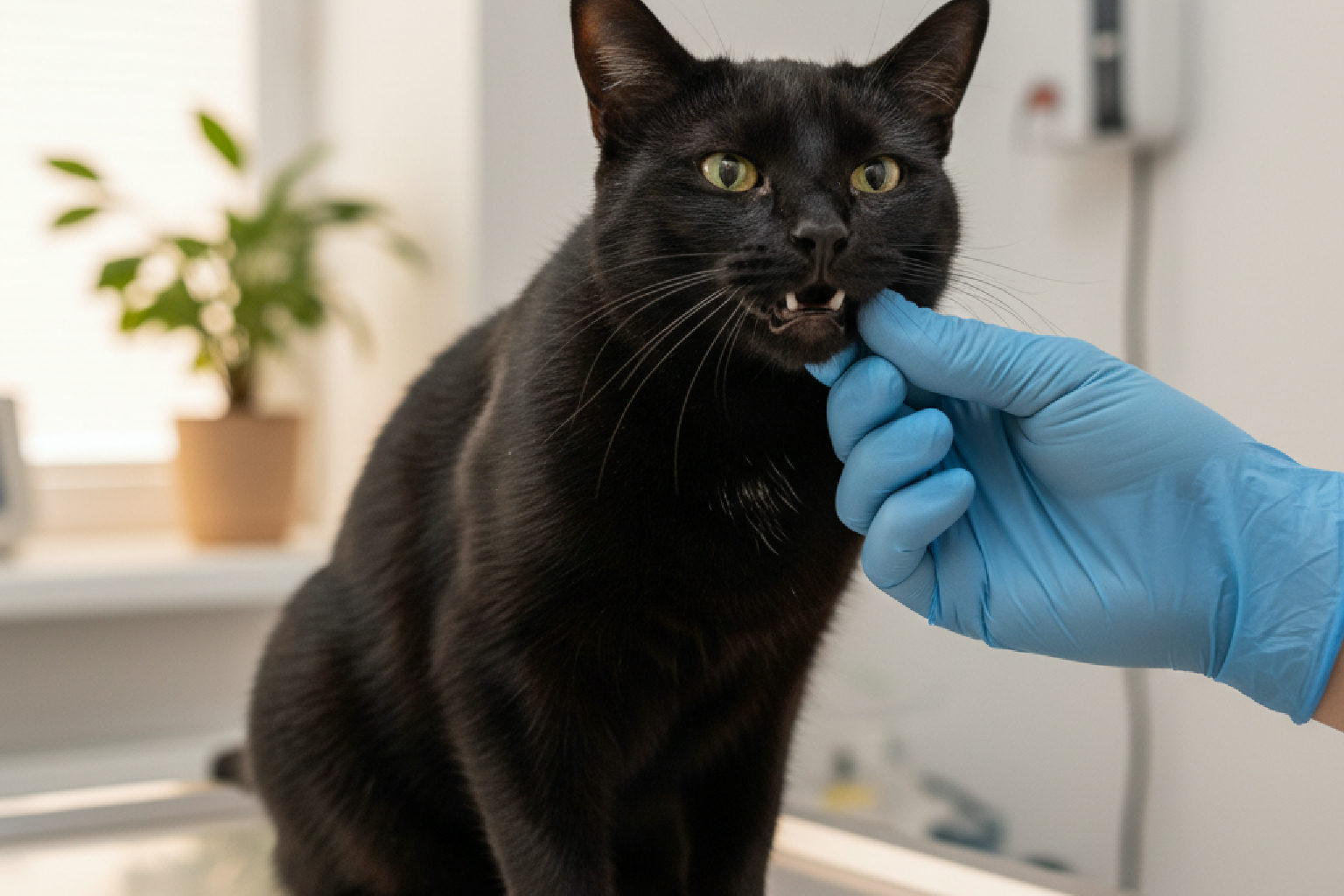
If your dog's breath makes you turn your head, or your cat has started dropping kibble while eating, you're not imagining things. Something is probably wrong. By age three, roughly 80% of dogs and 70% of cats have some form of periodontal disease, and most owners don't realize it until the problem is advanced. Here at Hearthstone Animal Clinic in Cypress, TX, I see the consequences of dental disease every single week: fractured teeth, infected gums, and pets who've been quietly living with mouth pain their owners never suspected.
Summer turns out to be a surprisingly good time to address this. Schedules are more flexible, kids are home to help with recovery, and you're not competing with the holiday rush. If your pet is overdue for a dental exam, now is the time to get it done.
Why do so many pets have dental disease?
The same reason humans do: bacteria. Plaque forms on teeth within hours of eating. Within days, that plaque mineralizes into tarite, which can't be brushed away. The tartar pushes below the gumline, creating pockets where bacteria thrive. Those bacteria don't stay local. They enter the bloodstream and can seed infections in the heart, kidneys, and liver.
Dogs and cats are also very good at hiding pain. A dog with a cracked molar or a cat with a resorptive lesion (a uniquely feline type of cavity that eats through the tooth) will often keep eating, just more carefully. They don't whimper or paw at their mouths the way you'd expect. What I usually see is a pet who seems a little "off," maybe eating slower or preferring soft food, and when we look in the mouth, the problem has been brewing for months.
What are the signs of dental disease in dogs and cats?
Some are obvious. Others are subtle. Here's what to watch for:
- Bad breath that doesn't go away (not just "dog breath," but a sour or rotten smell)
- Red, swollen, or bleeding gums
- Yellow or brown buildup on the teeth, especially along the gumline
- Dropping food or chewing on one side
- Pawing at the mouth or rubbing the face on furniture
- Drooling more than usual
- Reluctance to eat hard food or sudden preference for wet food
- Loose or missing teeth
- Swelling under the eye (often a sign of a tooth root abscess)
If you're seeing any of these, don't wait for your pet's next annual exam. Dental infections can progress quickly, and what starts as gingivitis can become a much bigger problem within weeks.
What happens during a professional dental cleaning?
This is the part most owners get wrong, and it's not their fault. A "dental cleaning" for pets is not the same as what you get at your dentist. Your pet won't sit still with their mouth open for 45 minutes, which means general anesthesia is required to do the job right.
Pre-anesthetic bloodwork
Before any dental procedure, we run bloodwork to make sure your pet's liver and kidneys can handle anesthesia safely. For pets over 7, I recommend a more comprehensive panel. This isn't about padding the bill; it's about catching problems before they become emergencies on the table. You can learn more about what we check on our wellness panels page.
The cleaning itself
Once your pet is safely anesthetized and monitored, we scale every tooth above and below the gumline using ultrasonic scalers (the same technology your dentist uses). We probe for pockets, check for loose teeth, and take dental radiographs (X-rays) to see what's happening beneath the surface. Roughly 60% of dental disease is below the gumline, invisible to the naked eye.
Extractions if needed
If we find teeth that are fractured, infected, or too loose to save, we extract them. I know that sounds alarming, but pets do remarkably well without a few teeth. A dog with chronic pain from a rotten molar will eat better, not worse, once it's gone. We always discuss findings with you before proceeding with extractions, so there are no surprises on the invoice.
Polishing and aftercare
After cleaning, we polish the teeth to smooth microscopic scratches that would otherwise attract more plaque. Your pet goes home the same day, usually a bit groggy but comfortable. Most are back to normal within 24 to 48 hours.
How much does a pet dental cleaning cost in Cypress, TX?
I get this question constantly, and I wish I could give a single number. The honest answer: it depends on what we find.
A straightforward cleaning for a young, healthy dog with mild tartar buildup might run $350 to $500. A cat with multiple resorptive lesions requiring extractions could be $600 to $900. A large dog with severe periodontal disease and several teeth that need to come out might approach $1,000 or more.
The variables include:
- Pre-anesthetic bloodwork
- Length of time under anesthesia
- Number and complexity of extractions
- Pain medications and antibiotics sent home
We provide estimates before the procedure and call you during surgery if we find something unexpected. No one likes surprises when it comes to vet bills. For a general sense of our approach to pricing, visit our pricing page.
Why is summer a good time for dental work?
Three practical reasons:
Flexible schedules. Most dental procedures require dropping your pet off in the morning and picking them up in the late afternoon. That's easier to manage when you're not juggling school pickup or holiday travel.
Recovery supervision. Your pet will be groggy and may need soft food for a few days. If kids are home for summer, someone's around to keep an eye on them. If you work from home more in summer, same benefit.
Avoiding the fall rush. Our schedule gets packed from October through December as people try to use expiring wellness plan benefits or squeeze in procedures before the holidays. Summer appointments are easier to book at a time that works for you.
Can I prevent dental disease at home?
You can slow it down significantly, yes. The gold standard is daily brushing with a pet-safe toothpaste (never human toothpaste, the fluoride is toxic to pets). I'll be honest: most owners can't sustain daily brushing, and that's okay. Even two to three times a week makes a difference.
Other options that help:
- Dental chews with the VOHC (Veterinary Oral Health Council) seal of approval
- Water additives that reduce bacterial load
- Prescription dental diets with kibble designed to scrape teeth as your pet chews
None of these replace professional cleanings, but they extend the time between them. Think of it like flossing: it helps, but you still need your hygienist.
The American Veterinary Medical Association has a good overview of home dental care if you want to dig deeper.
When should you get your pet's teeth checked?
If your pet is over 3 and has never had a professional dental exam, they're overdue. If you're seeing any of the warning signs I listed above, don't wait. Dental infections are painful, and they don't resolve on their own.
I also recommend a dental check whenever we see your pet for their annual exam. Catching early gingivitis is far cheaper and easier than treating advanced periodontal disease with multiple extractions. We cover dental health as part of our standard wellness services.
Let's take a look at your pet's teeth
If your dog's breath has gotten worse, or your cat has been eating strangely, or you just can't remember the last time someone looked in your pet's mouth, summer is a great time to get it done. Schedule a visit at Hearthstone Animal Clinic or call us at (281) 859-9244. We're right here in Cypress, TX, and I'd rather catch a problem early than deal with an emergency extraction later. If this was my dog, I'd want someone to tell me the same thing.
Have a question about your pet?
Dr. Pelton and the Hearthstone team are here to help, the same day when it counts.
Get Your Pet Seen