
Dog Diarrhea in Summer: Common Causes and When to Worry
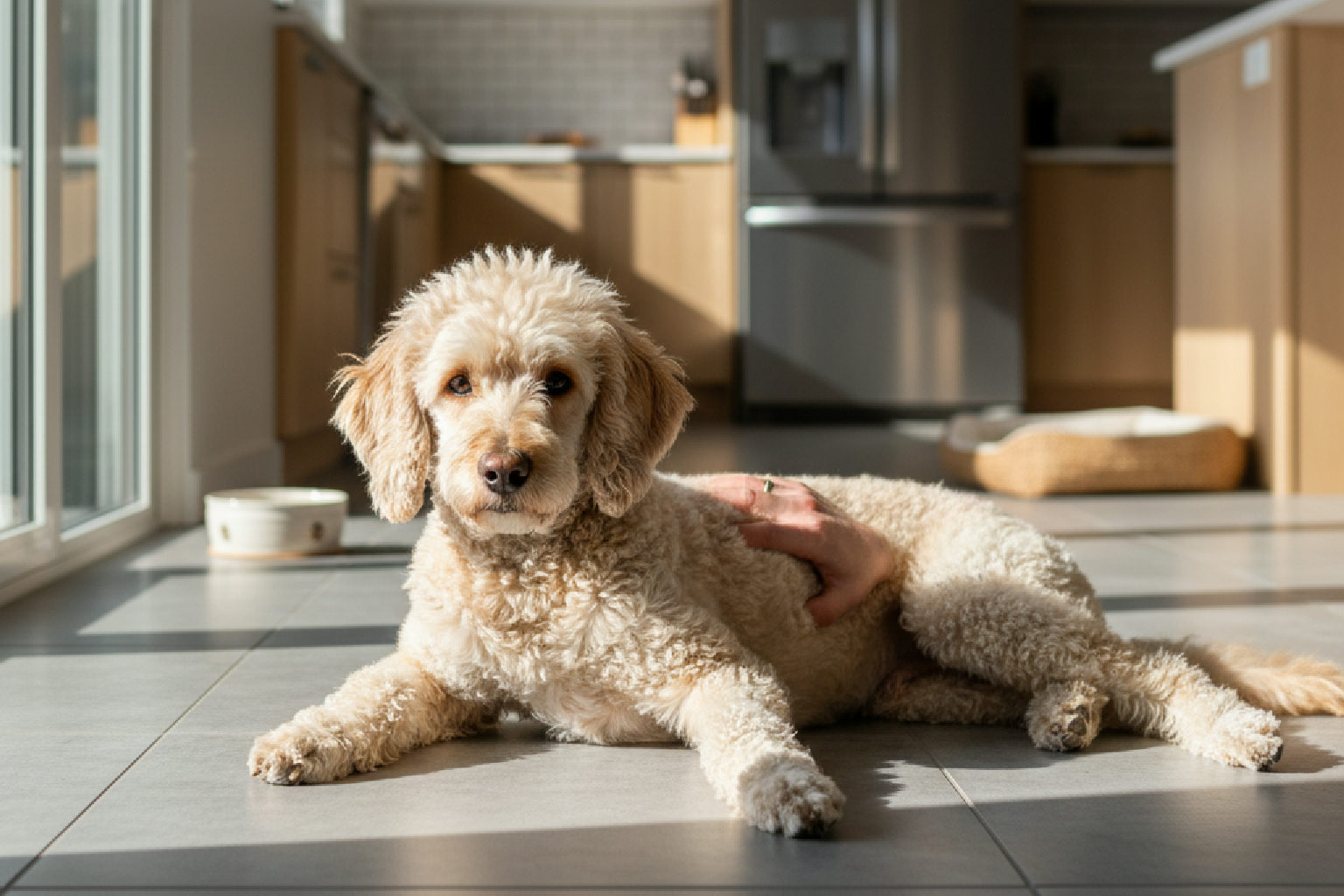
If your dog has had loose stools for a day or two and you're wondering whether to wait it out or head to the vet, you're in good company. Summer is our busiest season for diarrhea cases at Hearthstone Animal Clinic, and most Cypress pet owners go through this at least once. The good news: most cases resolve on their own within 48 hours. The bad news: a few don't, and those are the ones that can get serious fast.
Here's what I tell my clients when they're standing in the exam room (or texting me a photo at 10 pm): context matters more than consistency. A single episode of soft stool in an otherwise happy dog is not an emergency. But diarrhea plus vomiting, lethargy, or bloody stool? That changes things.
Why is summer diarrhea so common in dogs?
Cypress, TX summers bring a perfect storm for GI upset. Between the heat, the cookouts, and the increased time outside, your dog's gut faces more challenges from May through September than any other time of year.
Dietary indiscretion (the "garbage gut")
This is the number one cause I see. Dogs eat things they shouldn't: dropped hot dogs at cookouts, compost from the garden, something dead in the backyard, or food scraps from well-meaning guests. The fatty, rich, or spoiled food overwhelms their digestive system. Most cases of dietary indiscretion cause 24-48 hours of loose stool and then resolve.
Heat stress and dehydration
When dogs overheat, blood flow shifts away from the gut to help cool the body. This can disrupt normal digestion and lead to soft stools. Dogs that spend too long outside in 95-degree heat often come back with GI upset, even if they don't reach full heat stroke.
Parasites
Summer means more time at dog parks, trails, and standing water. Giardia thrives in warm, stagnant water (think puddles after a rain). Hookworms and whipworms are more active in warm soil. If your dog's diarrhea lasts more than three days or keeps coming back, parasites should be on the list.
Bacterial infections
Campylobacter and Salmonella cases tick up in summer. Raw or undercooked meat at cookouts, contaminated water sources, and wildlife contact all increase risk. These infections often cause watery diarrhea with mucus and sometimes blood.
Stress from schedule changes
Summer travel, boarding, houseguests, and fireworks around the Fourth of July can trigger stress colitis in sensitive dogs. The stool is often soft with mucus coating, and the dog otherwise seems fine.
What does the color and consistency tell you?
I know this isn't pleasant, but looking at what comes out can help determine how worried to be.
- Brown and soft/mushy: Usually dietary. Most likely to resolve on its own.
- Yellow or greenish: Food moving through too fast. Can indicate infection or parasites if it persists.
- Black and tarry: Digested blood from the upper GI tract. This warrants a same-day vet visit.
- Red streaks or frank blood: Bleeding in the colon. A few streaks with otherwise normal stool is often colitis. Large amounts of blood or blood clots are more urgent.
- Gray or greasy: Can indicate pancreatic issues or malabsorption. Worth mentioning to your vet.
- White specks that look like rice: Tapeworm segments. Needs deworming medication.
Can I treat my dog's diarrhea at home?
For an otherwise healthy adult dog with mild diarrhea (no blood, no vomiting, still eating and drinking), home care for 24-48 hours is reasonable.
The bland diet approach
Withhold food for 12 hours to let the gut rest, then introduce small, frequent meals of boiled chicken (no skin, no bones) and white rice in a 1:2 ratio. Feed this for 3-5 days, then gradually mix back in regular food over another 3-5 days.
Keep water available
Diarrhea causes fluid loss. Make sure fresh water is always accessible. You can add a splash of low-sodium chicken broth to encourage drinking if your dog seems uninterested.
Probiotics can help
A veterinary probiotic like FortiFlora or Proviable can help restore healthy gut bacteria. These are safe to use at home and often speed recovery by a day or two.
What about over-the-counter medications?
Pepto-Bismol is generally safe for dogs at 1 teaspoon per 10 pounds of body weight, given every 6-8 hours. However, it contains salicylate (related to aspirin), so avoid it if your dog is on NSAIDs or has a bleeding disorder. Imodium (loperamide) is riskier because it slows gut motility, which can be dangerous if an infection or toxin needs to pass through. I'd skip Imodium unless your vet specifically recommends it.
When should you worry about dog diarrhea?
This is the part most owners get wrong, and it's not their fault. The instinct is to wait and see. Usually that's fine. But certain combinations of signs mean the wait-and-see approach has run out.
Get your dog seen today if you notice:
- Diarrhea plus vomiting that lasts more than 12 hours
- Blood in the stool (more than just a few streaks)
- Black, tarry stool
- Lethargy or weakness
- Refusal to eat for more than 24 hours
- Signs of dehydration (dry gums, skin that doesn't snap back, sunken eyes)
- Abdominal pain (hunched posture, whining when touched)
- Your dog is a puppy under 6 months old
- Your dog is a senior (over 8 years) or has a chronic illness
Puppies and seniors dehydrate faster and have less reserve. What would be a minor inconvenience for a healthy 3-year-old Lab can land a 12-week-old puppy in the hospital within 24 hours.
What happens at the vet visit?
When you bring a dog with diarrhea to Hearthstone Animal Clinic, we start with a physical exam: checking hydration status, feeling the abdomen, and taking a temperature. From there, diagnostics depend on the severity and history.
Fecal testing
A fecal float and direct smear can identify parasites like Giardia, hookworms, whipworms, and coccidia. If your dog has had recurring diarrhea, this is essential. The Companion Animal Parasite Council recommends fecal testing 2-4 times yearly for at-risk dogs.
Bloodwork
If your dog is dehydrated, lethargic, or the diarrhea is severe, bloodwork helps us check organ function, electrolytes, and signs of infection or inflammation.
Treatment
Treatment varies based on the cause. Parasites get antiparasitics. Bacterial infections sometimes need antibiotics (though many resolve without them). Dehydrated dogs may need subcutaneous or IV fluids. For simple cases, we often send dogs home with a prescription GI diet, probiotics, and anti-nausea medication if needed.
Cost for a diarrhea workup in Cypress typically runs $150-$400 depending on what diagnostics are needed. Our pricing page gives you a sense of exam and testing fees.
How do you prevent summer diarrhea?
You can't prevent every case, but you can reduce the odds significantly:
- Keep cookout scraps away from your dog. Fatty meats and corn cobs are the biggest offenders.
- Supervise outdoor time. Dogs that roam unsupervised eat things they shouldn't.
- Avoid standing water. Don't let your dog drink from puddles, ponds, or communal water bowls at dog parks.
- Stay current on parasite prevention. Monthly preventatives reduce the risk of intestinal parasites alongside heartworm and fleas.
- Transition foods slowly. If you're switching diets, do it over 7-10 days.
If your dog has diarrhea that won't quit
If you've tried the bland diet for 48 hours and things aren't improving, or if your dog is showing any of the warning signs above, don't keep waiting. Most summer diarrhea cases are minor, but the ones that aren't can escalate quickly in the Texas heat. Schedule a visit at Hearthstone Animal Clinic or call us at (281) 859-9244. We see diarrhea cases every day in Cypress, TX, and we can usually tell you within a few minutes whether this is a "wait it out" situation or something that needs treatment now.
Have a question about your pet?
Dr. Pelton and the Hearthstone team are here to help, the same day when it counts.
Get Your Pet Seen