
Feline Kidney Disease Diet: Getting Your Cat to Eat Renal Food
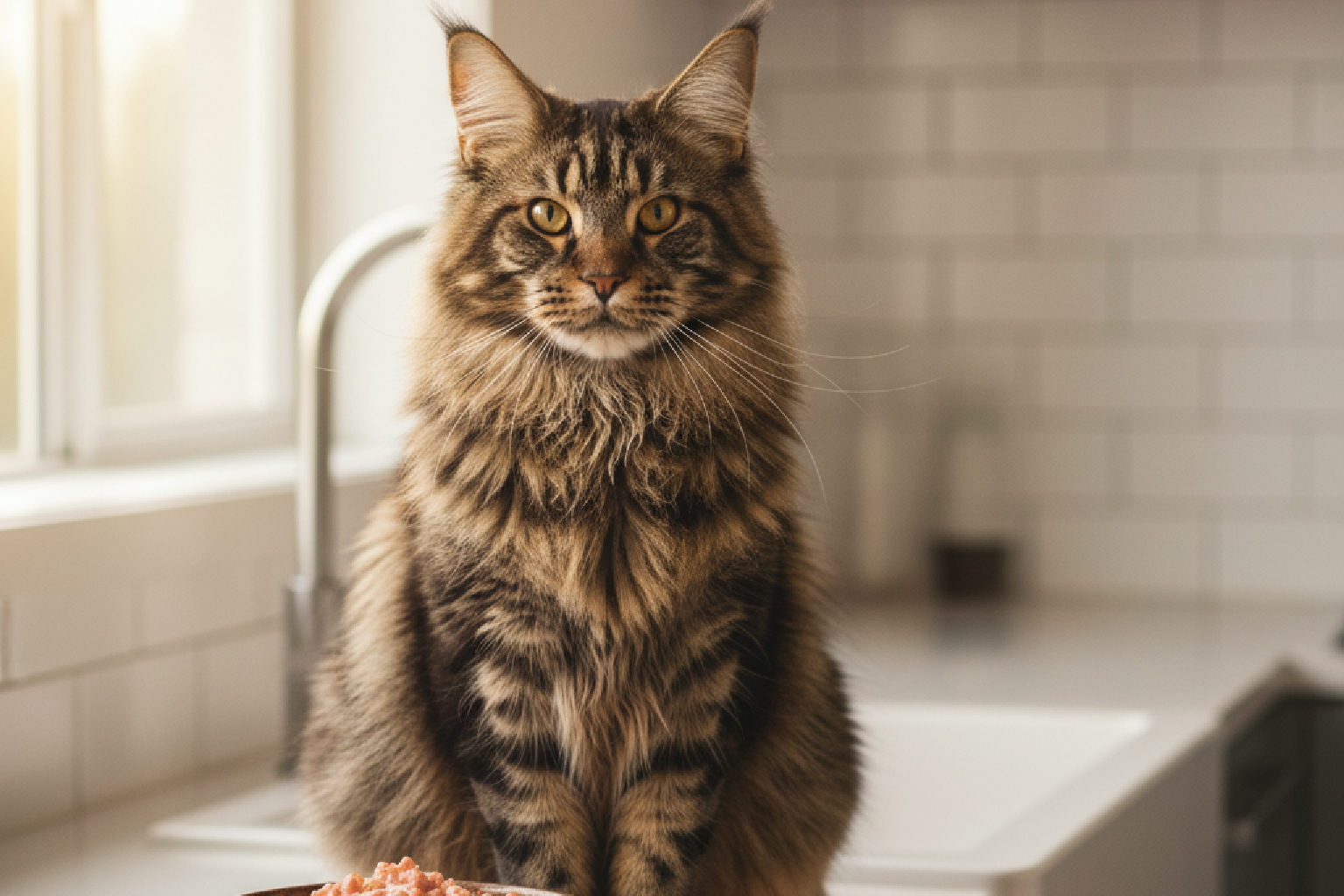
Your cat has chronic kidney disease, your vet prescribed a renal diet, and now your cat won't touch it. This is one of the most common frustrations I hear from cat owners at Hearthstone Animal Clinic in Cypress, TX. The good news: there are real strategies that work. The harder truth: sometimes we have to find a middle ground between the "ideal" diet and what your cat will actually eat.
Why do veterinarians push prescription kidney diets so hard?
Renal diets aren't a gimmick. They're one of the few interventions proven to extend survival time in cats with chronic kidney disease (CKD). The International Cat Care organization and multiple peer-reviewed studies show that cats on appropriate renal diets live significantly longer than cats with CKD eating regular food.
Here's what makes these diets different:
- Reduced phosphorus: This is the big one. High phosphorus accelerates kidney damage. Prescription renal diets contain 0.3-0.6% phosphorus on a dry matter basis, compared to 1-2% in most commercial foods.
- Moderate protein restriction: Less protein means less waste for failing kidneys to filter. The protein that's included is high-quality and highly digestible.
- Added omega-3 fatty acids: These reduce inflammation in the kidneys and may slow progression.
- Increased potassium and B vitamins: Cats with CKD lose these through excessive urination.
- Lower sodium: Helps manage the blood pressure issues that often accompany kidney disease.
The phosphorus reduction alone is worth the effort. In my experience, this single change makes more difference than most medications we prescribe for early to moderate CKD.
Why won't my cat eat the prescription food?
Cats are notoriously resistant to diet changes, and there are real reasons for this. Understanding them helps you troubleshoot.
Taste and texture differences
Renal diets taste different because they ARE different. Lower protein and phosphorus mean less of the meaty flavor cats crave. Most cats notice immediately. This isn't your cat being difficult; it's your cat being a cat.
Nausea from kidney disease itself
CKD causes a buildup of waste products in the blood (uremia) that makes cats feel nauseated. Your cat may associate that nausea with whatever food is in front of them, even if it's not the food's fault. If your cat suddenly refuses ALL food, not just the new diet, that's a sign the kidney disease itself needs attention.
Food aversion from forced transitions
If a cat is pushed onto a new food too quickly, especially when feeling unwell, they can develop a lasting aversion. I've seen cats refuse a specific brand for years after one bad experience. This is why the transition matters so much.
How do I transition my cat to a kidney diet successfully?
The single biggest mistake owners make is switching too fast. Cats need time, and sick cats need even more time.
The gradual transition method
Start with 25% new food mixed with 75% of the old food. Hold at that ratio for 5-7 days. Then move to 50/50 for another week. Then 75/25. Then full transition. For picky cats, I sometimes stretch this process to 6-8 weeks. Slow is faster in the long run.
Temperature tricks
Warming wet food to just below body temperature (about 100°F) releases aromas that make it more appealing. Microwave for 10-15 seconds and stir well to eliminate hot spots. This single trick converts more reluctant cats than anything else I recommend.
Texture experiments
Most renal diet brands come in pate, chunks in gravy, and dry kibble. If your cat rejects one texture, try another before giving up on the brand entirely. Some cats who refuse the pate will eat the morsels, and vice versa.
Flavor rotation
Hill's k/d, Royal Canin Renal Support, and Purina NF all come in multiple flavors. Rotating between chicken, fish, and beef can prevent "flavor fatigue" that makes cats lose interest over time.
What if my cat absolutely refuses all prescription diets?
This is where I have to be honest with owners: a cat that eats something is better off than a cat that eats nothing. Cats can develop hepatic lipidosis (fatty liver disease) in as little as 3-4 days of not eating. That condition can kill faster than kidney disease will.
If your cat refuses every prescription option, here's my usual approach:
- First choice: Keep trying prescription diets with all the tricks above. Most cats eventually accept one brand or texture.
- Second choice: Use a phosphorus binder (like aluminum hydroxide or Epakitin) added to regular food. This isn't as effective as a true renal diet, but it helps reduce phosphorus absorption.
- Third choice: Feed a senior cat food, which typically has lower phosphorus than regular adult formulas, with a phosphorus binder added.
- Last resort: Feed whatever the cat will eat. Nutrition, even imperfect nutrition, beats starvation.
This is the part most owners get wrong, and it's not their fault. The internet makes it sound like prescription renal food is the only option. The reality is that maintaining body weight and hydration matters just as much as the specific diet. If we have to compromise on diet to keep your cat eating, that's a reasonable trade.
How much does prescription kidney food cost?
Prescription renal diets run about $3-5 per day for wet food and $40-60 per bag for dry (which lasts most cats 4-6 weeks). That's roughly double what premium grocery store food costs. The brands I see work best in Cypress are Hill's k/d, Royal Canin Renal Support, and Purina NF. All three are legitimate options, and I typically recommend trying whichever one your cat is most likely to accept based on their current preferences.
If cost is a barrier, dry food is more economical than wet, and mixing the two (some wet, some dry) is perfectly reasonable. Just make sure your cat has constant access to fresh water, since hydration is critical for kidney patients.
What else helps cats with kidney disease besides diet?
Diet is important, but it's one piece of a larger picture. For cats diagnosed with CKD, I typically discuss:
- Subcutaneous fluids: For moderate to advanced cases, giving fluids under the skin at home (usually every 1-3 days) helps flush toxins and keeps cats feeling better. Most owners can learn to do this in one 15-minute lesson.
- Anti-nausea medications: Drugs like ondansetron or maropitant can reduce the nausea that makes cats refuse food in the first place.
- Potassium supplementation: Low potassium is common in CKD cats and causes muscle weakness.
- Blood pressure monitoring: Hypertension damages kidneys further and can cause sudden blindness. We check blood pressure at every recheck.
- Regular bloodwork: I recommend senior pet bloodwork every 3-6 months for cats with CKD to track progression and adjust treatment.
When should I call my veterinarian about my CKD cat's eating?
Contact your vet if your cat:
- Hasn't eaten anything (not just the renal food, but ANY food) for more than 24-48 hours
- Is vomiting more than once or twice a week
- Seems weaker or more lethargic than usual
- Is hiding or acting painful
- Has lost noticeable weight since the last visit
These signs suggest the kidney disease may be progressing or that nausea needs better control before we can address diet acceptance.
If your cat has been diagnosed with chronic kidney disease and you're struggling to find a diet that works, or if you have an older cat who hasn't had bloodwork recently, let's talk. At Hearthstone Animal Clinic, we see kidney disease regularly in senior cats around Cypress, TX, and I can help you find an approach that fits your cat's preferences and your situation. Schedule a visit or call us at (281) 859-9244. If this was my cat, I'd want a plan that actually gets food in the bowl and into the cat, not just the "perfect" plan on paper.
Have a question about your pet?
Dr. Pelton and the Hearthstone team are here to help, the same day when it counts.
Get Your Pet Seen