
Feline Stomatitis: Why Your Cat's Mouth Hurts and How to Help
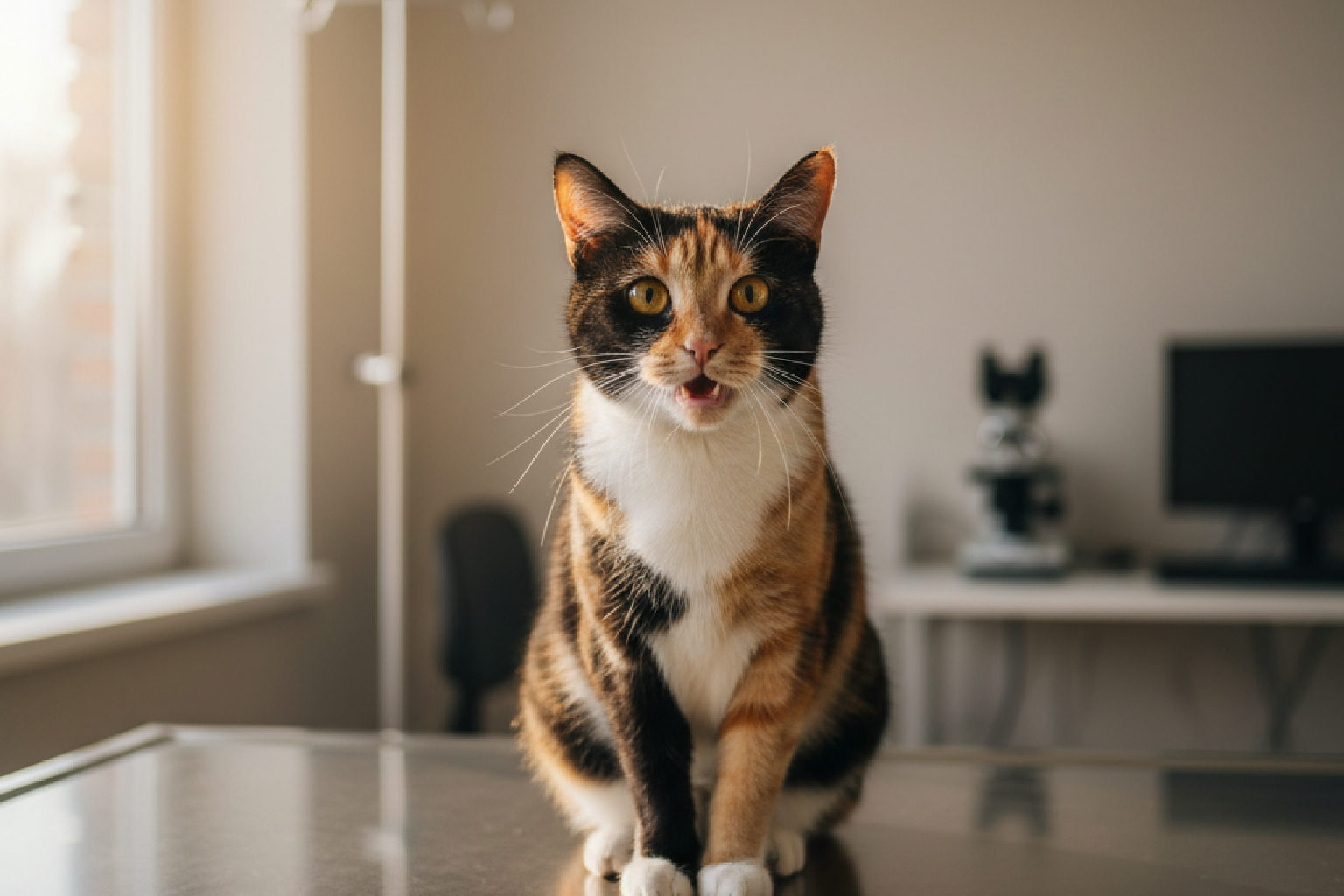
If your cat has stopped eating, drools constantly, or screams when yawning, feline stomatitis may be the cause. This is one of the most painful conditions I see in cats at Hearthstone Animal Clinic in Cypress, TX, and it often goes undiagnosed for months because cats hide pain so well. The good news: we have effective treatments. The hard part is that most of them require more than medication alone.
What is feline stomatitis, exactly?
Feline stomatitis (formally called feline chronic gingivostomatitis, or FCGS) is severe, often ulcerative inflammation of the mouth. Unlike regular dental disease where tartar builds up and gums get a little red, stomatitis involves the entire oral cavity. The gums, the back of the throat, the tissue under the tongue, even the roof of the mouth can become raw, swollen, and bloody.
The underlying cause is an overreaction of the cat's immune system. The immune system attacks the teeth (specifically the bacteria around them) so aggressively that it destroys the surrounding tissue in the process. Think of it as an autoimmune disease of the mouth. We don't fully understand why some cats develop this and others don't, but we know certain factors increase risk:
- Calicivirus and feline herpesvirus infections (even past infections)
- Feline leukemia virus (FeLV) or feline immunodeficiency virus (FIV)
- Genetic predisposition (purebred cats, especially Siamese and Abyssinians, seem overrepresented)
- Chronic dental disease or retained tooth roots
The American Veterinary Medical Association estimates stomatitis affects somewhere between 0.7% and 12% of cats, depending on the population studied. That's a wide range, but even at the low end, this is not a rare disease.
What are the signs of stomatitis in cats?
Cats are masters at hiding discomfort, so by the time owners notice symptoms, the disease is usually advanced. Here's what I typically see:
- Decreased appetite or complete refusal to eat (the most common reason owners bring cats in)
- Dropping food, chewing on one side, or swallowing kibble whole
- Excessive drooling, sometimes blood-tinged
- Pawing at the mouth or face
- Bad breath (really bad, not just "cat breath")
- Weight loss
- Unkempt coat (grooming hurts, so they stop)
- Hiding or behavior changes
- Crying or hissing when yawning or eating
If your cat shows any combination of these signs, this warrants a veterinary exam. Get your pet seen the same day if your cat hasn't eaten in more than 24 hours.
How is stomatitis diagnosed?
Diagnosis starts with an oral exam, though many cats with stomatitis won't let us look in their mouths while awake because it hurts too much. A brief sedated exam or anesthesia is often necessary to see the full extent of disease.
What I look for during the exam
Healthy gums are pale pink and firm. In stomatitis, I see bright red, swollen tissue that bleeds when touched. The inflammation typically extends beyond just the gum line to the caudal oral mucosa (the tissue at the back of the mouth, near the throat). This location is a key diagnostic clue: regular dental disease stays at the gum line, while stomatitis spreads.
Additional testing
I recommend testing for FeLV and FIV in any cat with stomatitis, since these viruses affect treatment decisions and prognosis. Dental X-rays under anesthesia help identify tooth root problems. In some cases, a biopsy confirms the diagnosis and rules out oral cancer, which can look similar.
What are the treatment options for feline stomatitis?
This is where the conversation gets difficult. Medical management alone rarely cures stomatitis. It can control symptoms temporarily, but most cats eventually need surgery.
Medical management
I use medical therapy to reduce pain and inflammation, especially while planning for surgery or in cats who aren't surgical candidates:
- Pain medication: Buprenorphine is the most common choice. Cats need daily pain control to eat.
- Antibiotics: Clindamycin or amoxicillin-clavulanate help control secondary bacterial infection.
- Steroids: Prednisolone reduces inflammation quickly but has significant long-term side effects (diabetes, immune suppression). I use steroids as a bridge, not a solution.
- Immunosuppressants: Cyclosporine or other drugs can help some cats, though response is inconsistent.
The problem with medical management is that it treats symptoms, not the cause. Most cats relapse when medications are tapered, and long-term steroid use creates new problems.
Dental extractions: the most effective treatment
This is the part most owners don't want to hear, but it's the truth: full-mouth or near-full-mouth tooth extraction is the most effective treatment for feline stomatitis. About 60-80% of cats go into complete remission after extraction, meaning no more medication needed. Another 10-20% improve significantly with only occasional medical support.
Why does removing the teeth work? Because it removes the trigger for the immune overreaction. No teeth means no plaque bacteria for the immune system to attack, which means the inflammation resolves.
I know the idea of a cat without teeth sounds extreme. But cats don't chew their food the way we do. They use teeth primarily for killing prey and tearing meat, not grinding. Cats without teeth eat kibble, wet food, even dry treats just fine. They swallow pieces whole or gum soft food. Quality of life after extraction is dramatically better than living with chronic mouth pain.
What does extraction surgery cost?
Full-mouth extractions for stomatitis typically run $1,500 to $3,000 depending on the number of teeth, whether dental X-rays are needed (they usually are), and the time required. Some cases are straightforward; others take hours if teeth are difficult to extract or roots are fragmented. I give owners a realistic estimate after the initial exam and X-rays, and we discuss what to expect.
What happens if stomatitis goes untreated?
Untreated stomatitis is a quality-of-life crisis. Cats in chronic pain stop eating, lose weight, and become withdrawn. Malnutrition and muscle wasting follow. Some cats develop secondary infections that spread beyond the mouth. I've seen cats with stomatitis lose half their body weight before owners realized how serious the problem was.
If your cat is showing signs of mouth pain, waiting makes everything worse. The disease progresses, the cat suffers longer, and surgery becomes more complicated.
Can stomatitis be prevented?
There's no guaranteed prevention, but good dental care starting early in life may reduce risk. Regular teeth cleanings, daily brushing if your cat tolerates it, and prompt treatment of dental disease all help. Testing for and vaccinating against feline viruses (where vaccines exist) is also worthwhile.
For cats who have recovered from stomatitis after extractions, maintaining good overall health supports continued remission. Relapses do occur in some cats, but they're the minority when surgery was complete.
When to see your Cypress veterinarian
Bring your cat in for evaluation if you notice any of the following:
- Decreased appetite lasting more than a day or two
- Drooling, especially if blood-tinged
- Bad breath that's new or worsening
- Reluctance to eat hard food
- Weight loss or poor coat condition
- Visible redness or swelling in the mouth
Early intervention gives us more options and improves outcomes. If your cat hasn't eaten in over 24 hours, that's urgent.
If your cat is showing signs of mouth pain or has stopped eating, don't wait to find out why. Schedule a visit at Hearthstone Animal Clinic or reach us at (281) 859-9244. We see cats with stomatitis regularly here in Cypress, TX, and if this is what's going on with your cat, I can walk you through exactly what we're dealing with and what it takes to get them comfortable again.
Have a question about your pet?
Dr. Pelton and the Hearthstone team are here to help, the same day when it counts.
Get Your Pet Seen