
Giardia in Dogs: A Cypress Vet's Guide to Symptoms and Treatment
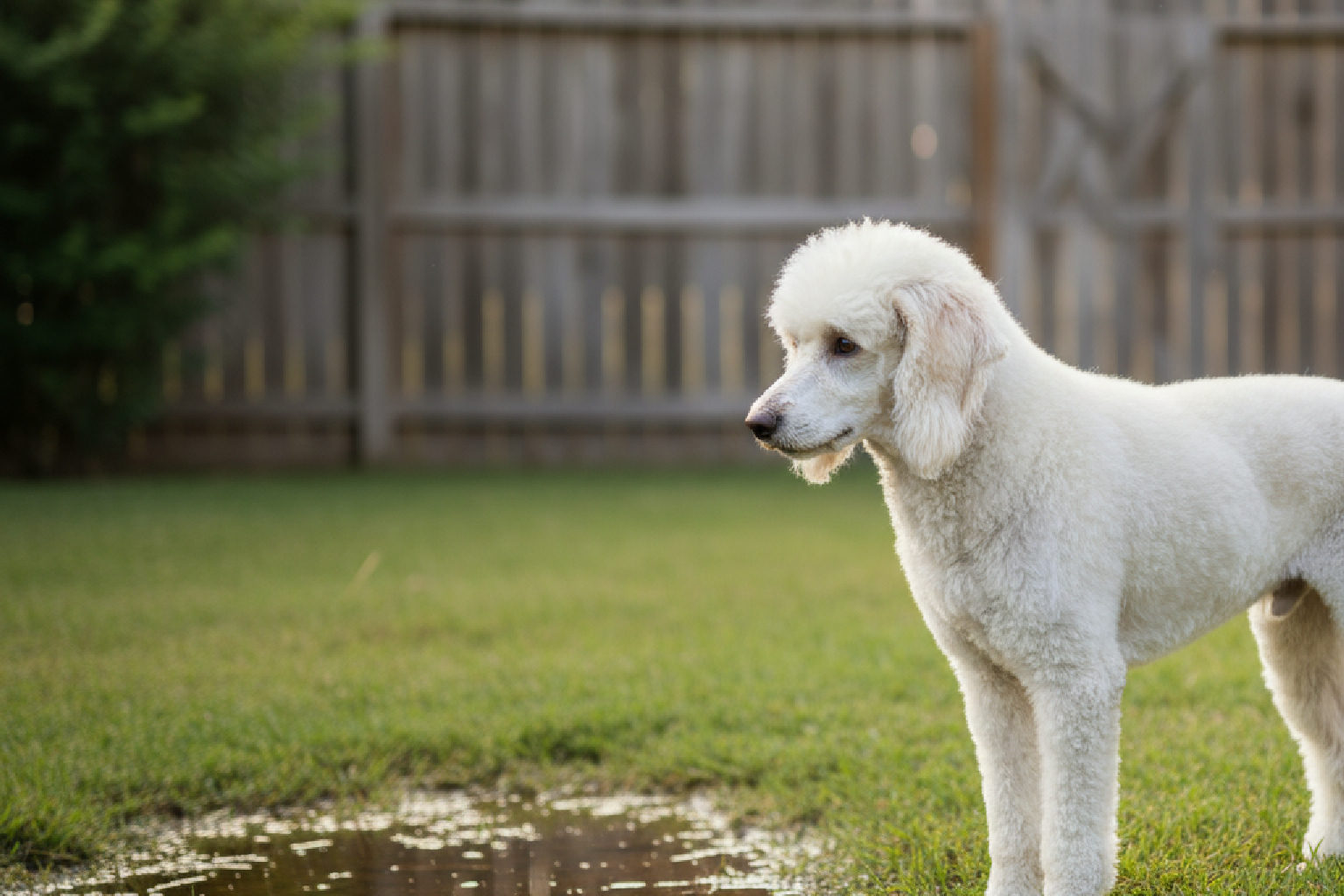
If your dog has had diarrhea for more than a few days, especially if it's soft, mucousy, or has a greasy sheen, giardia should be on the list of suspects. This microscopic parasite is one of the most common causes of persistent diarrhea I see at Hearthstone Animal Clinic in Cypress, TX, and it's more prevalent here than many owners realize. Our warm, humid climate and abundant bayous, drainage ditches, and standing water make this area prime territory for giardia transmission.
What is giardia and how do dogs get it?
Giardia is a single-celled protozoan parasite (not a worm, not a bacteria) that lives in the small intestine of infected animals. Dogs pick it up by swallowing giardia cysts, the dormant, shell-protected form of the parasite that can survive for months in cool, moist environments.
The most common routes of infection:
- Drinking contaminated water from puddles, ponds, ditches, or even shared water bowls at dog parks
- Eating grass or dirt where an infected animal has defecated
- Grooming contaminated fur, either their own or another dog's
- Direct contact with infected feces, which happens more often than owners think
Once swallowed, the cysts open in the small intestine and release active parasites (called trophozoites) that attach to the intestinal lining and multiply. Within 5 to 12 days, the dog starts shedding new cysts in their stool, and the cycle continues. A single gram of infected feces can contain millions of cysts.
What are the symptoms of giardia in dogs?
Not every dog with giardia looks sick. Healthy adult dogs sometimes carry the parasite without showing symptoms. But when signs do appear, the most common ones are:
- Diarrhea that's soft, pale, greasy-looking, or has visible mucus
- Foul-smelling stool (more than the usual unpleasantness)
- Gas and abdominal cramping
- Weight loss, especially in puppies or dogs with prolonged infections
- Intermittent symptoms: diarrhea that comes and goes over days or weeks
This is the part most owners get wrong, and it's not their fault. Because symptoms can be intermittent, many people assume the problem resolved on its own, or they attribute the occasional loose stool to diet changes. Meanwhile, the dog keeps shedding cysts and can reinfect itself.
Puppies and immunocompromised dogs tend to have the worst symptoms. In young dogs, persistent giardia can lead to dehydration and poor growth if left untreated.
How is giardia diagnosed?
Diagnosing giardia isn't always straightforward. The parasite sheds intermittently, so a single negative fecal test doesn't rule it out. Here's what I typically recommend:
Fecal flotation
This is the standard test where we mix a stool sample with a solution that causes parasite eggs and cysts to float to the surface. It catches many giardia cases but can miss infections if the dog wasn't shedding cysts that day.
Giardia antigen test (ELISA or SNAP test)
This test detects giardia proteins in the stool and is more sensitive than flotation alone. Most veterinarians, including us at Hearthstone, use this as the primary diagnostic tool when giardia is suspected. According to the Companion Animal Parasite Council, combining a fecal flotation with an antigen test gives the best chance of accurate diagnosis.
Multiple samples
If I strongly suspect giardia but the first test is negative, I'll often recommend retesting with a sample collected over 2 to 3 days. This increases the odds of catching the parasite during an active shedding phase.
How is giardia treated?
Treatment usually involves a combination of medication and environmental decontamination. The medication alone won't solve the problem if your dog keeps reinfecting itself from its own environment.
Medications
The two most commonly used drugs are:
- Metronidazole (Flagyl): An antibiotic with antiprotozoal activity. Typical course is 5 to 7 days. Some dogs experience nausea or loss of appetite.
- Fenbendazole (Panacur): A broad-spectrum dewormer that's also effective against giardia. Usually given for 3 to 5 days. This is often my first choice because it's well-tolerated and also treats common intestinal worms.
In stubborn cases, I'll combine both medications. Treatment cost at most clinics runs $30 to $80 depending on the dog's size and which drugs are used.
Environmental cleanup
This step is just as important as the medication. Giardia cysts stick to fur and persist in the environment, so without proper cleanup, reinfection is almost guaranteed.
- Bathe your dog on the last day of treatment. Focus on the hindquarters where fecal material clings to fur.
- Pick up all feces from your yard immediately, every time.
- Wash bedding, toys, and food bowls in hot water. Dishwashers work well for bowls.
- Disinfect hard surfaces with diluted bleach (1:32 ratio) or quaternary ammonium disinfectants. Let surfaces air dry.
- Steam clean carpets if possible, as the heat kills cysts.
Outdoor areas are harder to control. Giardia cysts are killed by drying and direct sunlight, so keeping your yard well-drained helps. Standing water is your enemy.
Can humans catch giardia from dogs?
Yes, but the risk is often overstated. Giardia comes in multiple "assemblages" (essentially genetic strains). Dogs typically carry assemblages C and D, while humans are usually infected by assemblages A and B. Cross-species transmission is possible but uncommon.
That said, basic hygiene matters. Wash your hands after picking up dog feces, cleaning up accidents, or handling a dog being treated for giardia. Immunocompromised family members or young children should take extra precautions.
Why does giardia keep coming back?
If you're reading this because your dog has had giardia twice, three times, or more, you're not alone. Reinfection is the biggest frustration with this parasite. The reasons are usually:
- Incomplete environmental decontamination. Cysts survive for weeks in moist, shaded areas.
- Multi-dog households. One dog clears the infection while another keeps shedding.
- Dog parks and daycare. High-traffic areas with shared water sources are giardia hotspots.
- Drinking from puddles, ponds, or ditches. In Cypress, this is probably the most common source of reinfection.
If my dog had recurring giardia, I would keep a close eye on water sources, avoid communal water bowls, and consider a probiotic to support gut health during recovery. Gut health issues can sometimes overlap with other conditions, so if diarrhea persists despite treatment, it's worth investigating further.
When should you see a veterinarian?
Bring your dog in if you notice:
- Diarrhea lasting more than 2 to 3 days
- Blood in the stool
- Vomiting combined with diarrhea
- Lethargy or refusal to eat
- Weight loss, especially in puppies
- Diarrhea that keeps returning after seeming to resolve
Puppies and senior dogs can become dehydrated quickly, so don't wait too long to get them checked. A wellness panel may also be helpful if your dog has been dealing with persistent GI issues, as it can rule out other underlying causes.
Preventing giardia in Cypress, TX
Complete prevention is difficult because giardia is everywhere in the environment. But you can reduce the risk significantly:
- Bring your own water bowl to dog parks and fill it from a tap, not a communal source
- Prevent drinking from puddles, ponds, and drainage ditches
- Pick up feces promptly, both at home and in public
- Keep your yard well-drained and minimize standing water
- Schedule regular fecal exams, at least annually or whenever diarrhea persists
There is no vaccine for giardia currently available that I recommend for routine use. The existing vaccine has limited effectiveness and doesn't prevent infection, only reduces shedding.
If your dog has been dealing with persistent diarrhea, soft stools, or you suspect giardia exposure, let's get a fecal test and figure out what's going on. You can schedule a visit at Hearthstone Animal Clinic or give us a call at (281) 859-9244. We see giardia cases regularly here in Cypress, TX, and most dogs respond well to treatment once we get the right plan in place.
Have a question about your pet?
Dr. Pelton and the Hearthstone team are here to help, the same day when it counts.
Get Your Pet Seen