
Hurricane Evacuation with Cats: Carrier, Records, and Calming Tips
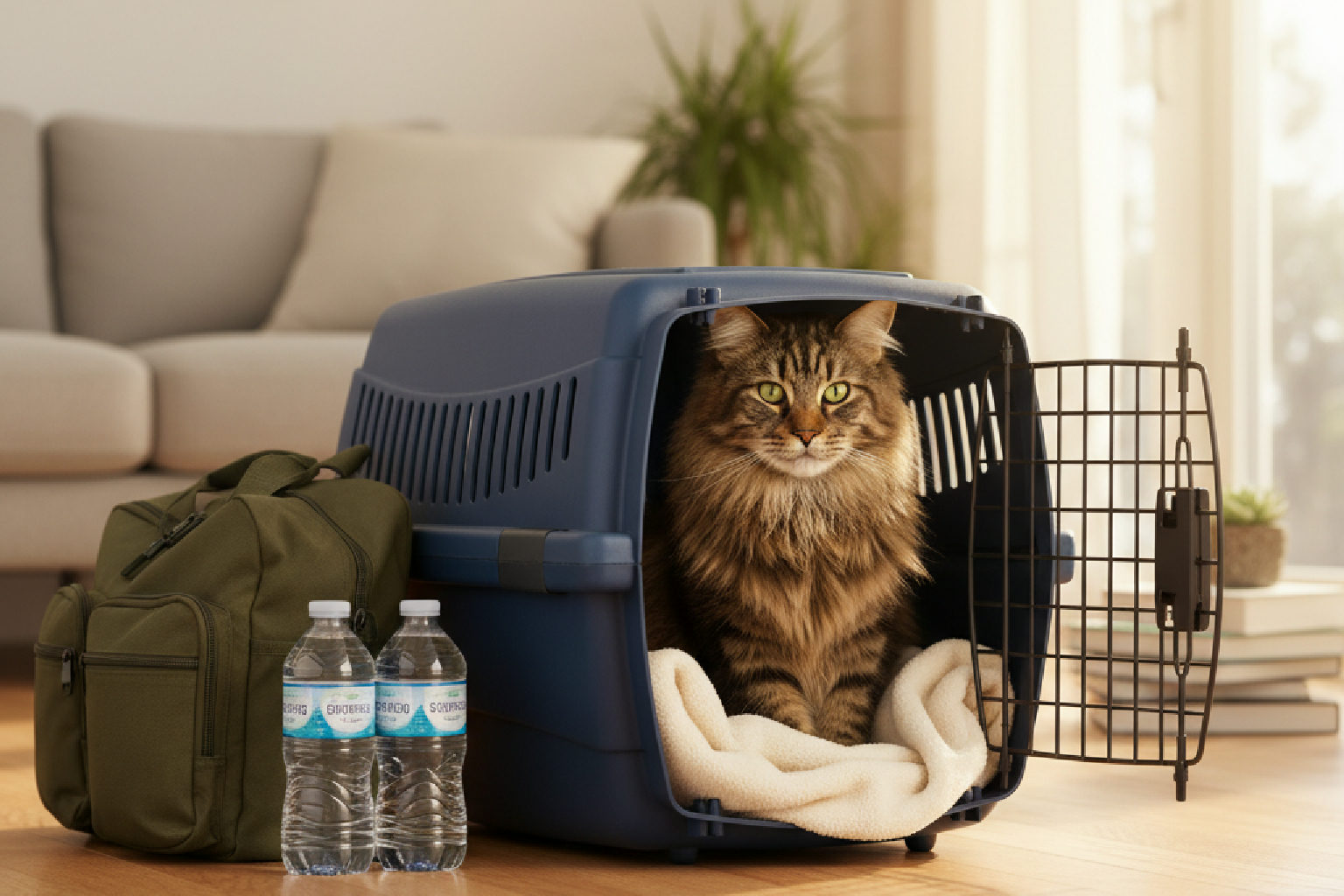
If you live in Cypress, TX and own a cat, you need a hurricane evacuation plan that includes your pet. Not a vague idea of what you might do, but an actual plan: carrier ready, records accessible, calming strategy tested before the storm hits. Most cat owners I talk to at Hearthstone Animal Clinic think they have a plan until they try to execute it at 2 AM with rising water and a cat hiding under the bed. This post covers what actually works.
Why do cats need a specific evacuation plan?
Dogs follow you. Cats hide. That single difference changes everything about emergency planning. A stressed cat will wedge itself into the smallest, darkest space in your home and stay there while you're trying to load the car. Unlike dogs, most cats have zero experience with car travel, which means the carrier itself is terrifying before you add a hurricane.
The other issue is shelters. Many emergency shelters don't accept pets, and the ones that do often have dog sections that will send a cat's stress through the roof. You need to know exactly where you're going before you leave, not figure it out while driving through evacuating traffic with a yowling cat.
How do I choose and prepare a cat carrier for emergencies?
The carrier you use for annual vet visits may not be the right carrier for evacuation. For hurricane prep, I recommend:
- Hard-sided carriers with top-loading doors: Getting a scared cat out of a front-loading carrier is a wrestling match. Top-loading lets you lower the cat in and lift them out without fighting gravity.
- Size matters: Your cat needs room to stand, turn around, and lie down. For multi-day evacuations, slightly larger is better.
- One carrier per cat: Do not plan to stack two cats in one carrier. Stress makes even bonded cats aggressive.
- Ventilation on multiple sides: Mesh or vents on at least two sides prevents overheating if you're stuck in traffic with a car full of luggage.
Make the carrier a normal part of life
The single best thing you can do is leave the carrier out in your home year-round with the door open. Put a blanket inside. Drop treats in occasionally. Cats who see the carrier as furniture instead of a threat are dramatically easier to load during emergencies. If your cat only sees the carrier when something stressful happens, you're training them to fear it.
What medical records do I need during evacuation?
If you end up at an emergency shelter, temporary boarding facility, or out-of-state vet, you will need proof of vaccination. At minimum, have physical or digital copies of:
- Rabies certificate: This is the non-negotiable one. Many shelters will not accept animals without current rabies documentation. Texas law requires rabies vaccination for cats.
- FVRCP (distemper) vaccination record: Most boarding facilities require this.
- Any chronic medication list: Drug names, dosages, and frequency. If your cat takes thyroid medication or insulin, write it down. Do not assume you will remember under stress.
- Recent photos of your cat: In case you get separated, you need clear photos for identification. Include any distinctive markings.
- Microchip number: If your cat is microchipped (which I strongly recommend), keep that number documented with your records.
Store copies in a waterproof bag with your evacuation supplies. I also recommend emailing yourself a copy so you can access records from any phone. The AVMA's disaster preparedness guide has additional documentation checklists worth reviewing.
Get records before storm season
If your cat is overdue for vaccines or you cannot find your records, now is the time to schedule an appointment, not when a storm is three days out. We can provide updated vaccination certificates and ensure your cat's microchip is registered with current contact information. Many owners discover their microchip registration lists an old address or phone number.
What supplies should I pack for my cat?
Pack a separate bag for your cat and store it with your carrier. Include:
- 3-5 days of food: Canned food is easier if you lose power. Bring a manual can opener.
- Bottled water: At least a gallon per cat for five days.
- Medications: At least a week's supply. If your cat takes prescription food or medication and you're running low, request refills early in hurricane season.
- Collapsible litter box and litter: A small aluminum roasting pan works in a pinch.
- Familiar blanket or towel: Something that smells like home reduces stress.
- Disposable food and water bowls
- Basic first aid supplies: Gauze, non-stick bandages, and your vet's phone number.
How can I keep my cat calm during evacuation?
Cat stress during evacuations is not just unpleasant; it can cause genuine medical problems. Stress-induced cystitis, vomiting, and diarrhea are common. Severely stressed cats may stop eating entirely. Here's what helps:
Pheromone products
Feliway spray is a synthetic version of the feline facial pheromone, the scent cats deposit when they rub their cheeks on furniture. Spray the inside of the carrier 15-20 minutes before loading your cat (the alcohol carrier needs time to evaporate). It does not sedate your cat but often reduces visible signs of stress. Not every cat responds, but it's safe and worth trying.
Covering the carrier
A towel or light blanket draped over the carrier blocks visual stimuli. Most cats feel safer in enclosed dark spaces. Leave one side uncovered for airflow.
Prescription calming medications
For cats with severe travel anxiety, prescription sedatives or anti-anxiety medications may be appropriate. Gabapentin is what I most commonly prescribe for travel stress in cats, typically given 2-3 hours before travel. The key is testing the medication before an emergency so you know how your cat responds and what dose works. Do not give your cat any sedative for the first time during an actual evacuation.
If your cat has a history of severe travel stress, talk to your Cypress veterinarian about having an appropriate medication on hand before hurricane season starts. You can request an appointment to discuss calming options and do a trial run.
What about CBD or over-the-counter calming treats?
I get asked about these constantly. The evidence for CBD in cats is limited, and quality control in the pet CBD market is poor, meaning you often don't know what you're actually giving. Some over-the-counter calming treats contain L-theanine or other compounds with mild effects, but none are as reliable as prescription options for truly anxious cats. They are unlikely to harm your cat, but don't count on them working during a real emergency.
Where can I evacuate with my cat in Texas?
This is the part most owners get wrong, and it's not their fault. The information is scattered and changes year to year. Start with these steps:
- Check with your evacuation destination: If you're staying with family, confirm they can accommodate your cat before the storm hits.
- Research pet-friendly hotels along your evacuation route: Many hotels waive pet fees during declared emergencies, but you need to confirm availability early.
- Know your county's pet-friendly shelter options: Harris County and Fort Bend County have historically offered pet-friendly emergency shelters during major hurricanes, but capacity is limited and rules change.
- Have a boarding backup: Identify boarding facilities outside your immediate evacuation zone and confirm their policies during emergencies.
Never leave your cat behind assuming you can return quickly. During Harvey, many Cypress residents could not return home for days or weeks. Cats left behind face dehydration, starvation, and drowning.
When should I contact my veterinarian before evacuating?
Call your vet before hurricane season if:
- Your cat's vaccinations are not current
- You need copies of medical records
- Your cat has severe travel anxiety and you want to discuss prescription options
- You need to verify or update microchip registration
- Your cat takes any chronic medication and you need extra supplies
During an active storm threat, veterinary clinics may close or operate on limited hours. Getting records, medications, and calming plans sorted out in June is far easier than scrambling in August.
Put your plan together now
The time to prepare is when the Gulf is quiet. Test your carrier setup, update your records, and know exactly where you're going if an evacuation order comes. If your cat needs a wellness check, vaccination updates, or you want to discuss calming medications before storm season, schedule a visit at Hearthstone Animal Clinic. We're located in Cypress, TX and happy to help you get everything in order. Give us a call at (281) 859-9244.
Have a question about your pet?
Dr. Pelton and the Hearthstone team are here to help, the same day when it counts.
Get Your Pet Seen