
IBD in Cats: Chronic Vomiting, Weight Loss, and How We Diagnose It
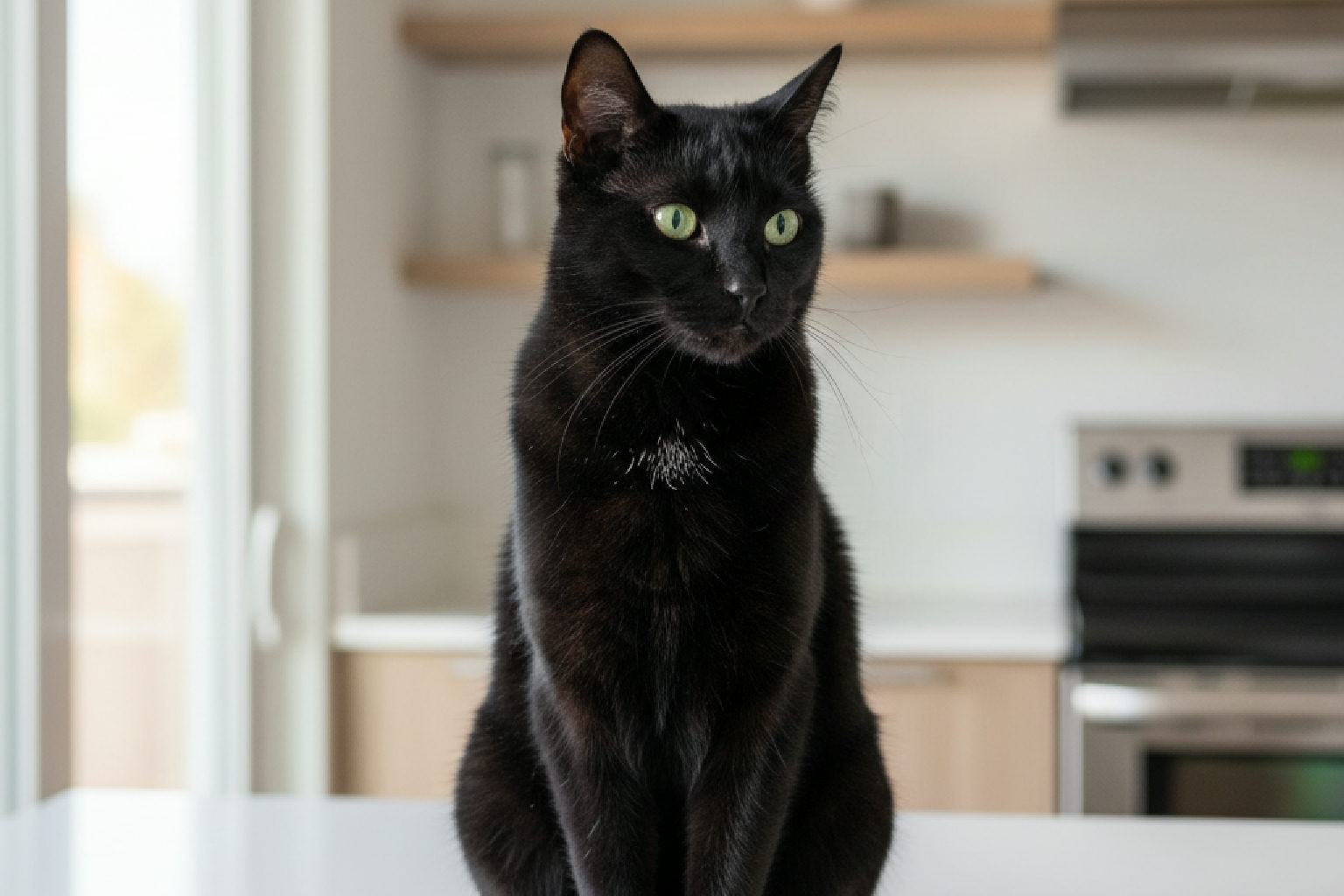
If your cat has been vomiting regularly for weeks or months, losing weight despite eating, or having soft stool that never quite resolves, inflammatory bowel disease (IBD) is one of the diagnoses we need to consider. At Hearthstone Animal Clinic in Cypress, TX, I see cats with these symptoms frequently, and IBD is among the most common causes of chronic gastrointestinal problems in middle-aged and older cats.
This is also one of the most misunderstood conditions. Many owners assume occasional vomiting is "just what cats do." Sometimes that's true. But when vomiting happens more than once or twice a month, or when it comes with weight loss, something else is going on. Let me walk you through what IBD actually is, how we figure out if your cat has it, and what treatment looks like.
What is inflammatory bowel disease in cats?
Feline IBD is a condition where inflammatory cells infiltrate the walls of the gastrointestinal tract (stomach, small intestine, or colon). This inflammation interferes with normal digestion and nutrient absorption. The result is chronic vomiting, diarrhea, weight loss, or some combination of all three.
The underlying cause isn't fully understood, but the prevailing theory is that IBD represents an abnormal immune response to something in the gut environment, whether that's food antigens, normal gut bacteria, or both. Some cats seem genetically predisposed. The immune system essentially overreacts to things it should tolerate, and the resulting inflammation damages the intestinal lining over time.
Types of IBD based on cell type
- Lymphocytic-plasmacytic IBD: The most common form. Involves lymphocytes and plasma cells. Usually responds well to treatment.
- Eosinophilic IBD: Involves eosinophils, a type of white blood cell associated with allergic responses. Sometimes linked to food allergies or parasites.
- Granulomatous IBD: Rare and more aggressive. Requires careful differentiation from intestinal lymphoma.
What does IBD look like in cats?
The symptoms depend on which part of the GI tract is most affected. Many cats have involvement across multiple areas, so they show a mix of signs.
When the stomach or small intestine is involved
- Chronic vomiting (more than 2-3 times per month for several months)
- Weight loss, often gradual
- Decreased appetite or increased appetite with continued weight loss
- Poor coat quality
- Lethargy
When the colon is involved
- Frequent, small bowel movements
- Mucus or fresh blood in the stool
- Straining to defecate
- Urgency
Here's what I tell my clients: a cat that vomits hairballs once a month is probably fine. A cat that vomits food, bile, or clear liquid weekly, or is losing weight, needs to be evaluated. That's not normal, and it's not something to wait out.
How is IBD diagnosed in cats?
This is where things get complicated. IBD cannot be diagnosed with a blood test or a stool sample alone. Those tests help us rule out other conditions and assess overall health, but the only way to definitively diagnose IBD is through biopsy of the intestinal tissue.
Step 1: Rule out the obvious
Before pursuing biopsies, I run baseline diagnostics to exclude other causes of chronic vomiting and weight loss:
- Comprehensive blood panel: Checks kidney function, liver values, blood glucose, and protein levels. Low albumin and cobalamin (B12) can suggest intestinal malabsorption.
- Thyroid test: Hyperthyroidism causes weight loss in older cats and can also cause vomiting.
- Fecal exam: Parasites like giardia or roundworms can mimic IBD.
- Urinalysis: Helps rule out kidney disease.
If your cat is over 10, I strongly recommend senior bloodwork panels as a starting point for any chronic illness workup.
Step 2: Imaging
Abdominal ultrasound is the imaging modality of choice for suspected IBD. It allows us to measure intestinal wall thickness, check for enlarged lymph nodes, and look for masses or foreign bodies. Thickened intestinal walls on ultrasound are suggestive of IBD, though not diagnostic on their own. Lymphoma can look identical.
Step 3: Biopsy
There are two options for obtaining intestinal biopsies:
- Endoscopy: A camera is passed through the mouth or rectum to collect small tissue samples from the stomach, duodenum, or colon. Less invasive, faster recovery, but only samples the superficial layers and can miss disease deeper in the intestinal wall.
- Surgical (full-thickness) biopsy: Requires abdominal surgery but provides larger, more diagnostic samples. Often recommended when lymphoma is a concern, because distinguishing low-grade lymphoma from IBD requires seeing the full intestinal wall architecture.
I understand that biopsies sound aggressive for a cat that "just vomits sometimes." But here's the issue: IBD and intestinal lymphoma look nearly identical on bloodwork and ultrasound. The treatment and prognosis are very different. If we're going to commit to long-term immunosuppressive therapy, I want to know what we're treating.
For more on the diagnostic tests we offer and what they cost, visit our pricing page.
How is feline IBD treated?
Treatment focuses on reducing inflammation in the gut. Most cats need a combination of dietary management and medication, at least initially.
Dietary therapy
A novel protein diet (one your cat has never eaten before) or a hydrolyzed protein diet (where proteins are broken down so small the immune system doesn't react to them) is often the first step. Some cats with mild IBD respond to diet alone. This requires strict compliance: no treats, no table food, no other cat's food.
I typically recommend a diet trial for 8-12 weeks. If symptoms improve significantly, we may avoid or minimize medication.
Medications
- Prednisolone: A corticosteroid and the first-line drug for most cats with IBD. It reduces intestinal inflammation effectively. Side effects can include increased thirst, urination, and appetite. Long-term use requires monitoring for diabetes, especially in overweight cats.
- Budesonide: A steroid that acts more locally in the gut with fewer systemic effects. Useful for cats who don't tolerate prednisolone well or have concurrent conditions like diabetes.
- Metronidazole: An antibiotic with anti-inflammatory properties in the gut. Sometimes used as an add-on therapy.
- Chlorambucil: A chemotherapy drug used for severe IBD that doesn't respond to steroids, or when low-grade lymphoma can't be fully ruled out. Generally well-tolerated in cats.
Cobalamin (B12) supplementation
Cats with IBD affecting the small intestine often have low B12 levels because they can't absorb it properly. Low B12 makes cats feel lousy and interferes with healing. I check B12 on most IBD cases and supplement with injections or high-dose oral cobalamin if it's low.
What's the prognosis for cats with IBD?
Most cats with lymphocytic-plasmacytic IBD respond well to treatment. Many achieve remission and maintain a good quality of life for years. The goal is to find the lowest effective dose of medication, or ideally, to control symptoms with diet alone.
That said, IBD is a chronic condition. Flares can happen, especially with dietary indiscretion or stress. Some cats need lifelong low-dose steroids. And a small percentage of IBD cases eventually progress to intestinal lymphoma, which is why follow-up monitoring matters.
According to the American Animal Hospital Association, cats on long-term corticosteroid therapy should be monitored for secondary diabetes, which is one reason I recheck bloodwork every 6-12 months in these patients.
When should you see a veterinarian about chronic vomiting?
If your cat is vomiting more than 2-3 times per month, or if any of the following apply, it's time for an evaluation:
- Weight loss (even a pound is significant in a 10-pound cat)
- Decreased appetite or eating less than usual
- Vomiting that has been going on for more than a month
- Diarrhea or soft stool that won't resolve
- Lethargy or hiding behavior
The instinct to wait and see is understandable, especially if your cat still seems "mostly okay." But chronic inflammation damages the intestinal lining progressively. The earlier we intervene, the better the long-term outcome.
Getting your cat the right diagnosis in Cypress, TX
If your cat has been vomiting for weeks, losing weight, or just isn't thriving the way they should be, don't assume it's normal aging or hairballs. IBD is treatable, but it requires the right workup to diagnose and the right plan to manage. If this was my cat, I'd want answers sooner rather than later.
If you're concerned about chronic GI symptoms in your cat, schedule a visit at Hearthstone Animal Clinic or call us at (281) 859-9244. We're here in Cypress, TX, and we can help you figure out what's going on and what to do about it.
Have a question about your pet?
Dr. Pelton and the Hearthstone team are here to help, the same day when it counts.
Get Your Pet Seen