
Luxating Patella in Dogs: Why Small Breeds Skip and Hop
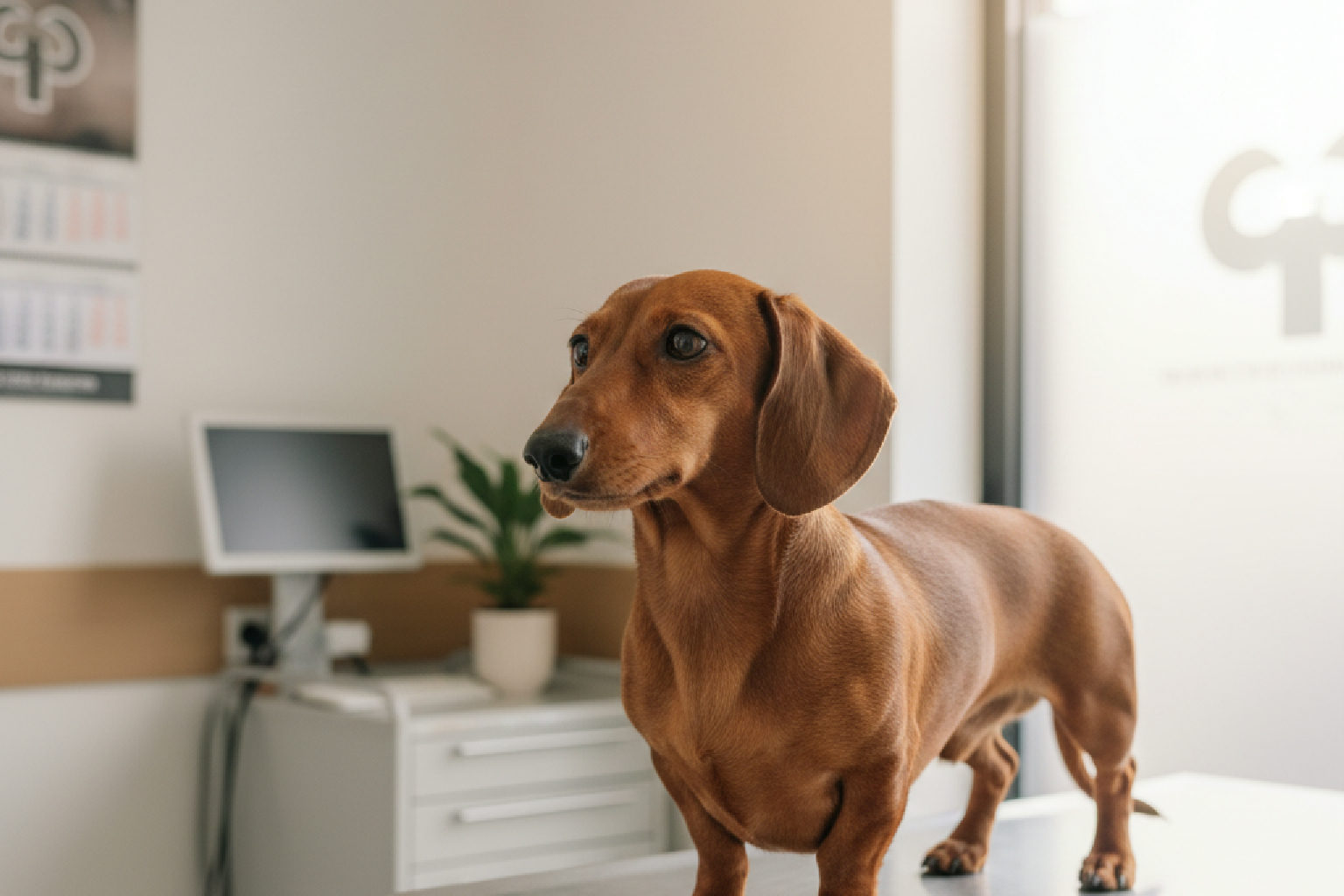
If your small dog occasionally lifts one back leg mid-walk, takes a few hopping steps, then puts it down and walks normally again, you are probably watching a luxating patella in action. This is one of the most common orthopedic conditions I see in toy and small breed dogs here at Hearthstone Animal Clinic in Cypress, TX. The good news: not every case needs surgery. The harder part is knowing which ones do.
What is a luxating patella?
The patella is your dog's kneecap. It sits in a groove at the front of the femur (thigh bone) and glides up and down as the leg bends and straightens. In dogs with a luxating patella, that groove is too shallow, or the surrounding anatomy pulls the kneecap out of alignment. When the patella slips out of the groove, the leg cannot extend properly, so the dog holds it up.
Most luxations are medial, meaning the kneecap pops toward the inside of the leg. This happens because of the way small dogs' leg bones develop: the femur often bows slightly, the tibial crest (where the patellar tendon attaches) rotates inward, and the groove itself is underdeveloped. The condition is almost always genetic and present from birth, though owners usually do not notice it until the dog is six months to two years old.
Breeds most commonly affected
- Yorkshire Terriers
- Pomeranians
- Chihuahuas
- Maltese
- Toy and Miniature Poodles
- Boston Terriers
- French Bulldogs
- Cavalier King Charles Spaniels
Larger dogs can develop luxating patellas too, but it is far less common and more often associated with trauma or an underlying conformational problem like hip dysplasia.
What do the grades mean?
Veterinarians grade luxating patellas on a scale of 1 to 4 based on how easily the kneecap slips out and whether it stays out. Understanding this grading system helps you make sense of what I am telling you during the exam.
Grade 1
The kneecap stays in place during normal activity but can be pushed out manually. It pops right back in on its own. Many dogs live their entire lives with grade 1 luxation and never show clinical signs.
Grade 2
The patella spontaneously luxates during movement, causing the classic skip-hop. The dog often straightens the leg to pop it back in, then walks normally. This is the most common grade I diagnose in small breeds in Cypress.
Grade 3
The patella is out of the groove most of the time but can still be manually replaced. These dogs show more consistent lameness and often walk with a crouched, bowlegged stance.
Grade 4
The patella is permanently out of the groove and cannot be replaced. The leg is usually held up constantly, and the dog has significant deformity of the bones.
Does my dog need surgery?
This is the question owners really want answered. Here is how I approach it:
Grade 1: Surgery is rarely recommended. We monitor and keep body weight optimal.
Grade 2: This depends on how often the luxation happens and whether it causes lameness. If your dog skips once a month and otherwise runs and plays normally, conservative management is reasonable. If the luxation happens multiple times per day, causes visible pain, or the dog avoids using the leg, surgery becomes the better choice. Grade 2 patellas can progress to grade 3 over time, especially in young dogs, so I recheck these patients at least once a year.
Grades 3 and 4: Surgery is almost always recommended. Left untreated, the abnormal mechanics grind away cartilage and cause progressive arthritis. By the time a dog is five or six years old with an untreated grade 3 or 4 luxation, the joint damage is often irreversible.
What does surgery involve?
The surgical approach depends on the anatomy. Most dogs need some combination of:
- Trochleoplasty: Deepening the groove where the patella sits
- Tibial crest transposition: Moving the bony attachment point of the patellar tendon to realign the pull
- Lateral imbrication: Tightening the soft tissue on the outside of the knee to prevent medial drift
- Medial release: Loosening the tight tissue on the inside of the knee
In Cypress, surgical correction typically runs $2,000 to $4,000 per knee, depending on the severity and whether a specialist performs the procedure. Some general practice surgeons handle straightforward grade 2 corrections; grades 3 and 4 often benefit from a board-certified orthopedic surgeon. I am happy to discuss the options and make referrals when appropriate. You can review what we offer directly on our services page.
Recovery expectations
Most dogs are toe-touching lame for the first two weeks, then gradually return to normal activity over eight to twelve weeks. Strict rest and physical therapy exercises at home are the keys to a good outcome. The success rate for properly selected surgical candidates is around 90%, according to the American College of Veterinary Surgeons.
Can I manage a luxating patella without surgery?
For mild cases (grade 1 and some grade 2s), yes. Here is what actually helps:
- Weight management: Every extra pound increases the load on that knee. This matters more than any supplement.
- Joint supplements: Glucosamine, chondroitin, and omega-3 fatty acids may support cartilage health. They will not fix the mechanical problem, but they are low-risk.
- NSAIDs for flare-ups: When your dog has a painful episode, a short course of a veterinary anti-inflammatory can help. Never give human ibuprofen or naproxen.
- Controlled exercise: Leash walks and swimming build muscle without jarring impact. Avoid activities that encourage sudden twisting or jumping.
- Physical therapy: Strengthening the quadriceps helps stabilize the kneecap. I can show you simple exercises to do at home.
If you are managing allergies or another condition alongside an orthopedic issue, we can coordinate medications and supplements to avoid interactions.
How can I tell if it is getting worse?
Watch for these signs that conservative management is no longer enough:
- The skipping episodes become more frequent
- Your dog avoids jumping on furniture or going up stairs
- Lameness lasts longer after each episode
- You hear a clicking or grinding sound from the knee
- Muscle mass in the affected thigh decreases noticeably
- Your dog sits with the leg kicked out to the side
Progression is not inevitable. Some dogs stay at grade 2 for years. Others deteriorate quickly. The only way to know is to monitor with periodic exams.
When to bring your dog in
If your dog is doing the classic skip-hop and you have never had the knee evaluated, that is worth a visit. If a diagnosed luxating patella suddenly seems more painful, more frequent, or your dog stops putting weight on the leg entirely, do not wait. Acute worsening can indicate a ligament tear (cruciate rupture), which small dogs with luxating patellas are at higher risk for.
If you are noticing any of these signs in your small breed, let's take a look and figure out where things stand. You can schedule a visit at Hearthstone Animal Clinic or reach us at (281) 859-9244. We see this condition regularly in Cypress, TX, and I can give you a clear picture of whether your dog needs intervention now, later, or possibly never.
Have a question about your pet?
Dr. Pelton and the Hearthstone team are here to help, the same day when it counts.
Get Your Pet Seen