
Lymphoma in Dogs: Recognizing Swollen Lymph Nodes Early
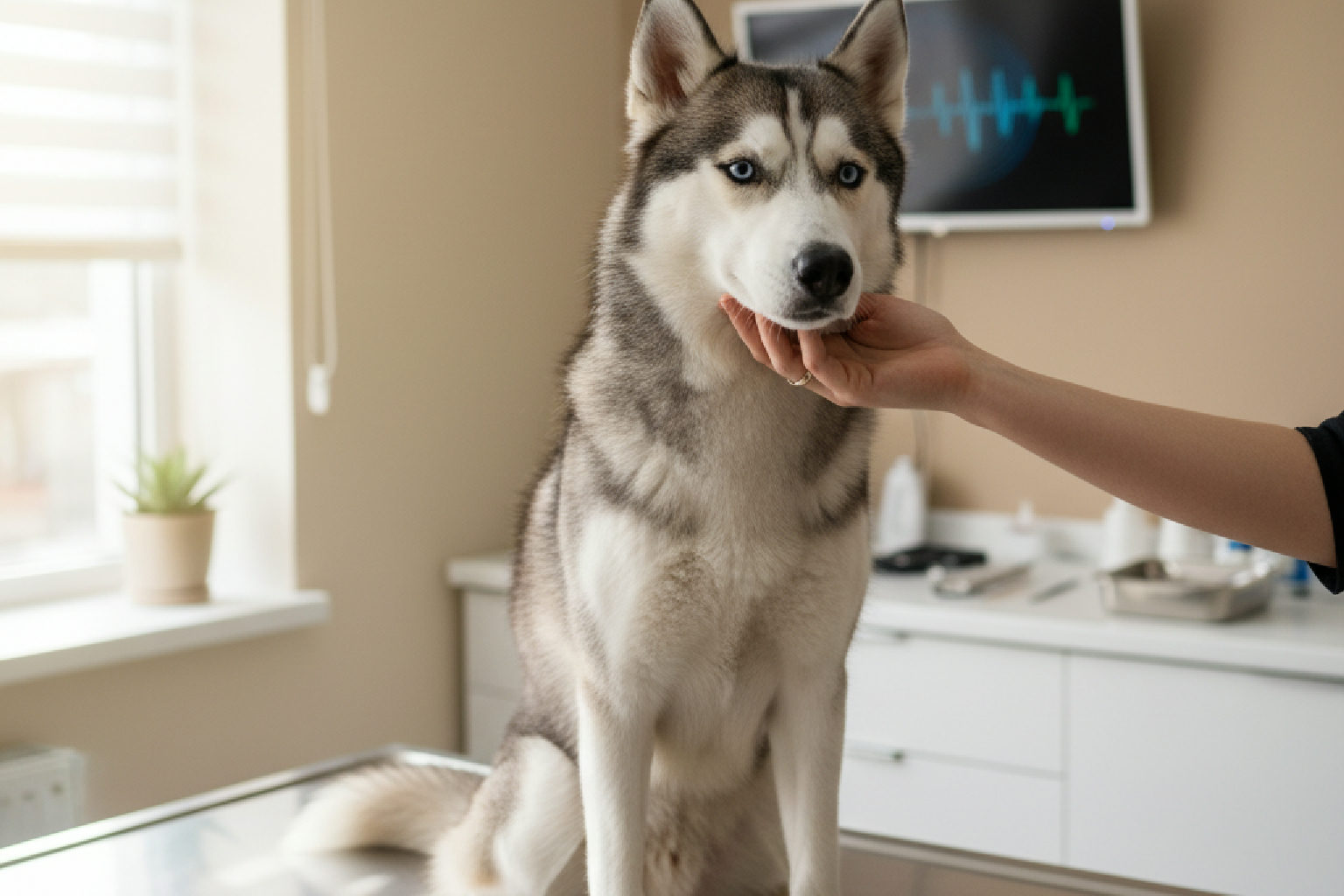
If you've noticed lumps under your dog's jaw, in front of the shoulders, or behind the knees, you're right to be concerned. Swollen lymph nodes in dogs are one of the earliest and most visible signs of lymphoma, and catching it early matters. As a Cypress veterinarian with 25 years in practice, I want to walk you through what lymphoma actually is, how to check your dog at home, and what treatment realistically looks like in 2024.
What is lymphoma in dogs?
Lymphoma (also called lymphosarcoma) is a cancer of the lymphocytes, a type of white blood cell that normally helps fight infection. Instead of doing their job, these cells multiply uncontrollably and accumulate in the lymph nodes, spleen, liver, and sometimes other organs.
Lymphoma accounts for 15-20% of all canine cancers, making it one of the most common cancers I diagnose at Hearthstone Animal Clinic. It tends to affect middle-aged to older dogs (typically 6-9 years), though I've seen it in dogs as young as 3. Some breeds carry higher risk: Golden Retrievers, Boxers, Bulldogs, and German Shepherds appear more frequently in the oncology referral statistics.
The four types of canine lymphoma
- Multicentric lymphoma (80-85% of cases): Affects external lymph nodes throughout the body. This is the type most owners discover first.
- Alimentary lymphoma (5-7%): Targets the gastrointestinal tract. Causes vomiting, diarrhea, weight loss.
- Mediastinal lymphoma (rare): Involves lymph nodes in the chest, often causing breathing difficulty.
- Extranodal lymphoma: Affects specific organs like skin, eyes, kidneys, or nervous system.
What do swollen lymph nodes look like in dogs?
In multicentric lymphoma, the lymph nodes enlarge dramatically, sometimes reaching 3-10 times their normal size. They typically feel firm, rubbery, and non-painful when you press on them. This is different from the tender, warm swelling you'd see with an infection.
Here's the tricky part: many owners don't realize they're feeling lymph nodes at all. They describe finding "lumps" or "bumps" that appeared out of nowhere. In most healthy dogs, you can't feel the lymph nodes at all, so any palpable node is worth investigating.
Where to check your dog's lymph nodes
There are five external lymph node locations you can check at home:
- Submandibular: Under the jaw, just behind the angle of the jawbone
- Prescapular: In front of the shoulder blades, in the muscular groove
- Axillary: In the "armpit" area (harder to feel)
- Inguinal: In the groin, near where the back leg meets the body
- Popliteal: Behind the knee joint on the back legs
Make it part of your routine. When you're petting your dog, run your fingers over these areas. You're looking for anything that feels like a firm grape or marble under the skin. If this was my dog, I'd check monthly.
Does my dog feel sick with lymphoma?
This is what catches most owners off guard. In early-stage multicentric lymphoma, dogs often feel completely normal. They're eating well, playing normally, and showing no signs of illness despite having significantly enlarged lymph nodes throughout their body.
As the disease progresses, you may notice:
- Decreased appetite or weight loss
- Increased thirst and urination
- Lethargy or exercise intolerance
- Vomiting or diarrhea (especially with alimentary lymphoma)
- Labored breathing or coughing (with mediastinal involvement)
- Fever
Dogs that still feel good at diagnosis generally respond better to treatment and have longer survival times. That's the main argument for checking those lymph nodes regularly.
How is lymphoma diagnosed?
When I suspect lymphoma, the first step is usually a fine needle aspirate (FNA) of an enlarged lymph node. This is a quick, minimally invasive procedure where I insert a small needle into the node and collect cells to examine under the microscope. Most dogs tolerate it without sedation.
In many cases, the FNA provides a definitive diagnosis within 24-48 hours. Lymphoma cells have a distinctive appearance: large, round cells that look nothing like the normal lymph node architecture.
Additional testing
Once lymphoma is confirmed, I recommend staging to determine how far the cancer has spread. This typically includes:
- Complete bloodwork (CBC, chemistry panel)
- Urinalysis
- Chest X-rays
- Abdominal ultrasound
- Bone marrow aspirate (in some cases)
Staging helps predict prognosis and guides treatment decisions. The American Veterinary Medical Association considers staging essential before starting chemotherapy.
What are the treatment options for canine lymphoma?
There's no cure for lymphoma in dogs, but there are treatments that can provide meaningful quality time. The goal is remission, a period where the cancer is undetectable and your dog feels normal.
Chemotherapy (the CHOP protocol)
The gold standard treatment is a multi-drug chemotherapy protocol called CHOP (cyclophosphamide, doxorubicin, vincristine, and prednisone). This is usually administered by a veterinary oncologist and involves weekly or bi-weekly visits for about 4-6 months.
What I see in practice: About 80-90% of dogs achieve remission with CHOP. Median survival time is 10-14 months, with roughly 20-25% of dogs living two years or longer.
Cost: A full CHOP protocol typically runs $6,000-$12,000 depending on your dog's size and the oncology practice. This is a significant investment, and I'm always honest with owners about what they're getting for that money: more good time, not a cure.
Side effects: Chemotherapy in dogs is generally much better tolerated than in humans. Most dogs experience mild, manageable side effects (decreased appetite, mild GI upset, lethargy for a day or two after treatment). Severe reactions occur in less than 5% of patients.
Prednisone alone
Some owners can't pursue chemotherapy due to cost, their dog's other health conditions, or personal preference. Prednisone alone can shrink lymph nodes and make dogs feel better temporarily.
Median survival with prednisone alone is 1-2 months. The relief is real but short-lived, and once the cancer becomes prednisone-resistant, options narrow significantly.
Single-agent chemotherapy
A middle-ground option is single-agent chemotherapy, typically using doxorubicin or lomustine (CCNU). This is less expensive than CHOP ($1,500-$3,000 total) and easier logistically, with treatments every 3 weeks instead of weekly. Median survival is 6-9 months, shorter than CHOP but significantly longer than prednisone alone.
Palliative care
When treatment isn't the right choice, focusing on comfort is valid and compassionate. This might include prednisone for temporary relief, anti-nausea medications, pain management, and good nutrition. Our team at Hearthstone can help you keep your dog comfortable during this time.
What factors affect prognosis?
Not all lymphoma cases have the same outcome. Several factors influence how long a dog is likely to live:
- Substage: Dogs that feel well at diagnosis (substage a) live longer than dogs that are already sick (substage b).
- Immunophenotype: B-cell lymphoma responds better to chemotherapy than T-cell lymphoma. Special testing can determine this.
- Treatment choice: Multi-agent chemotherapy provides the longest survival times.
- Response to treatment: Dogs that achieve complete remission quickly tend to have longer remissions.
When should you get those lumps checked?
If you find swollen lymph nodes in your dog, don't wait. Early detection doesn't change the ultimate outcome, but dogs that start treatment while still feeling good respond better and have more quality time. A week or two of "watching" usually doesn't change things dramatically, but a month or two might.
Not every swollen lymph node is cancer. Infections, immune reactions, and other cancers can also cause lymph node enlargement. That's exactly why getting a diagnosis matters: it tells you what you're actually dealing with.
Schedule a visit if you've found lumps
If your dog has swollen lymph nodes, or you've found lumps you can't explain, let's figure out what's going on. A fine needle aspirate takes about 10 minutes and gives us real answers. You can schedule a visit at Hearthstone Animal Clinic or reach us at (281) 859-9244. We're here for Cypress families facing difficult diagnoses, and we'll give you honest guidance about what makes sense for your dog and your situation.
Have a question about your pet?
Dr. Pelton and the Hearthstone team are here to help, the same day when it counts.
Get Your Pet Seen