
Pet Obesity in Dogs and Cats: A Cypress Vet's Guide to Healthy Weight
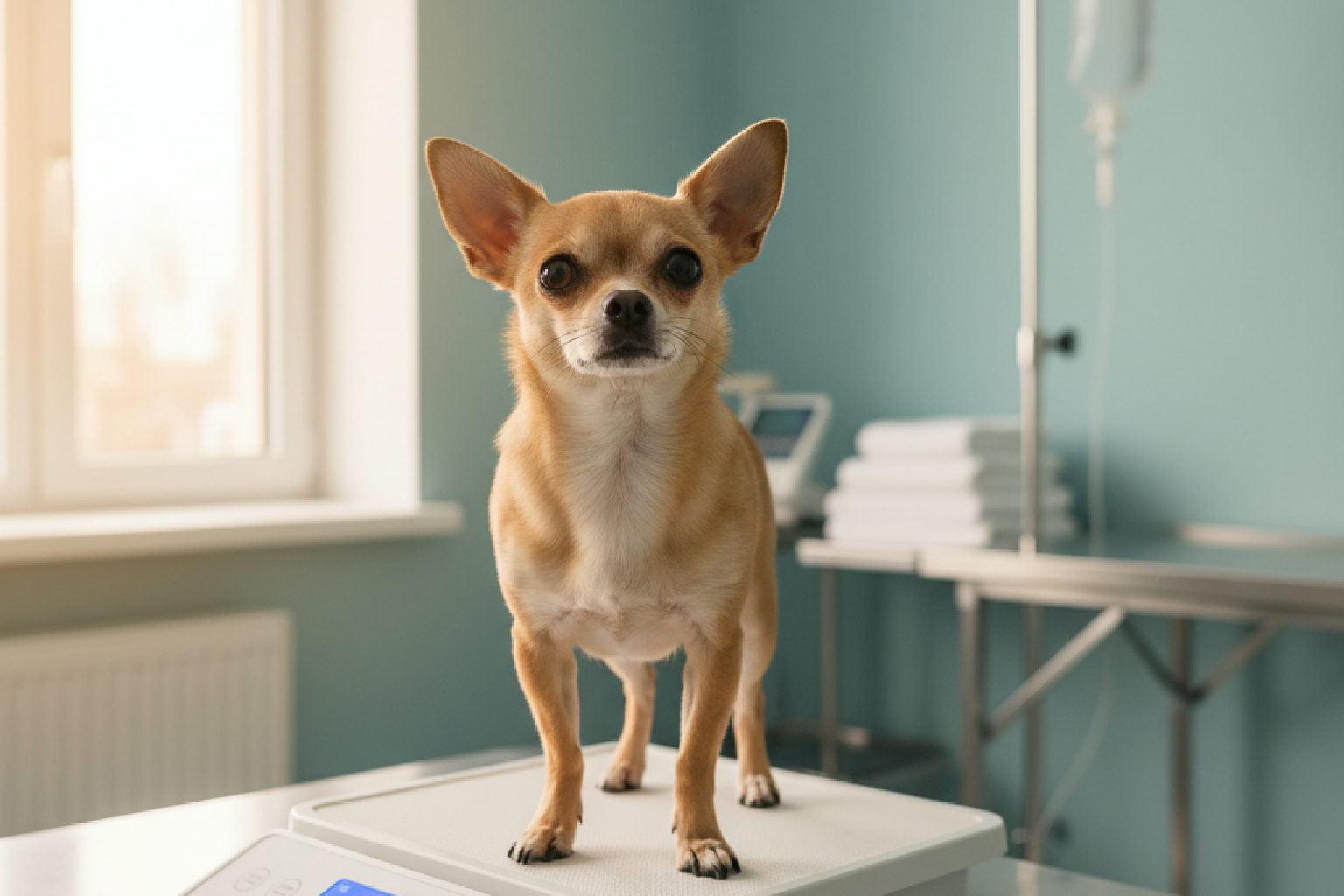
More than half of the dogs and cats I see at Hearthstone Animal Clinic in Cypress, TX are overweight. That's not a guess; it matches the national data from the Association for Pet Obesity Prevention, which puts the number at nearly 60% of pets. Obesity is the most common nutritional disease I diagnose, and it's also one of the most preventable.
The tricky part is that most owners don't realize their pet has a weight problem. When you see your dog or cat every day, gradual weight gain is easy to miss. And frankly, the pet food industry and treat marketing haven't helped. So let's talk about what a healthy weight actually looks like, what extra pounds do to your pet's body, and how to fix it without starving anyone.
How do I know if my dog or cat is overweight?
The number on the scale matters less than body condition. A 25-pound Beagle might be obese, while a 25-pound Border Collie might be lean. What I look for in the exam room is body condition score (BCS), which runs from 1 (emaciated) to 9 (severely obese). A 4 or 5 is ideal.
The three-point home check
You can do a basic version of this at home:
- Ribs: Run your hands along your pet's sides with light pressure. You should feel the ribs easily, like the back of your hand. If you have to press hard, or can't find them at all, there's too much fat covering.
- Waist: Look at your pet from above. There should be a visible tuck behind the ribcage before the hips. No tuck, or a barrel shape, means excess weight.
- Belly: From the side, the abdomen should slope up from the ribcage toward the hind legs. A belly that hangs down or is level with the chest is a problem.
Cats are a bit harder because they often have a "primordial pouch," that saggy belly flap. That's normal anatomy. What's not normal is when the whole cat is round and you can't feel the spine or ribs.
Why does pet weight matter so much?
Extra weight isn't just a cosmetic issue. It causes real, measurable harm. Fat tissue is metabolically active; it produces inflammatory hormones that affect nearly every organ system. Here's what I see in overweight pets:
- Joint disease and arthritis: Every extra pound adds roughly 4 pounds of stress to the joints. Overweight dogs are significantly more likely to develop hip dysplasia, cruciate ligament tears, and early-onset arthritis. These conditions often require surgery or long-term pain management.
- Diabetes: Especially in cats. An obese cat is about four times more likely to develop diabetes than a lean one. Once diabetic, the cat needs insulin injections twice a day, indefinitely.
- Shorter lifespan: A landmark Purina study found that dogs kept at ideal body weight lived an average of 1.8 years longer than their overweight littermates. That's significant.
- Breathing problems: Excess fat around the chest and throat makes breathing harder, especially in brachycephalic breeds like Bulldogs, Pugs, and Persian cats.
- Higher anesthesia risk: If your pet ever needs surgery, extra weight increases the risk of complications.
This is why I bring up weight at almost every wellness visit, even when I know owners don't always want to hear it.
How much should I feed my dog or cat?
The feeding guidelines on pet food bags are almost always too high. They're based on unspayed, active, ideal-weight animals. Most spayed or neutered house pets need 20-30% less than the bag suggests.
Calculating the right amount
A better approach is to calculate your pet's resting energy requirement (RER) based on their ideal body weight, not their current weight. For most indoor, spayed/neutered pets:
- Multiply ideal body weight in kilograms by 30, then add 70. That gives you daily calories.
- Then check the calorie content of your food (listed on the bag, usually per cup or per can) and measure accordingly.
This is the part most owners get wrong, and it's not their fault. Pet food companies want you to buy more food. If you're not measuring portions with an actual measuring cup (not a coffee mug), the calories add up fast.
What about treats?
Treats should make up no more than 10% of daily calories. A single Milk-Bone for a Chihuahua can be equivalent to a human eating two donuts. Most commercial treats are calorie bombs. Consider swapping for baby carrots, green beans, or small pieces of plain cooked chicken.
What's the safest way to help a pet lose weight?
Slow and steady wins this race. Dogs should lose no more than 1-2% of body weight per week. Cats need to lose even more slowly, around 0.5-1% per week, because rapid weight loss in cats can trigger a potentially fatal liver condition called hepatic lipidosis. This is especially true for obese cats who suddenly stop eating.
The basic plan
- Get an accurate starting weight and goal weight. We can help you set this at a wellness visit.
- Measure food precisely. Use a kitchen scale if possible; it's more accurate than measuring cups.
- Cut back gradually. Reduce daily calories by 10-20% to start, not more.
- Increase activity. For dogs, add 10-15 minutes to daily walks. For cats, use interactive toys like feather wands or laser pointers. Even 10 minutes of play twice a day makes a difference.
- Weigh monthly. Adjust the plan based on results. If there's no weight loss after a month, cut another 10%.
When to consider a prescription diet
Some pets do better on veterinary weight-loss diets. These foods have higher protein and fiber to keep pets feeling full on fewer calories. Brands like Hill's Metabolic, Royal Canin Satiety, and Purina OM are options I recommend depending on the pet. They cost more than grocery store food (typically $70-100 for a large bag), but for severely overweight pets, they often produce faster, safer results. We can discuss whether this makes sense for your pet during an exam.
My pet acts hungry all the time. What can I do?
This is one of the hardest parts. Pets are excellent at making you feel guilty. But that begging behavior is usually habit, not true hunger.
A few strategies that help:
- Feed smaller meals more often. Three or four small meals keeps blood sugar steadier than one or two large ones.
- Add low-calorie bulk. Plain canned pumpkin (not pie filling), green beans, or cooked squash can make meals feel bigger without adding significant calories.
- Slow feeders and puzzle toys. These make meals last longer and provide mental stimulation.
- Ignore the begging. I know, easier said than done. But giving in reinforces the behavior.
If your pet seems genuinely ravenous despite adequate food, or is gaining weight despite strict portion control, we should run bloodwork. Conditions like hypothyroidism (dogs) or hyperadrenocorticism (Cushing's disease) can cause weight gain and increased appetite.
When should I see a veterinarian about my pet's weight?
Ideally, before starting any weight loss plan. A baseline exam and bloodwork can rule out underlying medical conditions and establish a safe target weight. I also recommend a vet visit if:
- Your pet has gained weight rapidly (more than 10% in a few months)
- Your cat is extremely overweight and needs a careful, supervised weight loss plan
- Your pet has joint pain, diabetes, or other obesity-related conditions
- You've tried portion control and increased exercise for 8-12 weeks with no results
If this was my dog, I'd want a partner in the process. It's easier to stick with a plan when someone's tracking progress with you and adjusting the approach when needed.
Get your pet on track
Weight management isn't about deprivation. It's about giving your pet the best chance at a longer, more comfortable life. If your dog or cat is carrying extra weight, or you're not sure, bring them in for an assessment. We'll do a body condition score, talk about realistic goals, and build a plan that actually fits your household. Schedule a visit at Hearthstone Animal Clinic or call us at (281) 859-9244. We're here for pet owners in Cypress, TX who want honest answers and a clear path forward.
Have a question about your pet?
Dr. Pelton and the Hearthstone team are here to help, the same day when it counts.
Get Your Pet Seen