
Probiotics for Dogs and Cats: When Your Vet Should Recommend Them
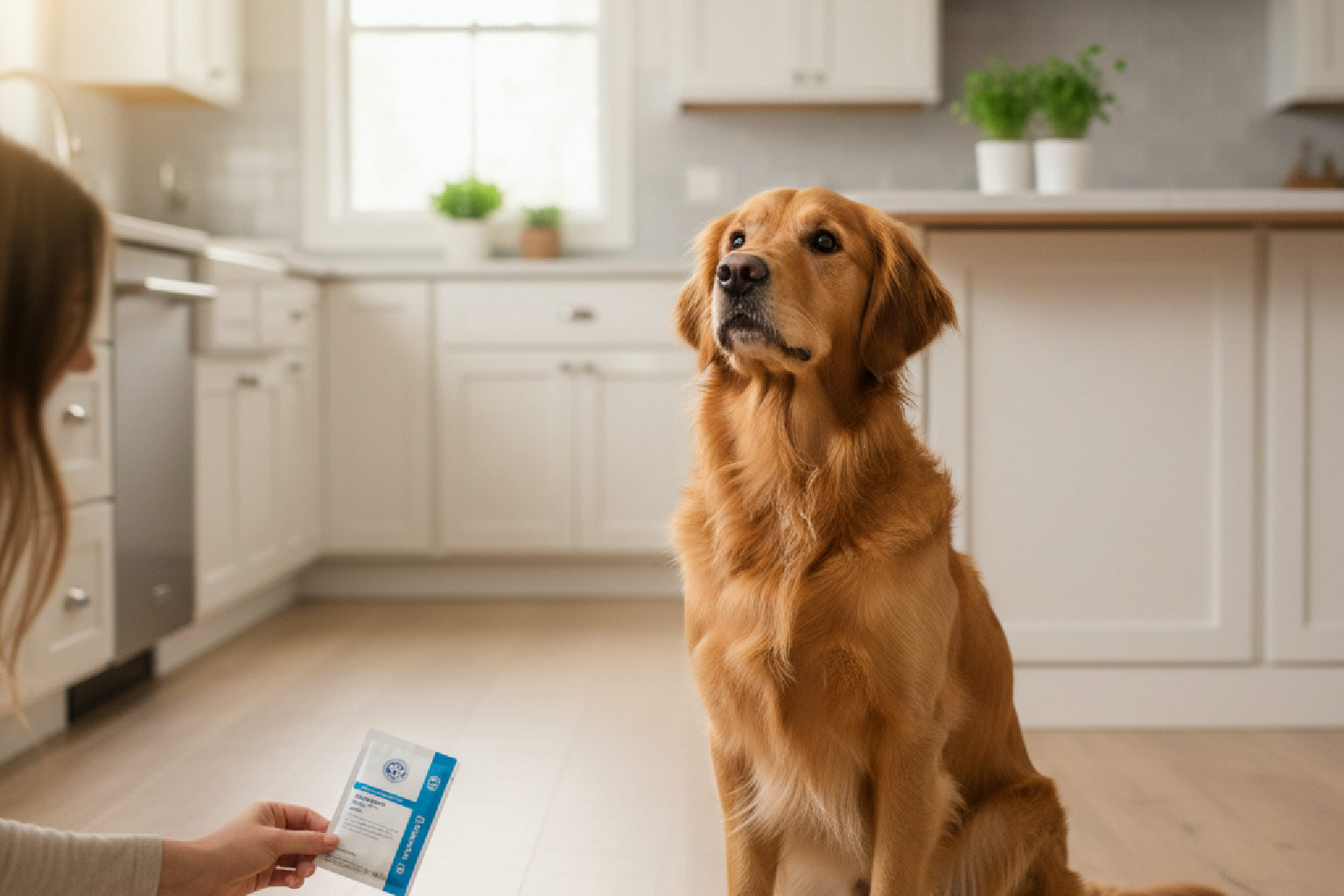
If you have looked into probiotics for your dog or cat, you have probably noticed the market is flooded with options, and the claims range from reasonable to wildly optimistic. As a Cypress veterinarian who has been in practice for over 25 years, I prescribe probiotics regularly at Hearthstone Animal Clinic, but not for every pet and not for every situation. Here is what I actually see work, what the science supports, and when your money is better spent elsewhere.
What are probiotics and how do they work in pets?
Probiotics are live microorganisms (bacteria or yeast) that, when given in adequate amounts, provide a health benefit to the host. The gut of every dog and cat contains trillions of bacteria, collectively called the microbiome. This bacterial ecosystem does more than digest food. It trains the immune system, produces certain vitamins, and helps keep harmful bacteria from gaining a foothold.
When the microbiome gets disrupted (by antibiotics, stress, dietary changes, or illness), the balance shifts. Pathogenic bacteria can overgrow, leading to diarrhea, gas, and poor nutrient absorption. Probiotics work by reintroducing beneficial strains that compete with the bad actors, produce antimicrobial compounds, and help restore that balance.
The key point most owners miss: not all probiotic strains do the same thing. A strain that helps with acute diarrhea may do nothing for chronic inflammatory bowel disease. Species matters too. Dogs and cats have different gut environments, so a probiotic formulated for humans or even for dogs may not colonize a cat's gut effectively.
When do I actually recommend probiotics?
I reach for probiotics in specific clinical situations, not as a general daily supplement for every healthy pet. Here are the scenarios where I see real benefit:
During and after antibiotic therapy
Antibiotics kill bacteria indiscriminately. They take out the infection, but they also wipe out beneficial gut flora. This is why antibiotic-associated diarrhea is so common. Starting a probiotic at the same time as the antibiotic (given 2 to 3 hours apart) and continuing for a week or two after helps repopulate the gut faster. This is probably the most evidence-backed use of probiotics in veterinary medicine.
Acute diarrhea from stress or dietary indiscretion
The dog that got into the garbage, the cat stressed from boarding, the puppy adjusting to a new home: these are cases where probiotics can shorten the duration of loose stools. I typically combine them with a bland diet for a few days.
Chronic gastrointestinal issues (as part of a larger plan)
For pets with inflammatory bowel disease (IBD), food sensitivities, or recurrent GI upset, probiotics are one piece of the puzzle. They are not a standalone fix. I use them alongside dietary trials, sometimes immunosuppressants, and diagnostic workup to identify the underlying cause. If your pet has chronic vomiting or diarrhea, we need to figure out why before throwing supplements at it. Bloodwork and other diagnostics often reveal conditions that probiotics alone cannot address.
Immune support in young or immunocompromised pets
Puppies and kittens are still developing their microbiome. Pets on long-term steroids or chemotherapy have suppressed immune systems. In these cases, supporting gut health with probiotics makes physiological sense, though the evidence is stronger in some contexts than others.
When are probiotics not worth it?
If your adult dog or cat is healthy, eating well, with normal stools and no history of GI issues, daily probiotics are probably not doing much. The gut microbiome of a healthy pet is already in balance. Adding more bacteria to a system that does not need it is unlikely to create measurable benefit.
I also see owners reach for probiotics when the real problem needs veterinary attention. Bloody diarrhea, vomiting that lasts more than 24 hours, weight loss, lethargy: these are not probiotic situations. These are "get your pet seen" situations. Probiotics cannot treat parasites, foreign bodies, pancreatitis, or cancer.
Which probiotic strains actually work for dogs and cats?
This is where the industry gets murky. Many pet store probiotics contain strains that have never been studied in dogs or cats, at doses too low to matter, with no guarantee the bacteria are even alive by the time you open the package.
The strains with the most veterinary research behind them include:
- Enterococcus faecium (SF68): The most studied strain in veterinary medicine. Shown to reduce duration of acute diarrhea in dogs and cats.
- Bifidobacterium animalis (AHC7): Research in dogs shows benefit for acute diarrhea.
- Lactobacillus acidophilus, Lactobacillus rhamnosus: Commonly included, some evidence of benefit, though less robust than SF68.
- Saccharomyces boulardii: A beneficial yeast (not bacteria) that can be useful because antibiotics do not kill it.
The Companion Animal Parasite Council and other veterinary organizations emphasize that product quality varies enormously. I recommend veterinary-specific products like Fortiflora (contains SF68), Proviable, or Visbiome Vet over most pet store brands. These products have quality control, guaranteed colony counts at expiration, and strains selected for dogs and cats specifically.
How much do pet probiotics cost?
Veterinary probiotics typically run $25 to $45 for a month's supply, depending on the product and pet size. Fortiflora sachets, for example, are around $30 for 30 days. This is reasonable for a therapeutic course during antibiotic treatment or recovery from GI upset.
Where cost becomes a concern is long-term daily use in a healthy pet. If you are spending $30 a month on something that is not providing measurable benefit, that money might be better allocated to preventive dental care or annual bloodwork, things with proven impact on longevity.
Can probiotics cause side effects?
Probiotics are generally safe. The most common side effect I see is mild gas or bloating when first starting, which usually resolves within a few days as the gut adjusts. Rarely, a pet with severe immune compromise could theoretically develop an infection from live bacteria, but this is uncommon with standard veterinary products.
One practical note: if your pet's diarrhea worsens on a probiotic or does not improve within 48 to 72 hours, stop the supplement and contact your vet. The probiotic may not be the right fit, or there may be an underlying issue that needs diagnosis.
What about prebiotics and synbiotics?
Prebiotics are non-digestible fibers that feed beneficial gut bacteria. Think of them as fertilizer for the good bacteria already in your pet's gut. Common prebiotics include inulin, fructooligosaccharides (FOS), and beet pulp. Many quality pet foods already contain these.
Synbiotics combine probiotics and prebiotics in one product. The theory is that providing both the bacteria and their food source improves colonization. Products like Proviable-DC are synbiotics. The evidence is reasonable, and I use them in practice, particularly for chronic GI cases.
When to contact your veterinarian about gut health
Probiotics are a tool, not a treatment plan. Contact your vet if your pet has:
- Diarrhea lasting more than 48 hours
- Blood in the stool
- Vomiting more than once or twice
- Loss of appetite or lethargy
- Weight loss
- Chronic soft stools or intermittent GI upset
If you are dealing with any of these, schedule a visit at Hearthstone Animal Clinic so we can figure out what is actually going on. Chronic GI issues in particular often have an underlying cause (food intolerance, parasites, IBD, pancreatic insufficiency) that probiotics alone will not fix.
If you are in Cypress, TX and want guidance on whether probiotics make sense for your dog or cat, or if your pet has ongoing digestive issues that need a proper workup, reach out to us at (281) 859-9244. I would rather help you spend your money on what actually works than watch you guess your way through the supplement aisle.
Have a question about your pet?
Dr. Pelton and the Hearthstone team are here to help, the same day when it counts.
Get Your Pet Seen