
Summer Fleas on Indoor Cats: Why Your Cypress Cat Needs Imoxi
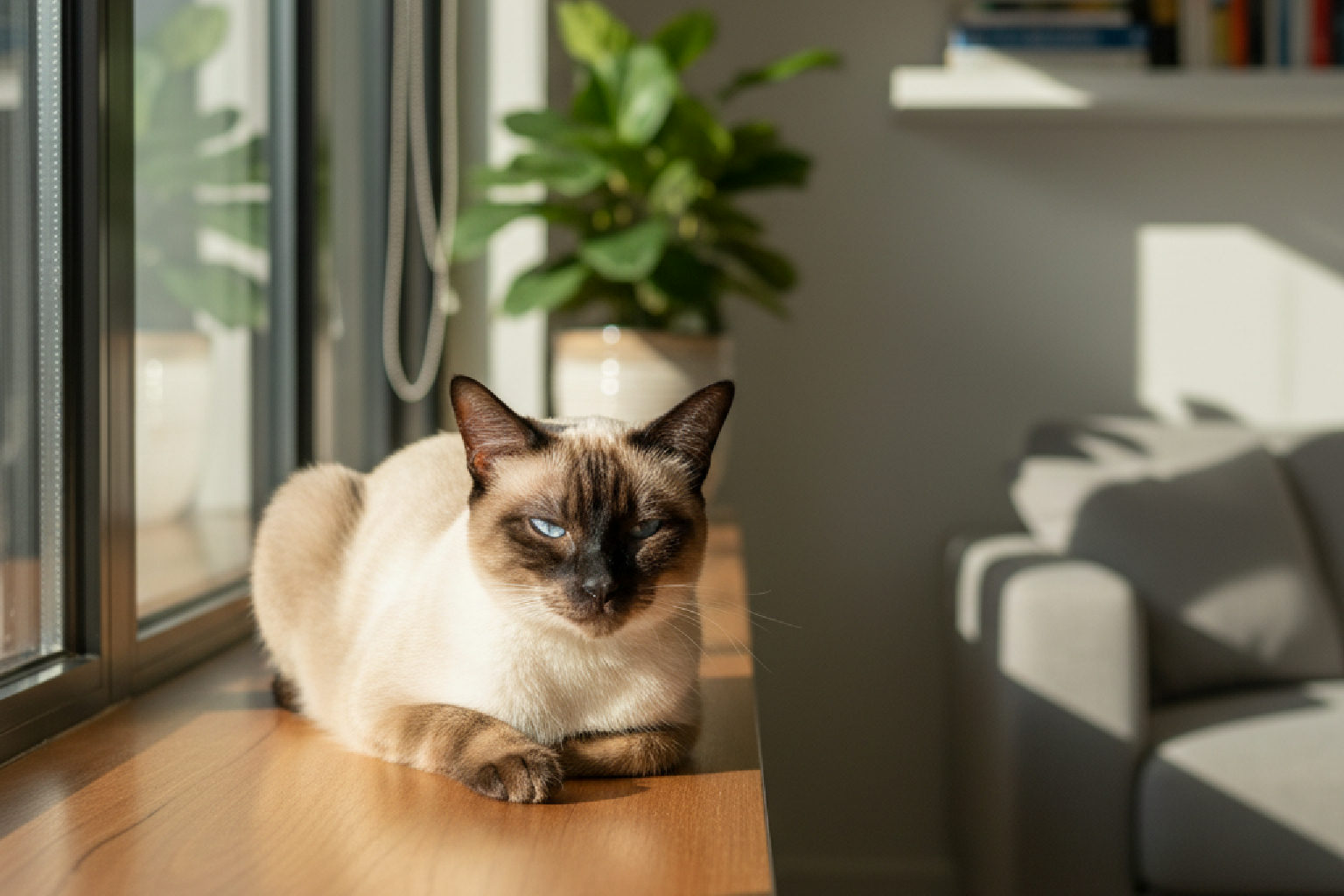
If you've ever told me your cat is "strictly indoors" and therefore doesn't need flea prevention, you're not alone. It's one of the most common things I hear in the exam room at Hearthstone Animal Clinic, and the logic makes sense on the surface. No outside time, no fleas, right? I wish it worked that way. Here in Cypress, TX, I treat indoor cats for flea infestations every summer, and most owners are genuinely surprised when I show them the flea dirt hiding in their cat's fur.
Let me explain what's actually happening and why a monthly topical like Imoxi is usually what I recommend for cats in this area.
How do indoor cats get fleas in the first place?
Fleas don't care about your cat's indoor status. They care about finding a warm-blooded host, and they're remarkably good at hitchhiking their way inside. Here's how they get to your "indoor only" cat:
- You bring them in. Flea eggs and larvae cling to shoes, pant cuffs, and bags. If you've walked through grass, visited a friend with pets, or even stood on an apartment balcony, you can carry flea eggs into your home without knowing it.
- Dogs in the household. If you have a dog that goes outside (even briefly for bathroom breaks), that dog is a taxi service for fleas.
- Previous infestations in the home. Flea pupae can survive dormant in carpet fibers and floor cracks for up to a year. They hatch when they sense vibration, warmth, and carbon dioxide from a nearby host.
- Wildlife near your home. Squirrels, raccoons, and feral cats in your yard shed flea eggs constantly. Those eggs end up on your porch, in your garage, and eventually inside.
In a humid climate like ours in Cypress, fleas thrive from March through November. The combination of heat and moisture makes Harris County one of the worst areas in Texas for flea pressure, and that pressure doesn't stop at your front door.
What does a flea infestation look like on a cat?
Cats are fastidious groomers, which means they often swallow fleas before you see them. This is the part most owners get wrong, and it's not their fault. You may never see a single flea on your cat and still be dealing with a full infestation.
What I look for instead:
- Flea dirt (black, comma-shaped specks in the fur, especially near the tail base). If you wet it on a paper towel and it turns reddish-brown, that's digested blood. That's flea dirt.
- Overgrooming, particularly of the lower back, belly, and inner thighs
- Hair loss or bald patches from excessive licking
- Small scabs around the neck and base of the tail (a condition called miliary dermatitis)
- Restlessness or sudden twitching of the skin
Some cats develop flea allergy dermatitis (FAD), where a single flea bite triggers an intense allergic reaction. For these cats, even one or two fleas can cause weeks of misery. I see FAD regularly in my Cypress patients, and it's one of the main reasons I push for year-round prevention rather than treating problems after they start.
What is Imoxi and how does it work?
Imoxi is a topical (applied to the skin) parasiticide for cats that combines two active ingredients: imidacloprid and moxidectin. Here's what each does:
- Imidacloprid kills adult fleas on contact within 12 hours. Fleas don't have to bite your cat to die, which matters a lot for cats with flea allergies.
- Moxidectin handles internal parasites (intestinal worms and heartworm prevention) and also kills ear mites.
This combination means Imoxi covers both external and internal parasites in one monthly application. For cat owners in the Houston area, where heartworm is a real concern and fleas are relentless, that two-in-one coverage makes sense.
How is Imoxi applied?
You part the fur at the base of your cat's skull (where they can't lick it) and squeeze the liquid directly onto the skin. It dries within a few hours and stays effective for 30 days. Most cats tolerate it well, though some will act annoyed for a few minutes after application.
What about side effects?
In my experience, Imoxi is well-tolerated by most cats. Occasional side effects include mild skin irritation at the application site, temporary hair loss at that spot, or brief lethargy. Serious reactions are rare. The FDA tracks adverse events for all flea and tick products, and topicals like Imoxi have a solid safety profile in cats when used as directed.
One caution: Imoxi is a cat-specific product. Dog products containing similar ingredients can be toxic to cats. Never apply a dog flea product to a cat.
How much does Imoxi cost?
At Hearthstone Animal Clinic, a six-month supply of Imoxi typically runs between $80 and $120 depending on your cat's weight. That works out to roughly $13-20 per month. I realize that's an ongoing expense, but compare it to the cost of treating a flea infestation (environmental treatment, vet visits, medications for skin damage) or dealing with an intestinal parasite infection. Prevention is almost always cheaper than treatment.
If you're curious about our general pricing, we keep it straightforward. I'd rather you know what to expect before you walk in.
How does Imoxi compare to Revolution and other options?
Revolution (selamectin) is another topical I use frequently for cats. It covers fleas, heartworm, ear mites, and some intestinal parasites. Both Revolution and Imoxi are good choices, and which one I recommend often depends on the individual cat's history and risk factors.
Here's the quick comparison:
- Imoxi: Kills fleas on contact (they don't have to bite), broader intestinal worm coverage
- Revolution: Also effective, slightly different parasite spectrum, well-established safety record
Both are topicals, both are applied monthly, and both avoid the stress of pilling a cat. For cats who are difficult to medicate orally, topicals are often the only realistic option. We carry both Revolution and Imoxi at the clinic, and I can help you figure out which makes more sense for your cat based on their lifestyle and medical history.
Why year-round prevention matters in Cypress
I get asked every fall whether it's okay to stop flea prevention for the winter. My honest answer: in Cypress, I don't recommend it. Our winters aren't cold enough to reliably kill off flea populations. A few warm days in January and those dormant pupae in your carpet hatch right back out. The same goes for heartworm-carrying mosquitoes.
If this was my cat, I would keep them on monthly prevention all twelve months. The hassle of restarting after a gap (and the risk of reinfestation) isn't worth the savings.
When should you see a veterinarian about fleas?
If your cat is already showing signs of fleas (scratching, overgrooming, scabs, hair loss), don't just start a preventive and wait. Cats with active infestations often need additional treatment: prescription flea spray for the home, medication for skin infections, or anti-itch therapy while the fleas clear. Heavy flea burdens in kittens can even cause anemia.
You'll also want a vet visit if:
- Your cat has never been on prevention and you want to start
- You've seen tapeworm segments (fleas carry tapeworm larvae)
- Your cat is a kitten under 8 weeks or has other health conditions
- You're not sure what's causing the itching (allergies can look similar, and sometimes we need to work through the possibilities)
Getting ahead of the problem is always easier than chasing it after it's established in your home.
Protect your indoor cat this summer
The instinct to skip flea prevention for indoor cats makes sense, but the reality in our area doesn't support it. Fleas find their way in, and once they're established, clearing them out takes time, money, and a lot of vacuuming. A monthly topical like Imoxi is a simple way to keep your cat comfortable and your home flea-free.
If your cat is scratching, losing fur, or you've spotted suspicious black specks in their coat, let's take a look. Schedule a visit at Hearthstone Animal Clinic or give us a call at (281) 859-9244. We're right here in Cypress, TX, and I'm happy to help you figure out the best prevention plan for your cat's specific situation.
Have a question about your pet?
Dr. Pelton and the Hearthstone team are here to help, the same day when it counts.
Get Your Pet Seen