
Who owns your vet? What corporate buyouts mean for your pet's care and your bill
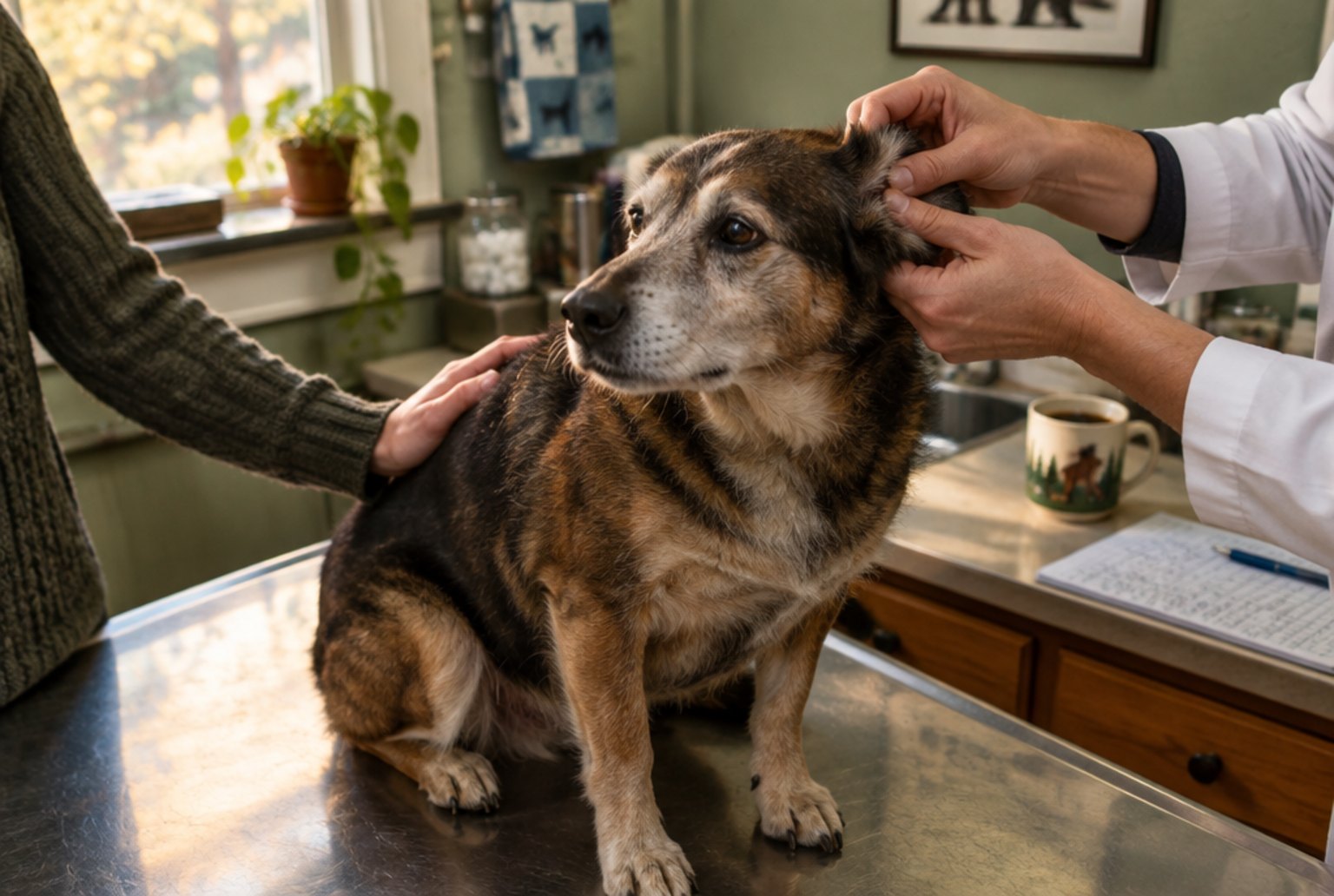
If your vet bills have climbed faster than almost everything else you pay for, you're not imagining it. Over the last ten years, the federal price index for veterinary services rose 52%, while prices overall rose 39%, according to the Bureau of Labor Statistics.
Several things are driving that, and I'll get to all of them. One gets far less attention than it should: more and more vet clinics are no longer owned by veterinarians, and most pet owners have no way of knowing whether theirs is one of them.
Full disclosure before we start: I own an independent clinic, so I have a stake in this. I'll give you the facts, including the ones that don't help my side, and you can weigh my view accordingly.
Who owns vet clinics now?
About ten years ago, roughly 1 in 10 clinics was owned by a corporation. Today, estimates put about a quarter of general practices and about three-quarters of specialty and emergency hospitals under corporate ownership.
The largest owner is Mars, best known for candy and pet food, which owns Banfield, VCA, and BluePearl. Most of the other large groups are backed by private equity. In plain English, that's an investment fund that buys businesses, tries to grow their profits, and sells them again a few years later.
That last part matters. When a fund buys dozens or hundreds of clinics, it's planning to sell the whole group later for more than it paid. The Federal Trade Commission has required both Mars and JAB Holding, the owner of NVA, to sell off clinics before approving their deals, because those deals left too few competitors in some local markets.
Does corporate ownership raise prices?
I think it does, and in our area you can see it on the price lists. Around Cypress and Northwest Houston, a basic office exam runs anywhere from the $50s to over $100. At the large corporate hospitals near us, a basic exam is close to $120. Mine is $67, which puts Hearthstone about in the middle.
Nobody in the US has done a big government study on this yet. The closest thing comes from the United Kingdom, where the competition regulator spent two years investigating the vet industry. The UK Competition and Markets Authority found owners there paid 16.6% more on average at large vet groups than at independent clinics, and for at least three of those groups, prices rose faster at clinics they bought than at clinics that stayed independent.
Here's how it works in a local market, from 26 years of practicing here. Pet owners don't compare vet prices the way they compare gas prices. So when the biggest clinics in an area set their fees high, the rest of the market tends to drift up behind them, and the more clinics one company owns in a town, the more that company sets the going rate.
What else is pushing prices up
Ownership is only part of the story. Veterinary wages have had to rise, and they needed to. New vets often graduate with more than $174,000 in student debt. Drugs, equipment, and lab costs keep climbing, and the medicine itself has gotten better, which costs more. Independent clinics have raised prices too.
Corporate groups also bring things that are good for staff and some clients: better benefits and paid time off, backup coverage so one person isn't carrying everything, newer equipment, and longer hours. Those are real, and they're part of why many good vets choose to work there.
How can you tell who owns your vet clinic?
Clinics that get bought almost always keep their original name, sign, and phone number. In the UK, the regulator found that less than half of people using a large vet group knew their clinic was part of a chain. There's no US law requiring a clinic to tell you it's been sold.
A few minutes of checking usually answers it:
- Read the privacy policy at the bottom of the clinic's website. It often names the parent company, sometimes with an out-of-state address. For example, Cypress Fairhaven Animal Hospital's privacy policy lists a privacy contact at the Birmingham, Alabama office of Southern Veterinary Partners, which is now part of Mission Pet Health.
- Click the Careers link. If it goes to a job site for a larger company, that tells you.
- Search the clinic's name with "acquired" or "joins." Groups often announce new locations.
- Just ask. "Is the practice owned by one of the doctors here, or is it part of a larger group?" is a fair question, and any good clinic will answer it plainly.
Knowing who owns your clinic doesn't mean you should leave it. If you trust your vet, that relationship matters more than the name on the paperwork. It just means you know who's setting the prices.
What's different about a small, doctor-owned clinic?
Independent doesn't automatically mean better. There are excellent vets at corporate hospitals and mediocre ones running their own clinics. What ownership changes is who makes the decisions: at a doctor-owned clinic, the vet who knows your pet also sets the prices and answers for them.
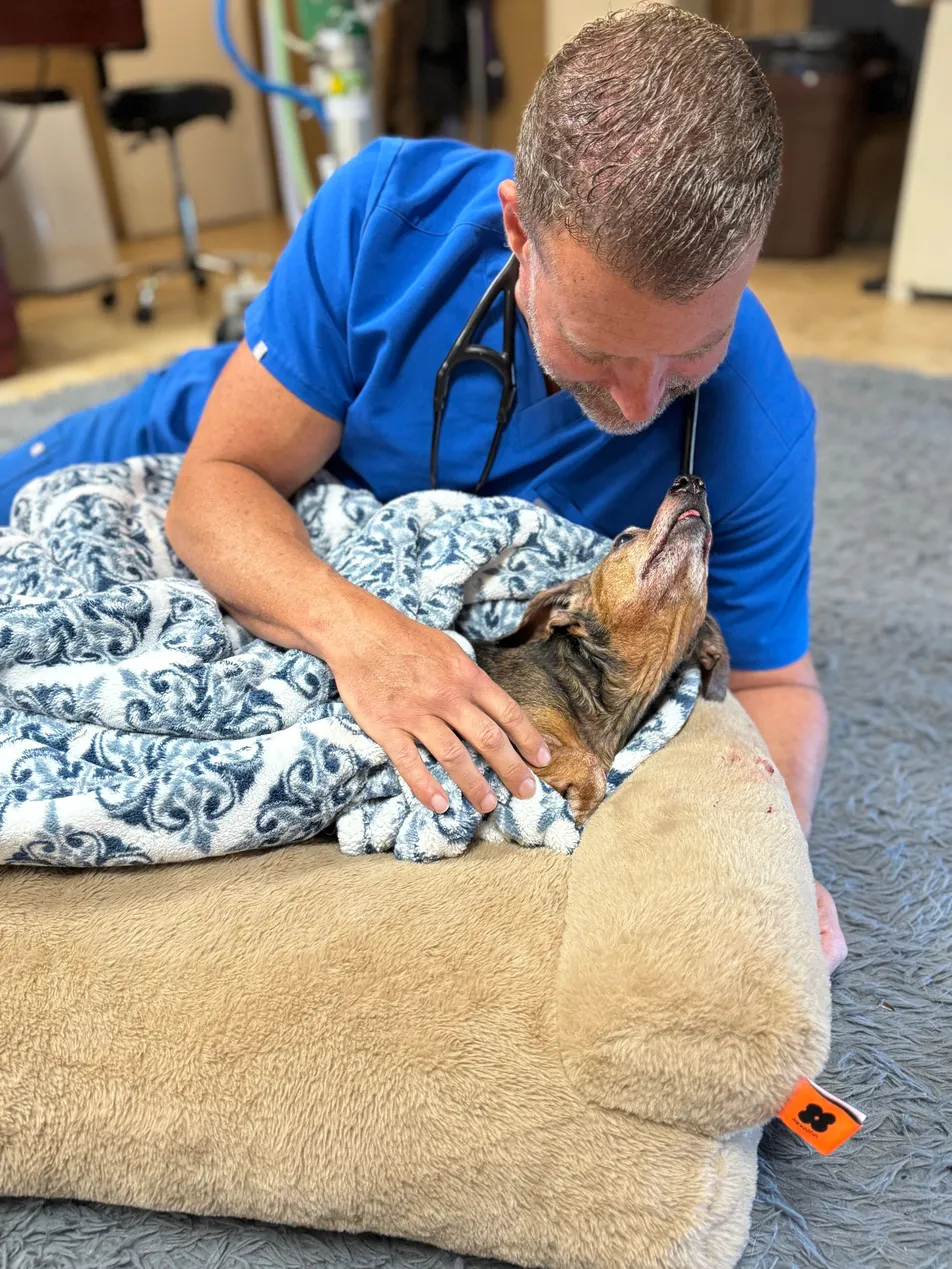
A cozy bed, a warm blanket, and no rush. That's how we like our patients to feel here.
Hearthstone has been a neighborhood clinic since 1982, and I've owned it since 2007. It's a solo-doctor practice, so every exam, surgery, and consult is done by me. We post our pricing online so there are no surprises. A few examples from that list right now:
- Office exam: $65 to $85
- Cat annual visit: $187
- Dog annual visit (exam and core vaccines): $230 to $265
I can't tell you how that compares to every clinic in town. But you're entitled to ask any clinic for the same numbers up front, and a good one will give them to you.
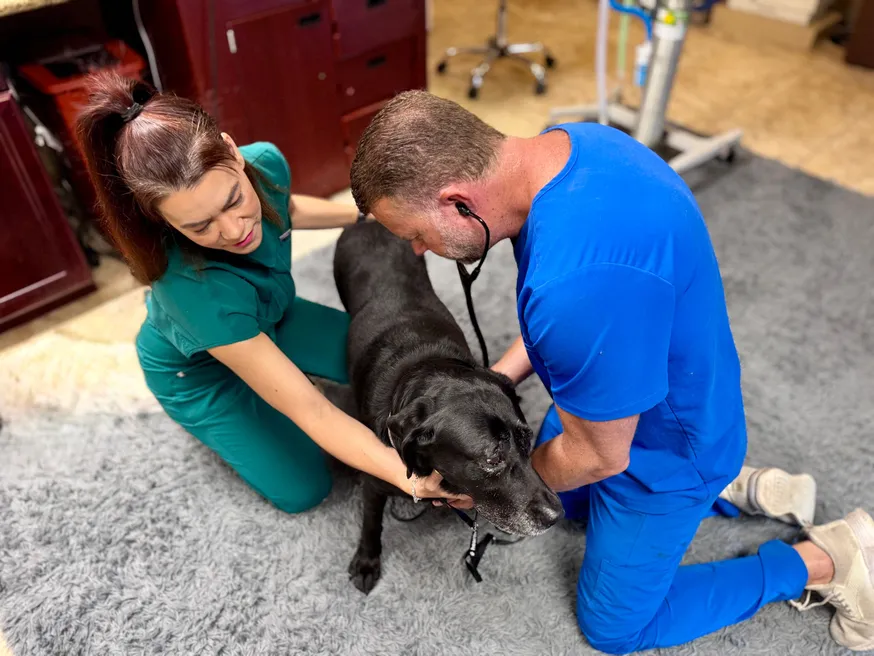
Not every exam happens on a table. Some dogs are more comfortable on the floor, so that's where we go.
What owning the clinic lets me do
Owning the clinic outright also means I can invest in it without asking anyone's permission. I decided to bring minimally invasive surgery to Hearthstone, which meant buying laparoscopic equipment that runs around $50,000 and learning to use it. At a corporate clinic, a purchase like that goes up a chain of approvals to people who will never meet your dog. For me, the only question was whether it was better for my patients.
Now I offer laparoscopic spays, often called keyhole spays, for female dogs 30 pounds and up. Instead of one long incision, it's done through two or three small ones using a camera, and most dogs are back to normal in two or three days. It starts at $750 for a healthy, lean young dog, plus $105 for pre-anesthetic bloodwork. Older, heavier, or higher-risk dogs run higher, and you'll always get a written quote first. Specialty hospitals around Houston typically charge $2,000 to $3,500 or more for the same surgery.
Getting in to see me
One doctor and around 7,000 active clients means my exam-room appointments fill up, often a few days out. If you need to be face to face with a vet within the next hour or two, a clinic with several doctors on the schedule can often do that faster. That's a real strength of the multi-doctor model, and I'll happily give it that.
What we've built to go with a solo-doctor practice is something I'm genuinely proud of. When a pet is sick and every room slot is taken, we still get them in front of me that same day. You can leave your pet with us for the morning, or stay close while we bring them back and work them in between appointments. Either way, your pet is examined by me, and you get my findings, my recommendations, and written home-care instructions, with nothing done without your okay.
It works best when you reach out early. We open at 7:00 AM on Mondays, Tuesdays, Thursdays, and Fridays, and 8:00 AM on Wednesdays and Saturdays. So if the team offers one of those options instead of a room appointment, take it. It's the fastest way for your pet to be seen by the doctor who already knows them.
Why independent clinics are worth keeping around
Every independent clinic in an area gives pet owners a real choice on price and on how care is delivered. They're getting harder to keep open. A 2025 study in Frontiers in Veterinary Science found that 71% of owners who sold their practices would have preferred to sell to their own associate vets, but 59% said those associates couldn't afford to buy. When the only affordable offer comes from a large group, the clinic gets sold, and the town has one fewer independent option.
You don't owe any clinic your loyalty. But if you're in Cypress or Northwest Houston and want a doctor-owned clinic where you'll see the same vet every time and know the price before you walk in, schedule a visit at Hearthstone Animal Clinic or reach us at (281) 859-9244.
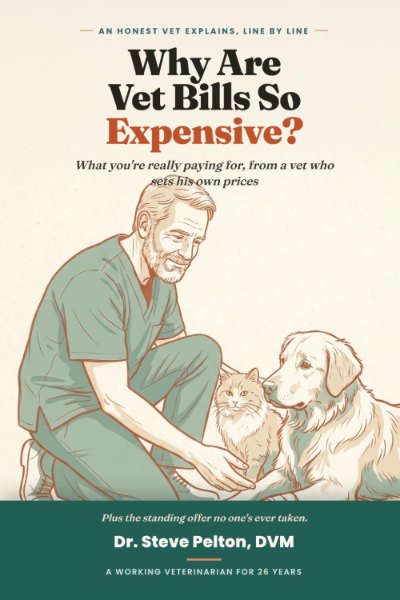
P.S. I wrote a whole book about this. Why Are Vet Bills So Expensive? walks through what you're actually paying for at the vet, line by line. If you'd rather start with something free, the cheat sheet and cost tools from the book are on our book page.
Have a question about your pet?
Dr. Pelton and the Hearthstone team are here to help, the same day when it counts.
Get Your Pet Seen