
Cherry Eye in Dogs: What That Red Mass Means and How Vets Fix It
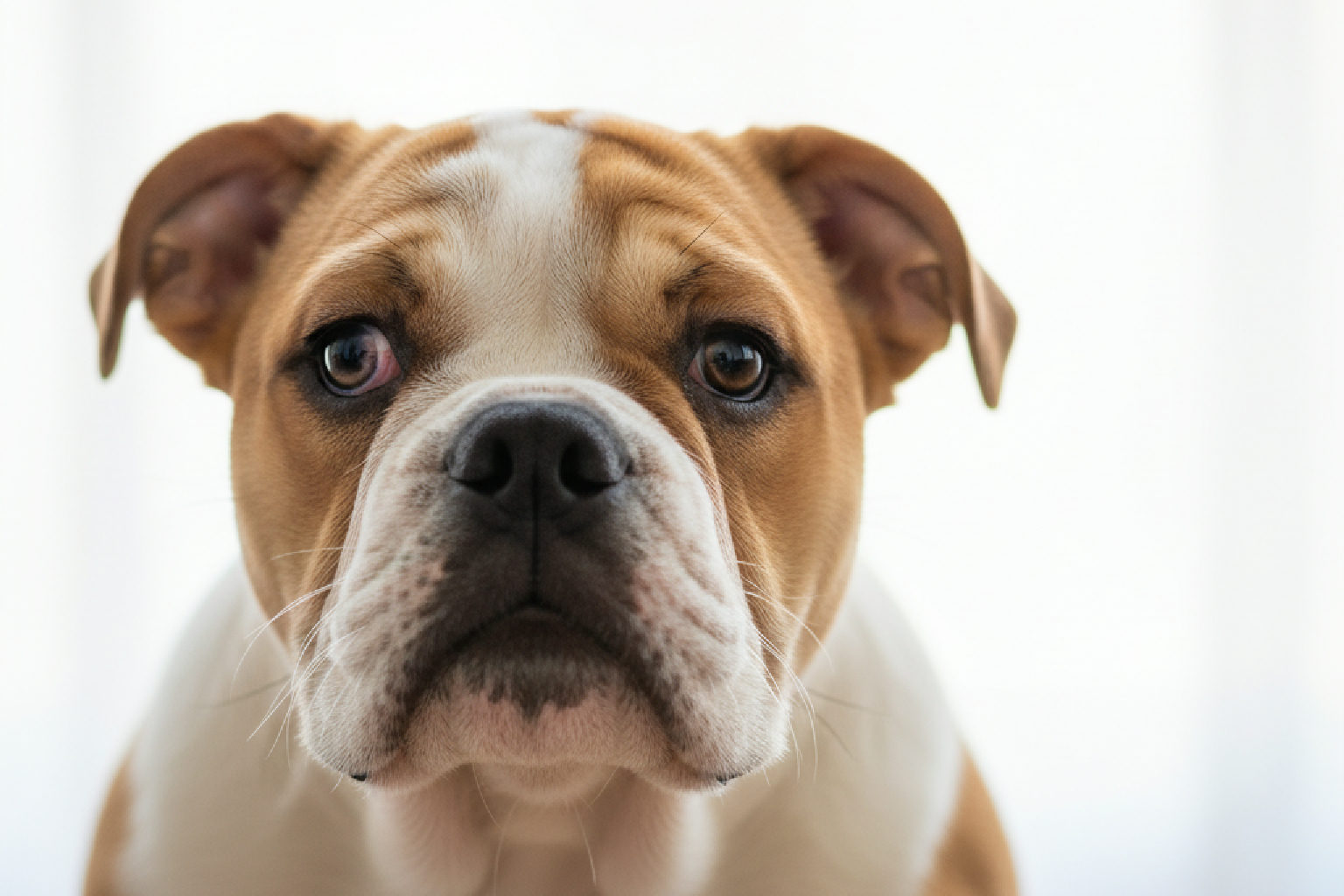
If your dog suddenly has a red, fleshy lump bulging from the inner corner of one eye, you're almost certainly looking at cherry eye. The good news: it's not painful, it's not an emergency, and it's fixable. The less good news: it usually requires surgery, and waiting too long can make the repair harder.
Cherry eye is one of the most common eye conditions I see in young dogs, especially certain breeds. Here's what's actually happening, why it matters, and what I recommend when owners bring me a dog with that alarming red mass.
What is cherry eye, exactly?
Dogs have a third eyelid (called the nictitating membrane) tucked in the inner corner of each eye. You normally don't see it unless your dog is sleepy or sick. Attached to the back of that third eyelid is a tear gland, and this gland produces 30 to 50 percent of your dog's tears.
The gland is normally held in place by a small band of connective tissue. In dogs with cherry eye, that connective tissue is weak or missing entirely. Without that anchor, the gland pops out of position and prolapses, rolling forward and becoming visible as that distinctive red, swollen mass.
The term "cherry eye" comes from the appearance: it looks like a small red cherry wedged in the corner of the eye. The gland itself isn't diseased or abnormal. It's simply in the wrong place.
Which breeds get cherry eye most often?
Cherry eye has a strong genetic component. The breeds I see it in most frequently include:
- English Bulldogs (by far the most common)
- French Bulldogs
- Cocker Spaniels
- Beagles
- Shih Tzus
- Boston Terriers
- Lhasa Apsos
- Cavalier King Charles Spaniels
- Great Danes
- Mastiffs
Most cases appear in dogs under two years old, often between 6 and 12 months. If your puppy is a brachycephalic breed (flat-faced), I'd say there's a meaningful chance you'll see cherry eye at some point.
If one eye develops cherry eye, there's roughly a 40 to 50 percent chance the other eye will eventually have the same problem. The weak connective tissue is usually present on both sides, even if only one gland has prolapsed so far.
Is cherry eye painful or dangerous?
The prolapse itself doesn't seem to hurt. Dogs with cherry eye don't usually squint, paw at their face, or act like the eye is bothering them, at least not initially.
But here's why it still matters: once that gland is exposed, it starts to dry out, swell, and become irritated. Over days to weeks, the exposed tissue gets inflamed and can develop secondary infections. The longer it sits out, the more damage it sustains.
The bigger concern is long-term. That third eyelid gland is responsible for a large portion of tear production. If the gland is removed (which used to be the standard treatment decades ago) or becomes permanently damaged, dogs often develop keratoconjunctivitis sicca, better known as dry eye. Dry eye is a chronic condition requiring lifelong medication, and severe cases can lead to corneal ulcers, scarring, and vision loss.
This is why we no longer remove the gland. We tuck it back where it belongs.
Can cherry eye fix itself without surgery?
Sometimes, yes. In very early or mild cases, especially in young puppies, the gland may pop back in on its own or with gentle massage. Some veterinarians will try a short course of anti-inflammatory eye drops to reduce swelling and see if the gland stays in place.
Here's the honest reality: in most cases, once the gland has prolapsed, it will prolapse again. The connective tissue that should hold it in place was never strong enough to begin with. I've seen owners push the gland back in at home (which you can do gently), only to have it pop right back out within hours or days.
If the gland has been out for more than a few days, or if it keeps recurring, surgery is almost always necessary. Waiting several weeks or months makes the surgery harder because the gland becomes chronically swollen and the tissue becomes more difficult to work with.
How is cherry eye surgery done?
The goal of surgery is to reposition and anchor the gland back into its normal location while preserving its function. There are two main techniques:
Pocket technique (Morgan pocket)
This is the most common method. The surgeon creates a small pocket of tissue on either side of the prolapsed gland, then sutures the tissue closed over the gland, tucking it back into place. Think of it like putting the gland into a little envelope of tissue that holds it where it should be.
Anchoring technique
In this approach, the gland is sutured directly to the deeper tissue near the eye socket (the periosteum or orbital rim). This anchors the gland in position without creating a pocket.
Some surgeons combine elements of both techniques. The choice often depends on the individual case and the surgeon's experience. Both methods have good success rates when performed correctly.
What to expect after surgery
Recovery typically takes two to three weeks. Your dog will need to wear an Elizabethan collar (cone) to prevent rubbing or scratching at the eye. You'll apply antibiotic and anti-inflammatory eye drops for one to two weeks. Most dogs are comfortable within a day or two of surgery.
Success rates for first-time repairs are generally 85 to 95 percent. However, about 5 to 15 percent of cases will re-prolapse and need a second surgery. Re-prolapse is more common in breeds with severe anatomical issues (like English Bulldogs) and in cases where the gland was chronically inflamed before repair.
What does cherry eye surgery cost?
At general practices, cherry eye repair typically runs $400 to $800 per eye, depending on the technique used and whether sedation or general anesthesia is required. If you're referred to a veterinary ophthalmologist (which I recommend for complicated cases or second surgeries), costs are usually higher, often $800 to $1,500 per eye.
If both eyes need surgery, doing them at the same time is usually more cost-effective than two separate procedures. If your dog has cherry eye in one eye and the other eye hasn't prolapsed yet, we typically watch and wait rather than operate on a normal eye preventively.
For owners considering pet insurance, cherry eye is worth noting: if your puppy is a high-risk breed, getting insurance before the condition develops means it would be covered. Once it's diagnosed, it becomes a pre-existing condition.
Should I see a regular vet or an ophthalmologist?
For a straightforward first-time cherry eye in a young dog, most general practice veterinarians who are comfortable with the surgery can achieve good results. This is a procedure I've done many times.
I refer to a veterinary ophthalmologist when:
- The cherry eye has been present for a long time and the gland is severely swollen or damaged
- The first surgery failed and the gland has re-prolapsed
- There are other eye abnormalities present (corneal ulcers, other third eyelid problems, entropion)
- The dog has severe brachycephalic anatomy that complicates the repair
If you're not sure, start with your regular vet. We can assess the situation and tell you honestly whether we think the case needs specialist expertise.
What about those home remedies I've read about?
You'll find suggestions online for massaging the gland back in, applying warm compresses, or using certain eye drops to "cure" cherry eye. The instinct behind these suggestions is understandable: owners want to avoid surgery and costs.
Here's the truth: gentle massage can sometimes pop the gland back in temporarily, but it almost never stays. No eye drop or supplement will strengthen the weak connective tissue that allowed the prolapse in the first place. Warm compresses can help with minor swelling but won't fix the underlying problem.
The longer you wait and hope it resolves on its own, the more swollen and damaged the gland becomes, and the harder the eventual surgery will be. If your dog's cherry eye has been present for more than a week or keeps recurring, surgery is the right answer.
When should I get my dog seen?
Cherry eye is not a true emergency. Your dog isn't in acute pain, and a few days won't make a dramatic difference. That said, I'd recommend scheduling an appointment within the first week or two of noticing it.
See your vet soon (within a few days) if:
- The eye is producing yellow or green discharge
- Your dog is squinting, rubbing, or seems painful
- The eye itself looks cloudy or red (not just the prolapsed gland)
- The gland looks very swollen, dark, or ulcerated
These signs suggest secondary problems like infection, corneal ulceration, or significant inflammation that need prompt attention.
For more information on third eyelid gland prolapse and treatment options, the American College of Veterinary Ophthalmologists has a helpful overview for owners.
The bottom line on cherry eye
Cherry eye looks worse than it is, but it does need to be addressed. The prolapsed gland won't function properly while it's exposed, and leaving it untreated increases the risk of chronic dry eye down the road. Surgery to reposition the gland is straightforward, has a high success rate, and preserves your dog's tear production for life.
If your dog has developed that telltale red mass in the corner of the eye, don't panic, but don't ignore it either. The sooner we can evaluate and plan a repair, the better the outcome tends to be.
If your dog has a red, fleshy mass in the corner of the eye and you're not sure what you're dealing with, schedule a visit at Hearthstone Animal Clinic. We can confirm whether it's cherry eye, discuss your options, and get your dog on the path to a permanent fix. Reach us at (281) 859-9244 in Cypress, TX.
Have a question about your pet?
Dr. Pelton and the Hearthstone team are here to help, the same day when it counts.
Get Your Pet Seen