
Diabetes Insipidus in Dogs: Why Your Dog Can't Stop Drinking
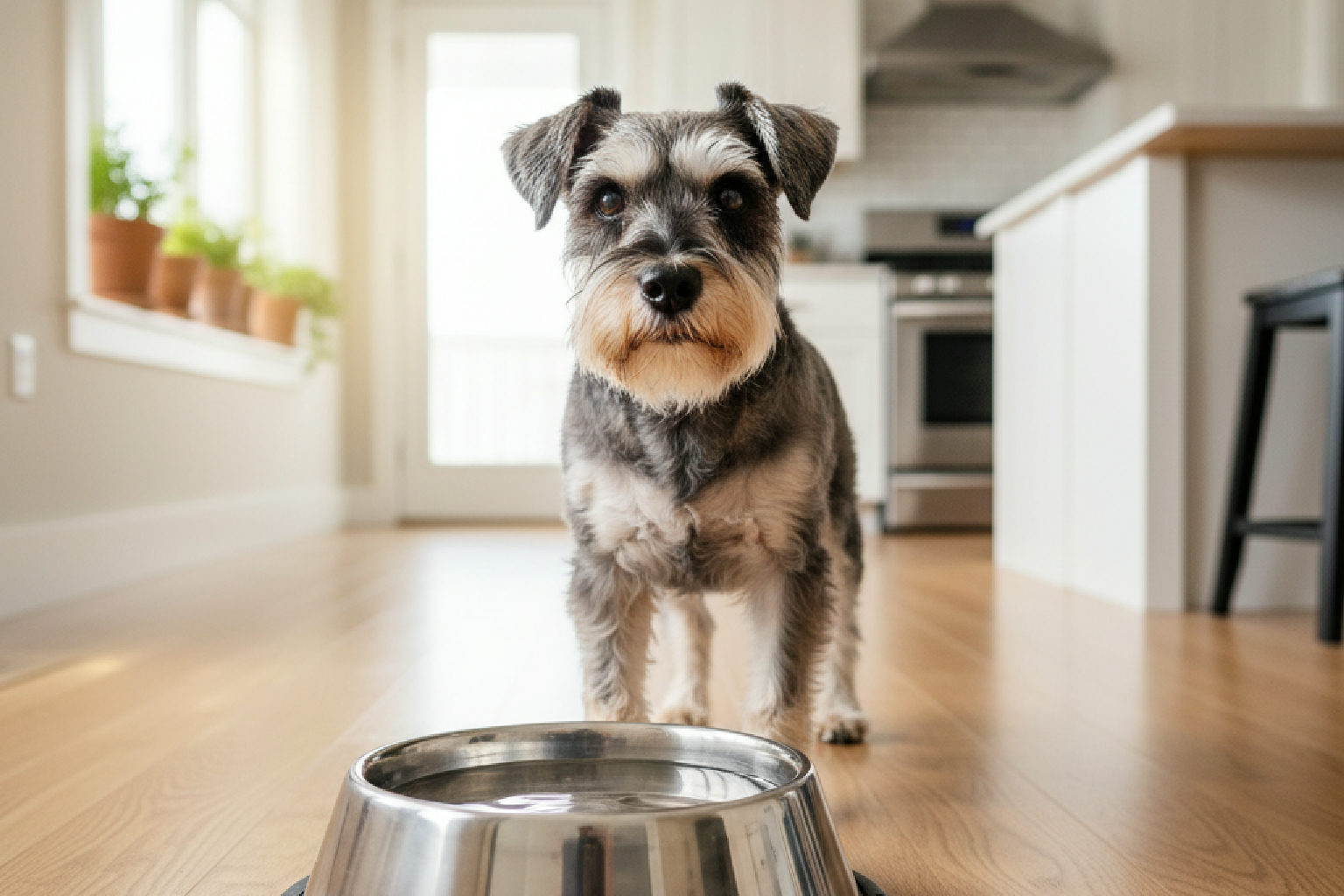
If your dog is drinking what seems like an impossible amount of water and urinating constantly, sometimes having accidents indoors, you're right to be concerned. The most common causes of excessive thirst are diabetes mellitus, kidney disease, and Cushing's disease. But there's another condition, much rarer, that produces some of the most dramatic drinking and urination I see: diabetes insipidus.
Despite the name, diabetes insipidus has nothing to do with blood sugar or insulin. It's a completely different disease that affects how your dog's body handles water. The good news is that it's usually manageable once we figure out what's going on. The challenge is getting there, because this diagnosis requires ruling out the more common causes first.
What is diabetes insipidus and how is it different from "regular" diabetes?
The word "diabetes" comes from a Greek term meaning "to pass through," which describes the excessive urination both conditions cause. But that's where the similarity ends.
Diabetes mellitus (the common one) is a problem with insulin and blood sugar regulation. Dogs with diabetes mellitus have high blood glucose, and the excess sugar spills into their urine, pulling water with it.
Diabetes insipidus is a problem with a hormone called antidiuretic hormone (ADH), also known as vasopressin. ADH tells the kidneys how much water to retain versus how much to let go as urine. When this system breaks down, the kidneys essentially let water pour straight through. The urine becomes extremely dilute (almost like water), and the dog drinks constantly to keep up.
There are two types:
- Central diabetes insipidus (CDI): The brain doesn't produce enough ADH. This can happen from a pituitary tumor, head trauma, or sometimes for no identifiable reason (idiopathic).
- Nephrogenic diabetes insipidus (NDI): The brain makes ADH normally, but the kidneys don't respond to it. This is often secondary to another condition like kidney disease, high calcium, low potassium, Cushing's disease, or certain medications.
Central DI is rare. Nephrogenic DI is also uncommon as a primary disease, but we see secondary forms more often when another illness is affecting kidney function.
What does diabetes insipidus look like in dogs?
The signs are striking once you know what to watch for:
- Extreme thirst (polydipsia): We're not talking about drinking a little more than usual. Dogs with DI can drink 2 to 3 times their normal water intake, sometimes more. For a 40-pound dog, that might mean a gallon or more per day.
- Massive urine output (polyuria): Frequent urination, often in large volumes. Accidents in the house are common, even in well-trained dogs, simply because the bladder fills faster than they can get outside.
- Very dilute urine: The urine looks almost clear, like water.
- Normal appetite and energy (often): Unlike diabetes mellitus, where dogs frequently lose weight, dogs with diabetes insipidus usually maintain their weight and energy level as long as they have access to water.
That last point matters. If your dog is drinking excessively but otherwise seems fine, diabetes insipidus is on the list. But if they're also losing weight, vomiting, or acting sick, we're more likely looking at kidney disease, Cushing's, or diabetes mellitus.
How do vets diagnose diabetes insipidus?
This is the part that takes patience. Diabetes insipidus is a diagnosis of exclusion, meaning we have to rule out the common causes of excessive drinking before we can confirm it. Here's the typical workup:
Step 1: Basic bloodwork and urinalysis
A chemistry panel and complete blood count check kidney values, blood glucose, electrolytes (especially calcium and potassium), and liver enzymes. The urinalysis tells us how dilute the urine is. Dogs with DI typically have a urine specific gravity below 1.008, sometimes as low as 1.001, which is essentially water.
If blood glucose is high, that's diabetes mellitus. If kidney values are elevated, we're looking at kidney disease. If calcium is high, that becomes its own workup.
Step 2: Rule out Cushing's disease
Cushing's disease is one of the most common causes of excessive thirst and dilute urine in middle-aged to older dogs. We often run a urine cortisol:creatinine ratio or low-dose dexamethasone suppression test to check for this before pursuing DI specifically.
Step 3: The water deprivation test (sometimes)
If we've ruled out the common causes and the urine remains extremely dilute, a water deprivation test can help distinguish diabetes insipidus from a behavioral cause called psychogenic polydipsia (where dogs drink compulsively even though they don't physiologically need to).
This test is done carefully under supervision. We gradually withhold water and measure whether the urine concentrates. A normal dog (or one with psychogenic polydipsia) will start concentrating their urine as they become mildly dehydrated. A dog with diabetes insipidus cannot.
I don't take this test lightly. Dogs with DI can become dehydrated quickly, so we monitor closely and only proceed when we're confident it's safe.
Step 4: Desmopressin trial
Desmopressin (DDAVP) is a synthetic version of ADH. If we give it to a dog with central DI, their urine should concentrate because the kidneys can now respond to the hormone they were missing. If we give it to a dog with nephrogenic DI, nothing changes because the kidneys can't respond even when the hormone is present.
This helps us figure out which type we're dealing with and whether desmopressin will be an effective long-term treatment.
What causes diabetes insipidus?
For central diabetes insipidus, the causes include:
- Pituitary tumors (the most common identifiable cause)
- Head trauma
- Brain surgery or radiation
- Idiopathic (no cause found, which happens in roughly half of cases)
For nephrogenic diabetes insipidus, the primary form (where the kidneys simply don't respond to ADH from birth) is rare and usually shows up in young dogs. The secondary form is more common and can result from:
- Chronic kidney disease
- High blood calcium (hypercalcemia)
- Low potassium (hypokalemia)
- Cushing's disease
- Pyometra (uterine infection)
- Certain medications, including lithium and some diuretics
When nephrogenic DI is secondary to another condition, treating that underlying disease often improves or resolves the water handling problem.
How is diabetes insipidus treated?
Treatment depends on the type and cause.
Central diabetes insipidus
Desmopressin is the standard treatment. It comes as eye drops, nasal spray, or tablets. Most dogs do well with the eye drop form applied to the conjunctiva (the pink tissue inside the eyelid) once or twice daily. The medication replaces the ADH the brain isn't making, and within hours, urine production drops dramatically.
Cost varies depending on the formulation. The nasal spray, which we often use for dogs, typically runs $80 to $150 per month depending on the dose. Some dogs can be managed on lower doses once we find the minimum effective amount.
If a pituitary tumor is the cause, we discuss whether further imaging (MRI) and treatment of the tumor itself makes sense. Some pituitary tumors grow slowly and don't cause other problems. Others are more aggressive.
Nephrogenic diabetes insipidus
If the cause is secondary (kidney disease, high calcium, Cushing's), we treat the underlying problem. Once that's controlled, the kidneys often regain some ability to concentrate urine.
Primary nephrogenic DI is trickier because desmopressin won't help. In these cases, we sometimes try thiazide diuretics combined with a low-sodium diet, which paradoxically can reduce urine output. The mechanism is complex, but it works in some dogs. Access to unlimited fresh water is non-negotiable.
Regardless of type
Never restrict water in a dog with diabetes insipidus unless you're under direct veterinary supervision during a diagnostic test. These dogs need to drink to stay hydrated. Restricting water can lead to dangerous dehydration within hours.
What's the prognosis for dogs with diabetes insipidus?
With appropriate treatment and monitoring, many dogs with central diabetes insipidus live normal lives. The medication controls the symptoms effectively, and dogs feel fine as long as they stay on it.
Nephrogenic DI depends heavily on the underlying cause. If we can correct a high calcium level or treat Cushing's disease successfully, the prognosis is often good. Primary nephrogenic DI is more challenging to manage but not impossible.
The main risks are dehydration (if water is restricted or the dog can't access it) and the progression of any underlying disease like a pituitary tumor.
When should you contact your veterinarian?
Any dog drinking excessively and urinating more than normal deserves a workup. Here's how I'd prioritize:
- Same-day or next-day visit: A dog that's drinking excessively AND showing other signs like lethargy, vomiting, weight loss, or poor appetite. These combinations suggest diabetes mellitus, kidney failure, or another condition that needs prompt attention.
- Scheduled appointment within a week or two: A dog that's drinking a lot more than usual but otherwise acting normal. We still need to figure out why, but it's less urgent.
- Emergency: A dog with known DI who becomes weak, disoriented, or collapses, especially if they haven't had access to water. Severe dehydration or electrolyte imbalances can be life-threatening.
If you're tracking water intake at home, write it down. Knowing that your 30-pound dog is drinking 8 cups a day versus "a lot" gives me useful information for the workup.
For more details on the diagnostic approach to polydipsia and polyuria, the Merck Veterinary Manual has a thorough overview.
The bottom line
Diabetes insipidus is uncommon, but when a dog is producing gallons of dilute urine and drinking constantly, it belongs on the list. The diagnosis takes some work because we have to rule out the more common causes first. Once we identify it, though, central DI usually responds well to desmopressin, and secondary nephrogenic DI often improves when we treat the underlying problem.
If your dog can't seem to get enough water and is having accidents despite being house-trained for years, let's figure out what's going on. You can request a visit at Hearthstone Animal Clinic or reach us at (281) 859-9244. We're here in Cypress, TX, and I'd rather catch this early than have you wondering why your dog suddenly needs a bigger water bowl.
Have a question about your pet?
Dr. Pelton and the Hearthstone team are here to help, the same day when it counts.
Get Your Pet Seen