
Pancreatitis in Cats: Why This Silent Disease Is So Hard to Spot
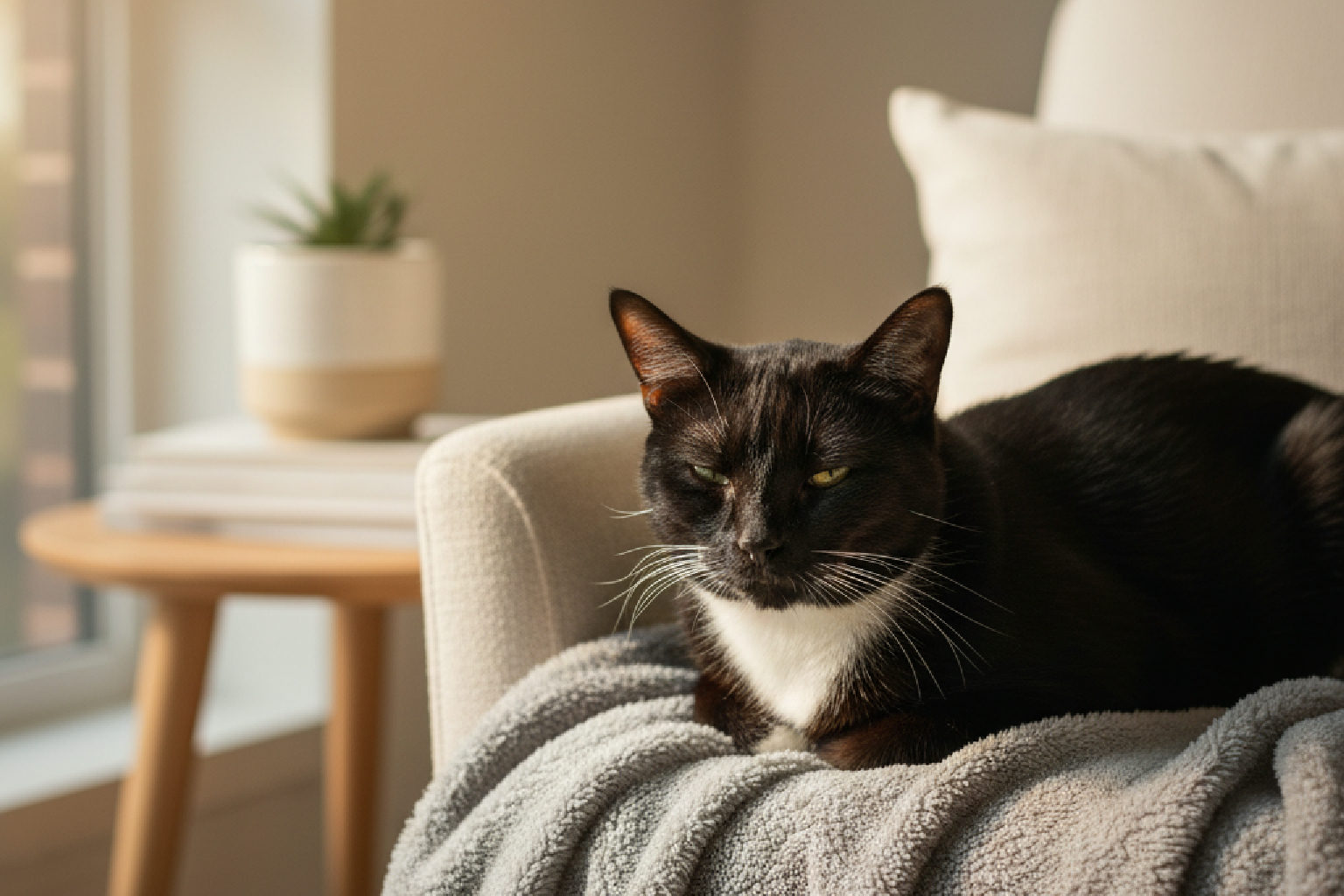
If your cat has stopped eating, seems quieter than usual, or just "isn't acting right," pancreatitis belongs on the short list of possibilities. The problem is that cats with pancreatitis rarely show obvious signs the way dogs do. They don't vomit dramatically or cry out in pain. They just get quieter, eat less, and sometimes hide. That makes this disease genuinely difficult to catch early, even for experienced owners and veterinarians.
Pancreatitis is inflammation of the pancreas, and in cats it ranges from mild (a few off days, then recovery) to severe and life-threatening. Most cases I see fall somewhere in between: a cat that's been subtly declining for days before anyone realizes something serious is happening.
What does the pancreas actually do?
The pancreas sits near the stomach and small intestine, and it has two main jobs. First, it produces digestive enzymes that break down fats, proteins, and carbohydrates. Second, it produces insulin and glucagon to regulate blood sugar.
In pancreatitis, those digestive enzymes activate inside the pancreas instead of in the intestine where they belong. The pancreas essentially starts digesting itself. This causes inflammation, pain, and in severe cases, damage to surrounding organs. The inflammation can also spread to the liver and intestines, which is why cats with pancreatitis often develop problems in multiple organs at once.
Why is pancreatitis so hard to spot in cats?
Dogs with pancreatitis typically vomit repeatedly, refuse food, and show obvious abdominal pain. Cats are different. They're masters at hiding illness, and pancreatitis in particular produces vague, nonspecific signs.
The most common symptoms I see in cats with pancreatitis:
- Decreased appetite or complete refusal to eat (this is the most consistent sign)
- Lethargy (sleeping more, less interest in usual activities)
- Hiding (retreating to unusual spots)
- Weight loss (sometimes the only obvious change over weeks)
- Dehydration (skin that doesn't snap back when gently pinched)
- Vomiting (only in about 35% of cats, much less than dogs)
- Diarrhea (occasional, not consistent)
- Fever (or sometimes a low body temperature in severe cases)
The challenge is that this list could describe a dozen other conditions. A cat that stops eating and hides could have pancreatitis, kidney disease, a urinary blockage, cancer, or an infected tooth. Without testing, there's no way to tell from symptoms alone.
The "triaditis" problem
In cats, pancreatitis frequently occurs alongside two other conditions: inflammatory bowel disease (IBD) and cholangitis (inflammation of the bile ducts in the liver). When all three happen together, we call it "triaditis." The pancreas, liver, and intestines share drainage pathways, so inflammation in one organ often spreads to the others.
This means a cat with pancreatitis may also have IBD causing chronic vomiting and weight loss, or liver disease affecting digestion and appetite. Sorting out which problem is primary (and which are secondary) takes careful diagnostic work.
How do vets diagnose pancreatitis in cats?
Diagnosing feline pancreatitis used to be frustrating. The standard blood tests we use in dogs (amylase and lipase) aren't reliable in cats. Ultrasound can show changes, but a normal ultrasound doesn't rule it out. Even exploratory surgery and biopsy sometimes miss the diagnosis.
The game-changer has been a blood test called fPLI (feline pancreatic lipase immunoreactivity), now available as a quick in-clinic test called SNAP fPL. This test specifically measures an enzyme that only comes from the pancreas, making it much more accurate for cats.
A typical workup for suspected pancreatitis includes:
- Complete blood count and chemistry panel (to check for dehydration, liver involvement, blood sugar issues, and other organ problems)
- fPLI or SNAP fPL test (the most specific test for feline pancreatitis)
- Abdominal ultrasound (to visualize the pancreas and check for other problems like masses, intestinal thickening, or liver changes)
In mild cases, I may start with bloodwork and the fPLI test. If the picture is unclear or the cat is severely ill, ultrasound helps me see what's happening and whether other organs are involved.
What causes pancreatitis in cats?
Here's the honest answer: in most cats, we never identify a specific cause. Unlike dogs, where fatty meals often trigger attacks, feline pancreatitis is usually idiopathic, meaning no clear trigger.
Factors that may contribute include:
- Infections (Toxoplasma, feline infectious peritonitis)
- Trauma (being hit by a car, a fall)
- Inflammatory bowel disease (the IBD-pancreatitis connection goes both ways)
- Certain medications (some antibiotics and chemotherapy drugs)
- Liver or bile duct disease
High-fat diets, while a major risk factor in dogs, don't appear to be as significant in cats. That said, maintaining a healthy weight and feeding a consistent, quality diet is still wise.
How is feline pancreatitis treated?
Treatment depends on severity. Mild cases may recover with supportive care at home. Severe cases require hospitalization, sometimes for several days.
Supportive care basics
There's no medication that directly treats pancreatitis. Instead, we support the cat while the pancreas heals itself:
- IV fluids (to correct dehydration and maintain blood flow to the pancreas)
- Pain management (cats with pancreatitis are in pain even if they don't show it; buprenorphine is commonly used)
- Anti-nausea medication (maropitant/Cerenia and ondansetron help cats feel well enough to eat)
- Nutritional support (getting food in early matters; unlike older recommendations to withhold food, we now know that early nutrition helps healing)
If a cat won't eat voluntarily, we may place a feeding tube. This sounds dramatic, but it's often the intervention that turns things around. AAHA guidelines emphasize that nutritional support is a core part of treating sick cats, not a last resort.
Treating concurrent conditions
If IBD or liver disease is present, those need to be addressed too. Some cats benefit from:
- Vitamin B12 injections (cats with IBD often can't absorb B12 normally)
- Antibiotics (if bacterial infection is suspected in the bile ducts)
- Immunosuppressive drugs (for severe IBD, though we use these cautiously)
Cost expectations
A mild case that responds to outpatient treatment (fluids, anti-nausea meds, pain control) might cost $300 to $600. A cat that needs hospitalization, IV fluids, feeding tube placement, and multiple days of intensive care can run $1,500 to $3,000 or more. It's worth asking about a realistic estimate before starting treatment so you can plan.
Can cats recover from pancreatitis?
Many cats recover fully from a single episode of pancreatitis, especially if it's caught before they become severely dehydrated or malnourished. Some cats have one episode and never have another.
Others develop chronic pancreatitis, with ongoing low-grade inflammation or repeated flare-ups. These cats may need long-term management, including:
- A consistent, easily digestible diet
- Regular monitoring with bloodwork
- Pancreatic enzyme supplements (in some cases)
- Treatment for concurrent IBD or liver disease
A small percentage of cats with severe or repeated pancreatitis develop diabetes because of permanent damage to the insulin-producing cells. If your cat has had pancreatitis and starts drinking or urinating more than usual, that's worth checking promptly.
When to get your cat seen
The tricky part is that the early signs of pancreatitis look like "just not feeling great." Here's how I think about it:
Monitor at home for 12-24 hours:
- Skipped one meal but otherwise acting normal
- One episode of vomiting with no other symptoms
Schedule an appointment soon (within a day or two):
- Not eating for more than 24 hours
- Hiding more than usual
- Subtle but persistent "something's off" feeling
- Mild vomiting or diarrhea that continues
Same-day or emergency visit:
- Not eating for 48+ hours
- Repeated vomiting
- Obvious weakness or wobbliness
- Yellow tinge to the gums or whites of the eyes (jaundice)
- Collapse or unresponsiveness
The 24-48 hour window matters a lot in cats. They can go from "a little off" to dangerously ill faster than dogs, partly because cats that stop eating can develop liver problems (hepatic lipidosis) within days. If your gut says something's wrong, trust it.
The bottom line on feline pancreatitis
Pancreatitis in cats is common, underdiagnosed, and genuinely difficult to catch early. The signs are subtle: a cat that's eating less, hiding more, or just seems quieter than usual. Because there's no obvious "smoking gun" symptom, it often gets missed until the cat is significantly ill.
If your cat has been off for more than a day or two, bloodwork including the fPLI test can give us answers. Early treatment, especially pain control and nutritional support, makes a real difference in recovery.
If your cat has stopped eating, seems uncomfortable, or just isn't acting right, don't wait too long to get answers. You can schedule a visit at Hearthstone Animal Clinic or reach us at (281) 859-9244 here in Cypress, TX. The sooner we figure out what's going on, the better the odds of getting your cat back to normal.
Have a question about your pet?
Dr. Pelton and the Hearthstone team are here to help, the same day when it counts.
Get Your Pet Seen