
Cold Weather Safety for Texas Pets: What Cypress Owners Need to Know
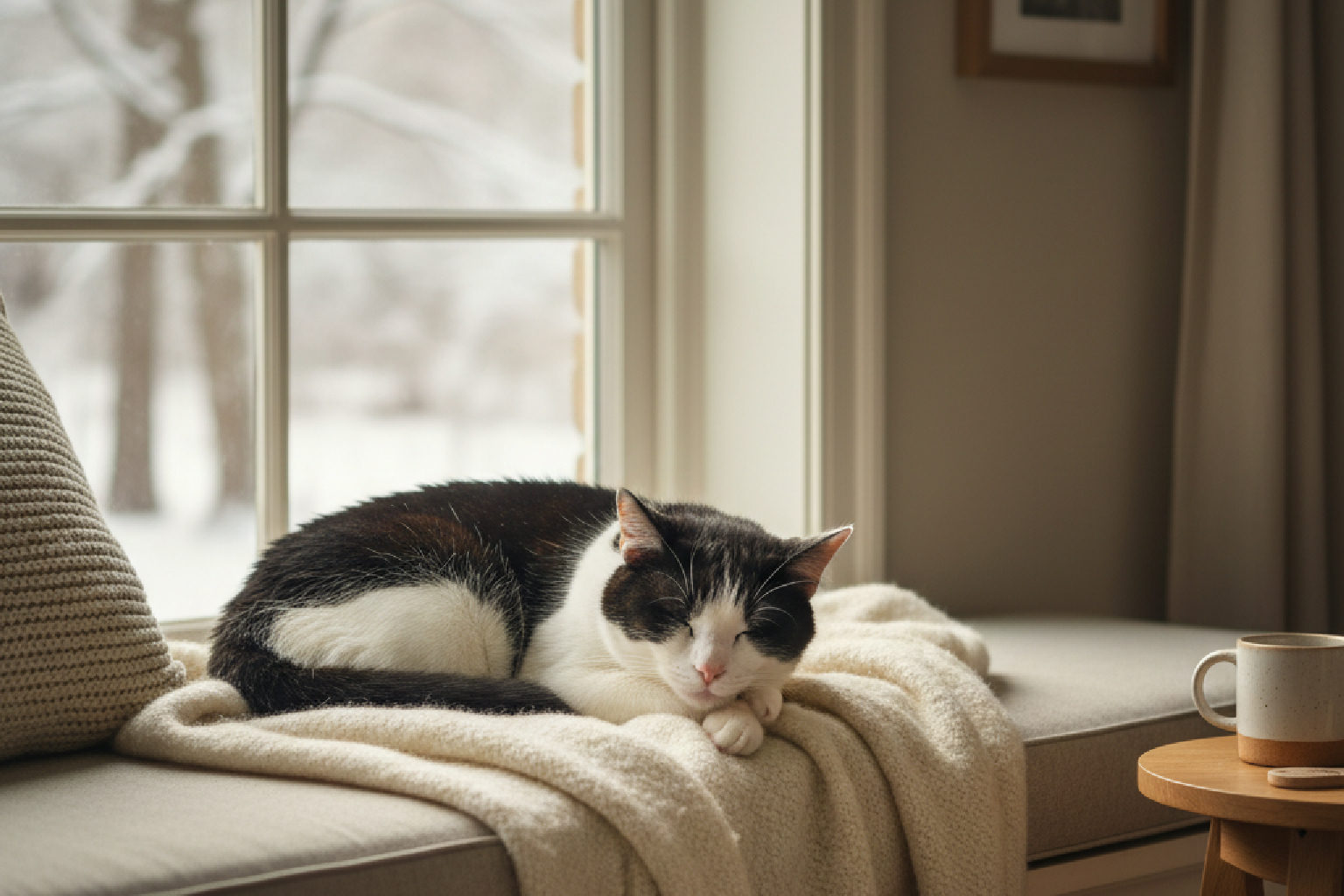
Texas winters are mild most of the time, which is exactly why our cold snaps catch so many pets (and owners) off guard. When temperatures drop into the 20s or 30s, dogs and cats that spend most of their lives in air-conditioned comfort can get into real trouble surprisingly fast. The short answer: most healthy adult pets can handle brief outdoor trips in cold weather, but prolonged exposure below 40°F puts small, short-coated, young, or elderly pets at risk for hypothermia and frostbite.
If you're reading this during a freeze warning, here's the quick version: bring pets inside, provide warm bedding off the floor, check on outdoor water bowls (they freeze faster than you'd think), and watch for shivering that doesn't stop within a few minutes of coming inside. Now let me walk you through the details.
How cold is too cold for dogs and cats in Cypress?
There's no single temperature that's dangerous for all pets, but here are the guidelines I use:
- Above 45°F: Safe for most healthy dogs and cats
- 32-45°F: Short-coated, small, young, or elderly pets need limited outdoor time and monitoring
- Below 32°F: Risk increases for all pets; keep outdoor trips brief
- Below 20°F: Dangerous for prolonged exposure, even for cold-tolerant breeds
The numbers only tell part of the story. Wind chill, moisture, and how acclimated your pet is to cold all matter. A Siberian Husky with a thick double coat handles 25°F very differently than a Chihuahua or a senior cat. And because Cypress rarely sees extended cold, our pets don't develop the winter coat density that dogs in Minnesota do.
Which pets are most vulnerable?
Some pets need extra protection even in moderately cool weather:
- Small dogs and cats under 10 pounds: Less body mass means they lose heat faster
- Short-coated breeds: Greyhounds, Boxers, Pit Bulls, Dachshunds, and similar breeds lack insulating undercoat
- Puppies and kittens: Can't regulate body temperature as effectively as adults
- Senior pets: Often have less muscle mass and may have arthritis that worsens in cold weather
- Pets with chronic illness: Diabetes, heart disease, kidney disease, and hypothyroidism all affect cold tolerance
- Recently groomed pets: A fresh short clip removes natural insulation
What does hypothermia look like in dogs and cats?
Hypothermia happens when body temperature drops below 99°F (normal is 100-102.5°F for dogs and cats). It progresses in stages:
Mild hypothermia (95-99°F):
- Shivering
- Seeking warm spots or burrowing
- Cold ears and paw pads
- Reluctance to move
Moderate hypothermia (90-95°F):
- Shivering may stop (this is worse, not better)
- Lethargy and weakness
- Stiff muscles
- Slow, shallow breathing
Severe hypothermia (below 90°F):
- Unresponsive or barely responsive
- Fixed, dilated pupils
- Difficulty detecting a heartbeat
- Collapse
Mild hypothermia usually resolves with passive warming at home. Moderate to severe hypothermia is a medical emergency.
Can dogs and cats get frostbite in Texas?
Yes. It's uncommon here, but I've seen it during hard freezes, especially on ear tips, tails, and paw pads. Frostbite happens when tissue freezes, and it doesn't require sub-zero temperatures if the exposure is long enough or the pet is wet.
Early frostbite signs are subtle:
- Pale, gray, or bluish skin (especially on ear tips)
- Cold, hard tissue that stays cold after coming inside
- Pain when the area is touched
As frostbitten tissue thaws, it becomes red, swollen, and painful. Severe cases develop blisters or blackened tissue over the following days. If you suspect frostbite, warm the area gradually with lukewarm (not hot) water and get your pet seen the same day. Do not rub the tissue or use a heating pad directly on it.
How do I keep my dog safe during a Cypress cold snap?
Most cold weather injuries are preventable with common-sense precautions:
Outdoor time and shelter
- Limit outdoor time when temperatures drop below 40°F, especially for high-risk pets
- Provide shelter if your dog must be outside: an insulated dog house with the opening facing away from wind and bedding (straw works better than blankets, which can get wet and freeze)
- Check on outdoor pets frequently during freezes
- Never leave pets in unheated garages or sheds for extended periods
Walks and exercise
- Shorter, more frequent walks are safer than one long outing in bitter cold
- Consider a sweater or coat for short-coated or small dogs (yes, they actually help)
- Wipe paws after walks to remove ice, salt, and de-icing chemicals
- Avoid frozen ponds and creeks: ice that looks solid may not support your dog's weight
At-home comfort
- Move beds away from drafts and off cold tile or concrete floors
- Provide extra blankets for pets who burrow
- Keep fresh, unfrozen water available: heated bowls exist for a reason if you have outdoor pets
What about indoor cats during winter?
Indoor cats are mostly protected from cold weather dangers, but a few things still matter:
- Check under car hoods before starting your engine. Outdoor and stray cats seek warmth from recently driven vehicles. Bang on the hood or honk before starting your car during cold weather.
- Keep indoor temperatures reasonable. If you turn your heat down significantly while you're away, elderly or thin cats may struggle.
- Watch for draft exposure. Cats who sleep near poorly insulated windows or doors can get chilled.
- Monitor water intake. Heated indoor air is dry, and cats can become mildly dehydrated in winter just like summer.
Are space heaters, heating pads, and fireplaces safe for pets?
They can be, with precautions:
Space heaters: Keep them out of pet reach. Curious noses can get burned, and a knocked-over heater is a fire hazard. Use tip-over protection models.
Heating pads: Human heating pads can cause burns, especially in pets who can't move away easily (senior pets, post-surgical patients, diabetic pets with neuropathy). If you use one, keep it on the lowest setting, cover it with a towel, and never leave it unattended. Pet-specific heated beds with auto-shutoff features are safer.
Fireplaces: Use a screen. Sparks, curious paws, and wagging tails don't mix.
What about antifreeze and other winter toxins?
Antifreeze (ethylene glycol) is one of the most dangerous toxins pets encounter, and leaks are more common during cold weather. It tastes sweet to pets, and even a small amount can cause fatal kidney failure. If you suspect your pet licked antifreeze, this is a true emergency: treatment must start within hours to have any chance of working.
Other winter concerns:
- Ice melt products: Most cause GI upset if ingested; some contain more toxic ingredients. Wipe paws after walks and keep bags stored safely.
- Rodent poisons: Rodents move indoors during cold weather, and so do poison baits. If your pet eats rodent bait (or a poisoned rodent), that's an emergency.
The ASPCA Animal Poison Control Center (888-426-4435) is available 24/7 for toxin exposures.
When should I bring my pet to the vet for cold weather problems?
Monitor at home:
- Mild shivering that resolves within 10-15 minutes of coming inside
- Cold ears or paws that warm up quickly with gentle handling
- Brief reluctance to go outside (many pets just don't like cold weather)
Schedule a visit soon:
- Suspected mild frostbite (pale ear tips that return to normal color but seem tender)
- Increased stiffness or limping in cold weather (may indicate arthritis that needs management)
- Cracked or bleeding paw pads from ice or salt exposure
Seek same-day or emergency care:
- Shivering that won't stop despite warming
- Lethargy, weakness, or collapse after cold exposure
- Frostbite with blistering, swelling, or tissue that stays cold and hard
- Any suspected antifreeze ingestion (do not wait for symptoms)
- Moderate to severe hypothermia signs (see above)
The bottom line on Texas winter pet safety
Our Cypress winters are usually mild enough that most pets do fine with basic common sense. Bring them in when it's cold, limit outdoor time during freezes, provide warm bedding, and watch for signs of trouble. The pets who get into real difficulty are usually the ones left outside too long during an unexpected hard freeze, or the ones who encounter antifreeze.
If you're not sure whether your pet is handling the cold well, or if you notice changes in mobility, energy, or behavior during winter months, schedule a visit at Hearthstone Animal Clinic. Sometimes cold weather simply unmasks an underlying problem like arthritis or thyroid disease that's worth addressing. You can reach us at (281) 859-9244 in Cypress, TX.
Have a question about your pet?
Dr. Pelton and the Hearthstone team are here to help, the same day when it counts.
Get Your Pet Seen