
Thanksgiving Food Dangers for Dogs: What Sends Cypress Pets to the ER
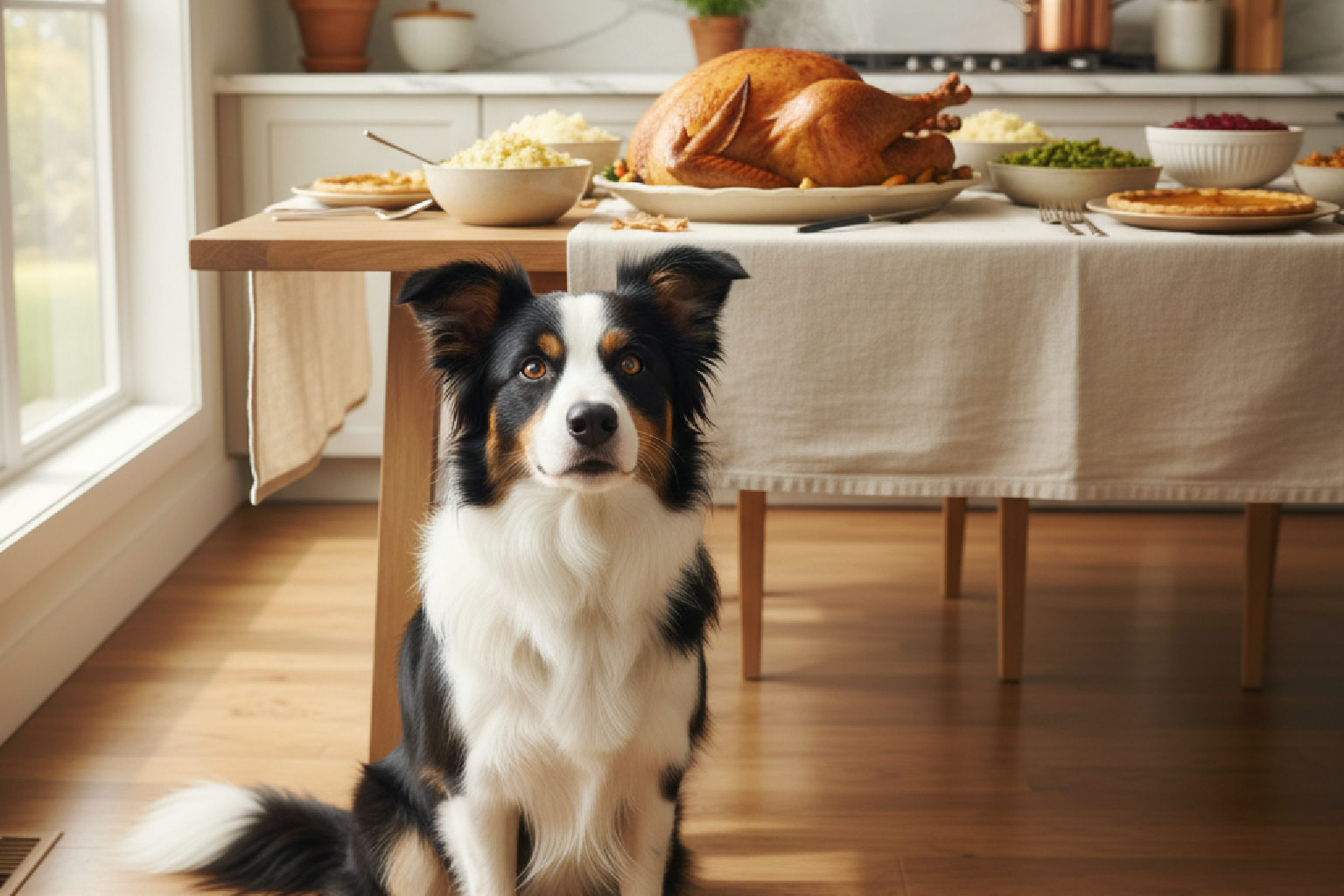
Thanksgiving dinner is the most dangerous meal of the year for dogs. The combination of cooked bones, fatty scraps, and toxic ingredients like onions and xylitol sends more pets to emergency clinics during this holiday than almost any other single event. If your dog got into something they shouldn't have, here's the short version: cooked turkey bones, gravy, fatty trimmings, and anything with onions, garlic, grapes, or xylitol are the real problems. Plain turkey meat in small amounts is usually fine.
Now let me walk through the specifics, because the difference between "watch at home" and "get to a vet now" depends on exactly what your dog ate and how much.
Why are cooked turkey bones so dangerous for dogs?
Cooked bones are the number one Thanksgiving emergency I see. Raw bones have some flexibility to them. Cooked bones, especially poultry bones, become brittle and splinter into sharp fragments when a dog chews them.
Those splinters can cause:
- Mouth and throat lacerations (usually obvious right away: drooling, pawing at mouth, blood)
- Esophageal perforation (vomiting, refusing food, signs of pain when swallowing)
- Intestinal obstruction or perforation (vomiting, lethargy, painful abdomen, bloody stool, often 12-72 hours after ingestion)
The tricky part is that dogs who swallow bone fragments often seem fine at first. The serious problems, like a punctured intestine, can take a day or two to show up. By then, it's a surgical emergency.
What to do if your dog ate turkey bones
If it just happened (within the last 30 minutes to an hour), do not induce vomiting. Sharp bone fragments coming back up can do as much damage as going down. Instead, some vets recommend feeding a small amount of bread or pumpkin to help cushion the fragments as they pass, but this is not a proven safeguard.
What matters most: watch your dog closely for the next 48-72 hours. If you see vomiting, lethargy, refusal to eat, bloody stool, or a painful belly, get them seen immediately. If they ate a large amount of bones (like getting into the carcass), I'd want to see them sooner rather than later, even without symptoms, so we can take X-rays and decide if intervention is needed.
What about turkey skin, gravy, and fatty scraps?
This is the second-biggest Thanksgiving problem: pancreatitis. The pancreas produces enzymes to digest fat. When a dog eats a sudden load of rich, fatty food (turkey skin, gravy, butter-soaked stuffing, ham drippings), those enzymes can essentially start digesting the pancreas itself.
Pancreatitis ranges from mild (some vomiting, stomach upset) to life-threatening (severe abdominal pain, shock, organ failure). I've written more about how this works in my post on pancreatitis in dogs and how fatty foods trigger it.
Signs usually appear 12-48 hours after the fatty meal:
- Vomiting (often multiple times)
- Diarrhea
- Loss of appetite
- Abdominal pain (hunched posture, reluctance to move, tender belly)
- Lethargy or weakness
Certain dogs are at higher risk: Miniature Schnauzers, Cocker Spaniels, Yorkshire Terriers, and any dog with a history of pancreatitis or a sensitive stomach. For these dogs, even a small amount of fatty food is risky.
Which Thanksgiving foods are toxic to dogs?
Beyond bones and fat, several common holiday ingredients are genuinely toxic:
Onions and garlic
Both contain compounds that damage red blood cells, causing a type of anemia called Heinz body anemia. Stuffing, gravy, and green bean casserole often contain significant amounts. The toxic dose for dogs is roughly 0.5% of body weight for onions, so a 20-pound dog eating about 1.5 ounces of onion is in the danger zone. Garlic is about five times more potent by weight. Signs (weakness, pale gums, dark urine) may not appear for 2-5 days.
Grapes and raisins
These can cause acute kidney failure in dogs, and there's no predictable safe dose. Some dogs eat a handful with no issue; others develop kidney failure from a few grapes. If your dog ate grapes or raisins from a fruit salad or dessert, that's a "get to a vet now" situation. Inducing vomiting within 2 hours of ingestion can be life-saving. I go into more detail in my post on grape and raisin toxicity in dogs.
Xylitol
This sugar substitute shows up in sugar-free desserts, some peanut butters, gum, and baked goods. In dogs, xylitol causes a massive insulin spike that drops blood sugar dangerously low within 10-60 minutes. Higher doses can cause liver failure. Even a small amount is an emergency. If you suspect xylitol ingestion, get your pet seen immediately or head to an emergency clinic. For more on xylitol dangers, see my post on xylitol poisoning in dogs.
Chocolate
Thanksgiving desserts often include chocolate, and the darker the chocolate, the more dangerous it is. A dog eating a few bites of milk chocolate pie may just have an upset stomach, but baker's chocolate or dark chocolate are genuinely toxic. The AKC's chocolate toxicity calculator can help you assess severity, but when in doubt, contact your vet.
Alcohol
Rum-soaked desserts, unattended cocktails, or unbaked bread dough (which ferments in the stomach) can all cause alcohol poisoning. Signs include vomiting, disorientation, difficulty breathing, and in severe cases, seizures or coma.
What Thanksgiving foods are actually safe for dogs?
Not everything on the table is off-limits. Safe options in small amounts:
- Plain turkey meat (no skin, no bones, no seasoning): white meat is leaner than dark
- Plain mashed potatoes (no butter, garlic, or sour cream)
- Plain sweet potatoes (no marshmallows, no brown sugar)
- Plain green beans (not from the casserole)
- Plain cooked carrots
- Small amounts of plain pumpkin (not pie filling, which contains sugar and spices)
The key word is plain. Most holiday dishes are prepared with butter, salt, onions, garlic, or sugar that make them inappropriate for dogs.
How to keep your dog safe during Thanksgiving
The best approach is prevention:
- Secure the trash: Dogs are remarkably good at getting into garbage cans full of turkey carcasses and scraps. Use a can with a locking lid or put the bag in the garage immediately.
- Brief your guests: Well-meaning relatives who slip your dog "just a little" can cause real problems. Make it clear that table scraps are off-limits.
- Keep your dog contained during cooking and cleanup: A baby gate or crate during the meal prevents counter-surfing and dumpster diving.
- Have emergency numbers ready: Know where your closest emergency vet is (since most regular clinics are closed on Thanksgiving), and save the ASPCA Poison Control number: (888) 426-4435 (there's a consultation fee, but they're available 24/7).
When to get your dog to the vet
Not every dietary indiscretion is an emergency, but some are. Here's how I think about triage:
Watch at home (but monitor closely for 24-48 hours):
- A small amount of plain turkey meat
- A few bites of fatty food (mild upset stomach expected)
- A tiny amount of a mildly toxic food
Call your vet or poison control:
- Moderate amounts of fatty food, especially in a dog prone to pancreatitis
- Onion or garlic ingestion (we may recommend monitoring or bloodwork depending on amount)
- Chocolate (depends on type and amount; have the packaging ready)
Emergency, get to a vet now:
- Large amounts of cooked bones, or any symptoms after eating bones
- Any amount of grapes, raisins, or xylitol
- Signs of obstruction: repeated vomiting, inability to keep water down, painful belly, lethargy
- Signs of severe pancreatitis: frequent vomiting, hunched posture, refusal to move
- Signs of alcohol poisoning: disorientation, difficulty walking, labored breathing
The emergency vet visit you're trying to avoid isn't just stressful, it's expensive. A straightforward pancreatitis hospitalization runs $800-$1,500. Intestinal surgery for a bone obstruction can easily exceed $3,000-$5,000. Prevention is the better investment.
If you're worried, don't wait
Thanksgiving should be about enjoying time with family, not spending it in an emergency waiting room. If you have questions about what your dog ate, or if your dog is showing any signs of distress after getting into something they shouldn't have, schedule a visit at Hearthstone Animal Clinic or reach us at (281) 859-9244. We're here for Cypress pet owners, and we'd rather see your dog early when intervention is easier than late when surgery is the only option.
Have a question about your pet?
Dr. Pelton and the Hearthstone team are here to help, the same day when it counts.
Get Your Pet Seen