
Feline Hepatic Lipidosis: Why a Cat That Stops Eating Can Die
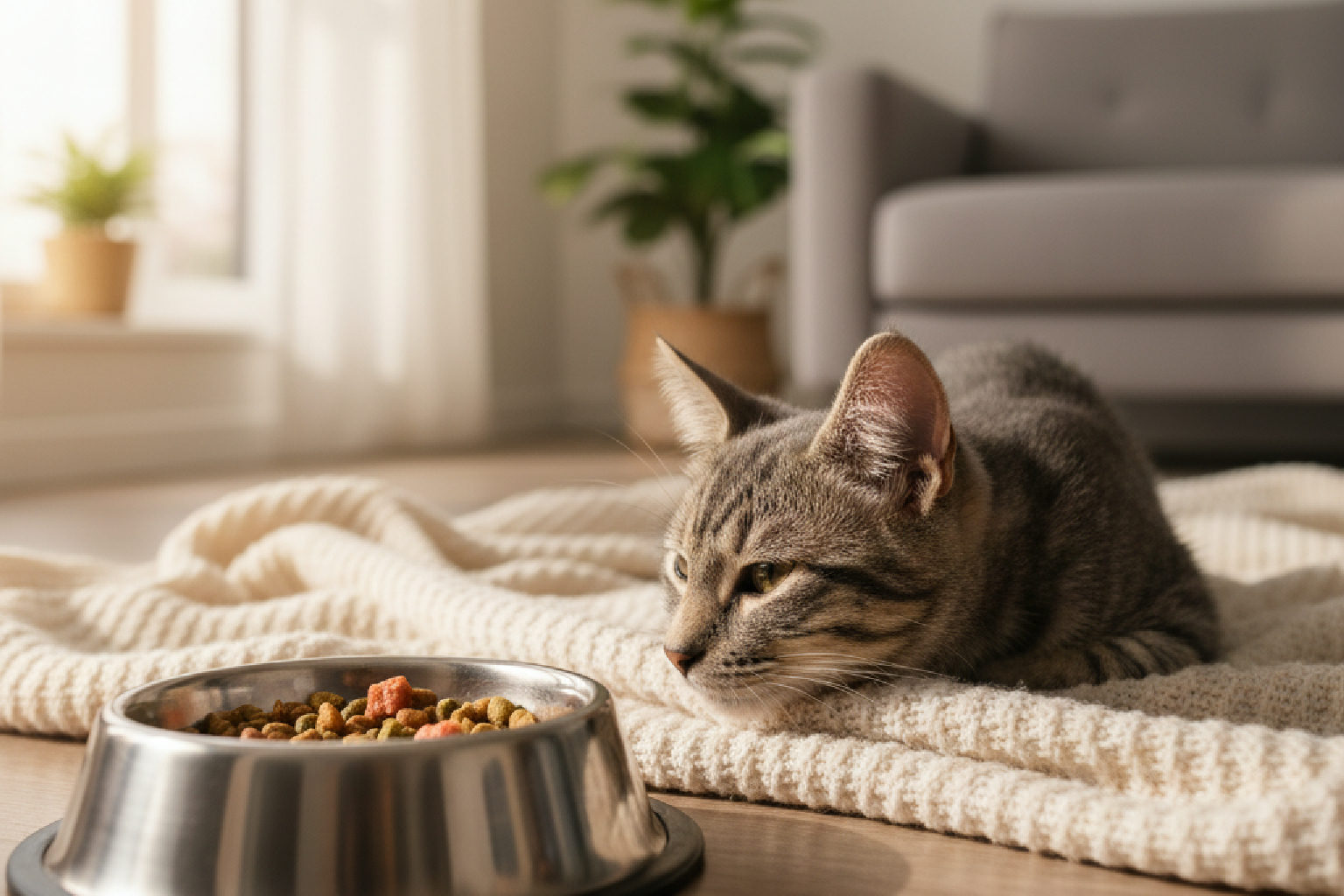
If your cat has stopped eating for more than two or three days, you're dealing with a potential emergency. Cats are uniquely vulnerable to a condition called hepatic lipidosis, sometimes called fatty liver disease, where the liver becomes so overwhelmed with fat that it begins to fail. This is the most common cause of severe liver disease in cats, and without treatment, it's usually fatal. The good news: caught early and treated aggressively, most cats survive.
I see this condition regularly in my Cypress practice, and it almost always follows the same pattern. A cat stops eating (for any reason), the owner waits to see if the cat will "snap out of it," and by the time the cat arrives at my exam table, the liver is already in serious trouble. Understanding why this happens and how quickly it can progress is the key to saving your cat's life.
Why do cats get fatty liver disease when they stop eating?
Cats are obligate carnivores with a metabolism designed to run on frequent, protein-rich meals. When a cat stops eating, its body does what any mammal's would: it starts breaking down stored fat for energy. The problem is that cats' livers are not equipped to handle a sudden flood of fat.
In dogs and humans, the liver can process mobilized fat reasonably well. In cats, the liver lacks certain enzymes and metabolic pathways that other species have. When fat arrives at the liver faster than it can be processed and exported, it accumulates inside the liver cells. Those fat-filled cells stop functioning normally, and the liver begins to fail.
This process can begin within three to four days of a cat not eating, and it accelerates rapidly. Overweight cats are at significantly higher risk because they have more fat to mobilize, but any cat that stops eating is at risk.
Common triggers that cause cats to stop eating
Hepatic lipidosis is almost always a secondary problem. Something else made the cat stop eating first. Common triggers include:
- Stress: A new pet, a move, construction, houseguests, or changes in routine
- Illness: Pancreatitis, kidney disease, inflammatory bowel disease, infections, or any condition causing nausea or pain
- Dental pain: Tooth resorption, stomatitis, or severe gingivitis
- Diet changes: An abrupt switch to a new food the cat refuses
- Accidental confinement: Getting trapped in a closet, garage, or shed
The frustrating part is that once hepatic lipidosis develops, it creates a vicious cycle. A sick liver makes the cat feel nauseated, which makes the cat less willing to eat, which makes the liver worse.
What are the signs of hepatic lipidosis in cats?
Early signs are often vague, which is why this disease catches owners off guard. The most important early warning sign is simply that your cat is not eating. If your cat has eaten little or nothing for more than 48 hours, that alone warrants a visit.
As the liver begins to fail, you may notice:
- Lethargy and weakness: Your cat may sleep more, move slowly, or seem "off"
- Weight loss: Often dramatic, especially in cats that were overweight
- Vomiting or drooling: From nausea and liver dysfunction
- Yellowing of the skin, gums, or eyes (jaundice): This is a late sign that indicates significant liver failure
- Hiding: Sick cats instinctively seek isolation
By the time a cat shows jaundice, the disease is advanced. That doesn't mean it's hopeless, but treatment becomes more intensive and recovery takes longer.
How is hepatic lipidosis diagnosed?
When a cat comes in not eating, I start with a thorough physical exam looking for any obvious cause: dental disease, fever, abdominal pain, a mass, or other clues. Blood work is essential. A chemistry panel typically shows elevated liver enzymes (ALT, AST, ALP) and often elevated bilirubin (the pigment that causes jaundice).
An abdominal ultrasound helps confirm the diagnosis. A fatty liver looks distinctly bright on ultrasound, and the imaging also lets me check for other problems: pancreatitis, intestinal disease, or masses that might have triggered the anorexia in the first place.
Sometimes I recommend a liver aspirate or biopsy to definitively diagnose hepatic lipidosis and rule out other liver diseases. This involves collecting a small sample of liver cells to examine under the microscope. In hepatic lipidosis, the cells are packed with fat vacuoles.
How is fatty liver disease treated in cats?
The treatment for hepatic lipidosis comes down to one thing: getting calories into the cat. The liver cannot heal unless the cat is receiving adequate nutrition. This stops the fat mobilization and allows the liver cells to gradually recover.
Here's the challenge: cats with hepatic lipidosis are nauseated and refuse to eat voluntarily. Syringe feeding is usually inadequate because you simply cannot get enough calories into a nauseated cat that way, and the stress of force feeding can make things worse.
Feeding tubes save lives
Most cats with hepatic lipidosis need a feeding tube. This sounds drastic, but it's genuinely the most effective and humane treatment. The tube allows us to deliver complete nutrition without the cat having to want to eat. Common options include:
- Esophagostomy tube (E-tube): Placed through the side of the neck into the esophagus. This is my preferred option for most cats. It's placed under anesthesia, but the procedure is quick, and it allows for long-term feeding at home.
- Nasogastric tube (NG tube): A smaller tube placed through the nose into the stomach, used for short-term stabilization when the cat is too sick for anesthesia.
With an E-tube, owners learn to feed their cat a liquid diet several times a day at home. It takes about five minutes per feeding, and most cats tolerate it remarkably well. The tube stays in place for weeks to months until the cat is eating independently again.
Supportive care and hospitalization
Most cats with hepatic lipidosis need initial hospitalization for:
- IV fluids: To correct dehydration and support the liver
- Anti-nausea medications: Cerenia (maropitant) and other anti-emetics help the cat feel less nauseated
- Liver support supplements: SAMe (S-adenosylmethionine) and vitamin E help protect liver cells
- Treatment of the underlying cause: If pancreatitis, infection, or another condition triggered the anorexia, that needs to be addressed too
The first few days of treatment are critical. If the cat responds to nutritional support, the prognosis improves dramatically.
What is the survival rate for hepatic lipidosis?
This is where I can offer genuine hope. According to the Merck Veterinary Manual, with aggressive nutritional support, the survival rate for feline hepatic lipidosis is 80 to 90 percent. That's remarkably good for a disease that's almost always fatal without treatment.
Recovery takes time. Most cats need four to eight weeks of feeding tube support before they're eating well enough on their own to have the tube removed. Some recover faster, some slower. The key is patience and consistent feeding.
Cats that don't survive usually have either a severe underlying disease that cannot be controlled or arrive too late with irreversible liver damage. Early intervention makes all the difference.
How can I prevent hepatic lipidosis in my cat?
Prevention comes down to three things:
1. Never let your cat go without eating for more than 48 hours. If your cat refuses food for two days, that's a veterinary visit, not a "wait and see" situation. This is especially true for overweight cats.
2. Make diet changes gradually. If you need to switch foods, do it over seven to ten days by mixing increasing amounts of the new food with the old. Cats can be stubborn, and some will starve themselves rather than eat an unfamiliar food.
3. Keep your cat at a healthy weight. Overweight cats are at much higher risk because they have more fat to mobilize when they stop eating. Work with your vet on a safe, gradual weight loss plan if your cat needs to slim down. Crash diets are dangerous.
When should I get my cat seen?
This is one condition where the triage is straightforward:
- Not eating for 24 hours: Worth monitoring closely, especially if your cat seems otherwise normal
- Not eating for 48 hours: Schedule an appointment. Something is wrong, and early intervention prevents hepatic lipidosis from developing
- Not eating for 72+ hours, especially with lethargy or vomiting: This is urgent. The liver is likely already affected
- Any yellowing of the gums, skin, or eyes: Get your cat seen the same day or seek emergency care. Jaundice means significant liver failure is already underway
If your cat is overweight and stops eating, move faster. The timeline to hepatic lipidosis is shorter in cats with more body fat.
The bottom line on feline fatty liver disease
Hepatic lipidosis is serious, but it's not a death sentence when caught early. The cats I lose to this disease are almost always the ones whose owners waited too long, hoping the cat would start eating again on its own. The cats that survive are the ones whose owners recognized that a cat not eating is never normal and got them in quickly.
If your cat has stopped eating, don't wait. Schedule a visit at Hearthstone Animal Clinic or call us at (281) 859-9244. Here in Cypress, TX, we see hepatic lipidosis regularly, and we have the tools to diagnose it quickly and start treatment the same day. Early action is everything with this disease.
Have a question about your pet?
Dr. Pelton and the Hearthstone team are here to help, the same day when it counts.
Get Your Pet Seen